
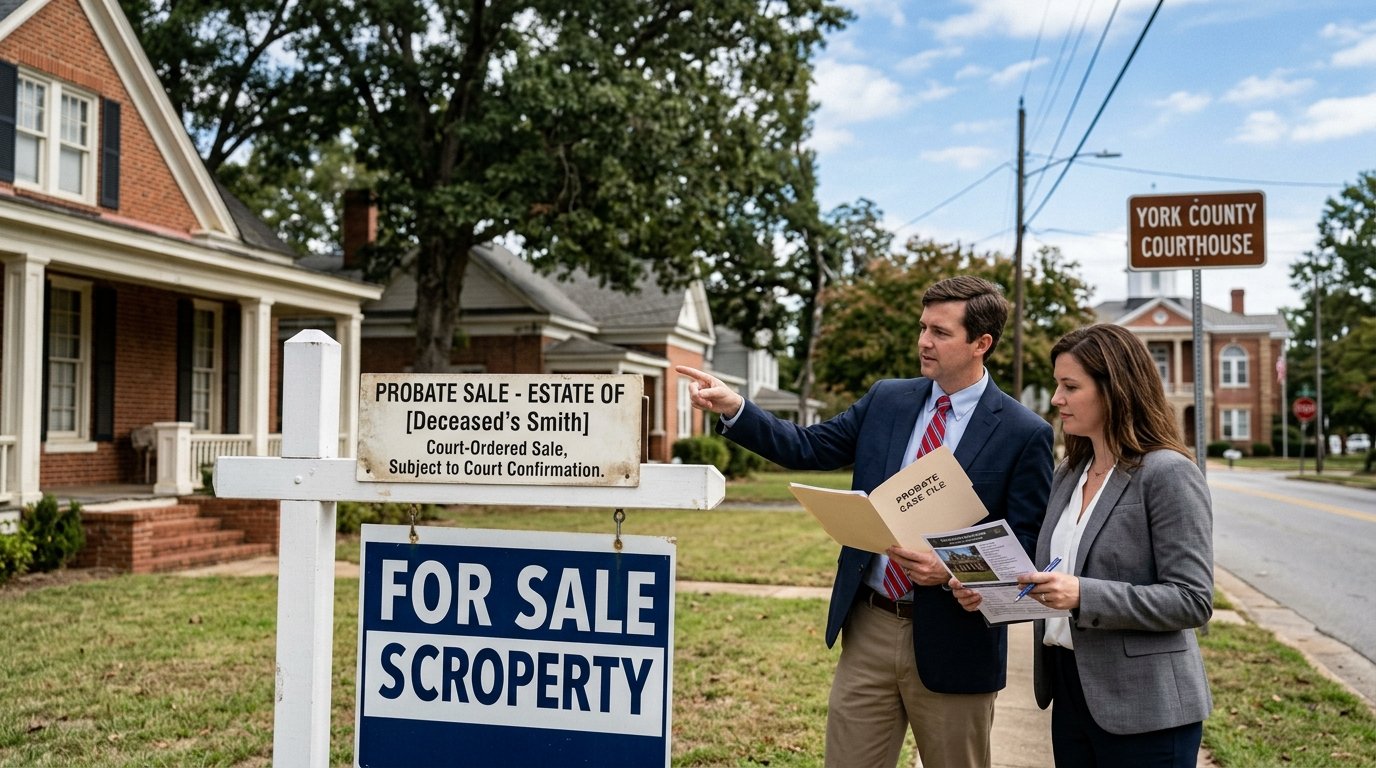
When a property owner passes away in York, South Carolina, their family often faces a challenging mix of grief and administrative responsibility. In the heart of York County, local conditions, small-town values, and strong community ties mean that probate and real estate transactions often have deep personal meaning. As many families own land and homes that have been passed down through generations, understanding how probate works can help preserve legacies and minimize conflict. If you are navigating the loss of a loved one, reaching out to a trusted real estate law attorney in York, SC, might be your first step toward peace of mind and the protection of your family’s assets. In York, it is important to remember that every estate is unique, with local laws, county requirements, and even neighborhood customs often coming into play. From farms on the outskirts to historic homes near downtown, each property brings its own considerations. Navigating probate in York involves more than paperwork. It involves working within the framework established by the York County Probate Court, honoring the deceased’s wishes, and ensuring that assets are distributed fairly and in accordance with South Carolina law. For community members, the probate process can seem intimidating. However, with timely action, the right guidance, and a clear understanding of the steps involved, families in York can move forward confidently. Whether you are an executor, heir, or property manager, keeping an eye on details such as property taxes, insurance, and legal timelines is essential to a smooth transition. If the estate is large or involves complex issues, enlisting a professional can help avoid common pitfalls. When facing more technical or contentious issues, such as will disputes or out-of-state heirs, partnering with a skilled probate attorney ensures that the process remains fair and legally sound for everyone involved.
Understanding Probate in York, SC
Probate is the court-supervised process of settling a deceased person’s estate, ensuring that debts are paid and remaining assets go to the proper heirs. In York, South Carolina, probate matters are handled by the York County Probate Court, located at 1675 York Highway. The process generally applies to real estate owned solely by the deceased, so any home, farm, or land not held jointly or in a trust will likely pass through the court process. This structure aims to protect heirs and ensure a fair and orderly transfer of assets, especially important in close-knit communities. The York County Probate Court offers helpful resources and oversees the administration from start to finish. The critical initial steps must be handled locally, and the court’s familiarity with York’s community and assets makes it well-suited to resolve estate matters in accordance with both state law and local norms.
Initial Steps in Probate
The process begins after the property owner’s death. The first formal step is filing the original will (if available) and a certified copy of the death certificate with the Probate Court. If no will exists, the estate proceeds as “intestate,” meaning inheritance follows state guidelines rather than the wishes of the deceased. The court then appoints a personal representative, sometimes called an executor or administrator. This person serves as the estate’s official manager, responsible for settling debts, fulfilling legal requirements, and ultimately distributing property to the estate’s legal heirs. Timely notification of creditors, adherence to probate deadlines, and transparent communication with heirs are all part of these early responsibilities. Delays or mishandled steps can lead to additional court oversight, which is why professional legal guidance is commonly recommended in York and beyond.
Role of the Personal Representative
The personal representative has several core duties. Locally, this means understanding and cataloging every asset belonging to the estate, including all real estate, whether it is a modern subdivision home or a century-old farmstead. They must also notify all known creditors, settle estate debts, handle utility bills, and ensure the property remains secure. Managing insurance and property taxes during probate is a particular concern in York, where weather and seasonal events can rapidly affect property conditions. The personal representative must also eventually distribute assets to heirs and file required documents with the Probate Court. This role is critical for keeping the estate on track and ensuring family property stays in good condition during probate.
Handling Real Estate Assets
Real estate in York often represents more than dollars and cents. For many families, homes and land embody family history and tradition. The personal representative is charged with maintaining these assets, including securing vacant property, arranging for ongoing maintenance, and paying property taxes and insurance premiums from estate funds. If the estate lacks sufficient liquid assets to pay debts, or if heirs agree the property should be sold, the representative may need to initiate a sale, but must follow South Carolina’s probate requirements. The representative will also need to value the real estate, often through a professional home appraisal, to establish a fair market value for the court and heirs. This step is important for equitable distribution and to avoid disputes down the road.
Selling Real Estate During Probate
Selling property during probate is common in York when an estate needs to settle debts, fund distributions, or split an insoluble asset among several heirs. If the deceased’s will specifically empowers the representative to sell, the process is more straightforward. If not, court approval is required. The representative must petition the York County Probate Court for approval of the sale. After approval, the property can be marketed and sold, but proceeds must be used to pay estate obligations before distributions are made to heirs. The entire process emphasizes fairness and transparency to protect the rights of all stakeholders involved, particularly important in a community where many families are both neighbors and heirs. South Carolina probate law sets clear timelines and procedures to ensure these sales proceed smoothly.
Distribution of Property to Heirs
Once all outstanding debts, taxes, and any property sales have been settled, the remaining assets are distributed to heirs. If there is a valid will, its instructions are followed. Otherwise, South Carolina’s intestacy laws determine the order of inheritance; spouses and children generally come first, followed by other family members. In a community with deep roots like York, having clarity about these rules can prevent misunderstandings and preserve family harmony.
Avoiding Probate Through Estate Planning
While the probate process can be manageable, many York residents seek ways to bypass it entirely for real estate. The most effective strategies include placing property in a revocable living trust, using transfer-on-death deeds, or holding property in joint ownership with rights of survivorship. Any of these choices can save time, reduce court involvement, and provide heirs with prompt access to family property. Proactive planning is especially valuable in York, where property often represents both financial security and a connection to local heritage.
Conclusion
Administering real estate during probate in York, South Carolina, blends legal process with local values and family needs. By understanding the steps, roles, and options available, heirs and executors can honor both the letter of the law and the spirit of community. Whether your family home is a newly built property or a rural farmhouse, careful estate planning and the guidance of experienced professionals can make the difference between a stressful experience and a smooth transition for the next generation.