
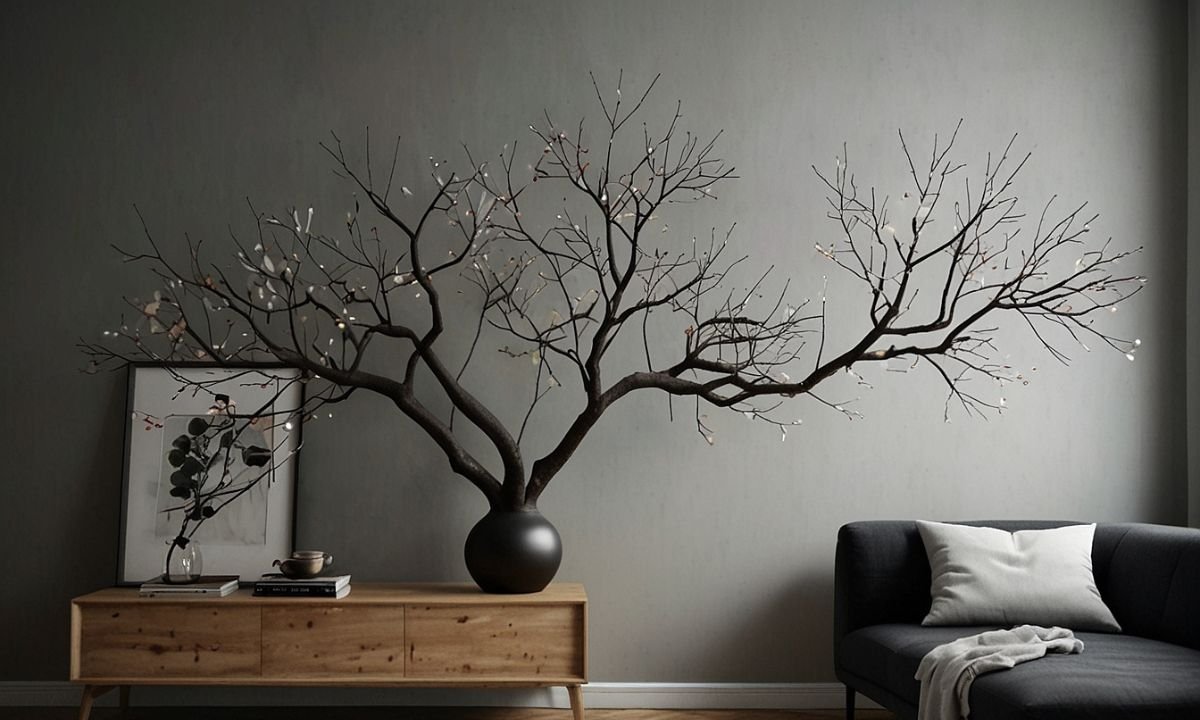
Imagine walking into your living room after a long day and feeling an instant sense of calm wash over you. No elaborate renovations or expensive furniture required. Just a few thoughtfully placed natural elements that whisper peace and connection to the outdoors. If your home feels a bit sterile or disconnected from nature, you are not alone. Many homeowners today crave that effortless serenity found in Scandinavian interiors. Enter pyntekvister, the simple yet transformative art of using decorative branches and twigs to style your space.
This guide explains exactly what pyntekvister is, why it has captured the hearts of interior enthusiasts worldwide, and how you can incorporate it into your own home. Whether you live in a cozy apartment or a spacious house, these sustainable, minimalist touches deliver biophilic decor magic on a budget. You will learn practical styling ideas, beginner-friendly DIY techniques, and seasonal inspiration drawn from authentic Scandinavian traditions. Ready to bring nature indoors and create your own hygge lifestyle? Let us dive in.
What Is Pyntekvister? The Scandinavian Tradition Explained
Pyntekvister is a Norwegian term that translates to “decorative branches” or “ornamental twigs.” At its core, it involves gathering natural twigs, branches, or dried botanicals and displaying them creatively in vases, on walls, or as centerpieces. Unlike fussy floral arrangements, pyntekvister celebrates raw, organic forms with their unique curves, textures, and subtle colors.
This approach aligns perfectly with Scandinavian interior design principles of simplicity, functionality, and harmony with nature. Think minimalist home styling where every element serves a purpose and evokes calm. You might use bare birch twigs in winter for sculptural height or flowering cherry branches in spring to signal renewal. The beauty lies in its versatility: fresh branches that you force to bloom indoors, dried botanical art that lasts for months, or even lightly painted accents for a modern twist.
In essence, pyntekvister is more than decoration. It is a mindful practice of sustainable crafting that invites the outdoors inside, fostering a deeper connection to the seasons and the natural world around us.
The Rich History and Cultural Significance of Pyntekvister
The roots of pyntekvister stretch back centuries in Scandinavian culture, particularly in Norway and Sweden. Long, dark winters made it essential to bring natural elements indoors to combat the gloom and celebrate the promise of spring. Families would collect branches from birch, willow, or cherry trees, place them in water, and watch them bud naturally, a process known as “forcing branches.”
This tradition ties closely to friluftsliv, the Nordic philosophy of open-air living and appreciation for nature. Branches carried symbolic meanings too: birch represented new beginnings, willow symbolized flexibility and growth, and evergreens stood for enduring strength. During holidays, such as Easter (where the Swedish påskris tradition uses decorated twigs), these displays added warmth and hope.
Over time, pyntekvister evolved from practical folk art into a cornerstone of modern hygge lifestyle. Today, it appears in homes across Europe and beyond as part of biophilic decor trends. Designers and DIY crafters alike embrace it for its timeless appeal, proving that artisanal handcrafts need not be complicated to feel deeply personal and meaningful.
Why Pyntekvister Matters: Aesthetic, Psychological, and Sustainable Benefits
Why has pyntekvister become such a beloved trend in minimalist home styling? The reasons go far beyond looks. Aesthetically, these natural wood accents add organic texture, height, and visual interest without overwhelming a space. A single tall branch in a corner vase can transform a plain wall into a focal point, creating depth and movement that synthetic decor rarely achieves.
Psychologically, the benefits are even more compelling. Biophilic decor research shows that incorporating natural elements reduces stress, lowers blood pressure, and improves mood and focus. In our screen-filled lives, pyntekvister offers a gentle reminder of the outdoors, promoting relaxation and a sense of well-being. It perfectly embodies the hygge lifestyle by encouraging cozy, intentional living.
Sustainability seals the deal. Unlike cut flowers that wilt in days, dried twigs or responsibly foraged branches last for months or even years. This eco-friendly approach minimizes waste, supports local ecosystems when done right, and fits budget-friendly refresh strategies. You spend little yet gain so much in beauty and calm. For homeowners seeking natural, low-maintenance upgrades, pyntekvister delivers high impact with zero guilt.
Best Branches for Pyntekvister Decor and How to Source Them
Choosing the right materials makes all the difference in pyntekvister success. Here are top recommendations:
- Birch: Light, elegant bark and flexible form suit minimalist spaces year-round.
- Willow: Graceful curves and flexibility ideal for weaving or dramatic arrangements.
- Hazel or contorted hazel: Sculptural twists create architectural interest.
- Cherry or apple: Perfect for forcing blooms in spring, adding delicate flowers.
- Eucalyptus or olive: Aromatic foliage for year-round fragrance and texture.
- Dried options: Seed pods, lunaria (honesty plant), or pampas grass for long-lasting botanical art.
Forage responsibly from your garden, local parks (with permission), or after storms. Look for fallen or pruned branches to avoid harming trees. Clean them gently, trim ends at a 45-degree angle, and condition in water for 12 to 24 hours if forcing blooms. Commercial florists or online sustainable suppliers offer pre-treated, pest-free options too. Always prioritize ethical sourcing to keep this craft truly eco-friendly.
How to Style Pyntekvister in Your Home (Including Small Spaces)
Styling pyntekvister is delightfully straightforward and adaptable to any room. Start simple: select a neutral vase (glass, ceramic, or woven basket) that complements your existing decor. Aim for branches 1.5 to 2 times the vase height for balanced proportions. Use odd numbers of stems for natural flow, and layer varying heights and textures.
In larger spaces, create dramatic floor vases in living room corners or entryways for instant height and welcome. Dining tables benefit from low, sculptural centerpieces that encourage conversation without blocking views.
For how to style pyntekvister in small spaces, think vertical and intentional. A slim vase on a narrow console table or windowsill works wonders in apartments. Tuck a few twigs behind a mirror or bookshelf to add depth without taking floor space. Bedroom nightstands gain calm with one soft branch arrangement, while kitchens love aromatic eucalyptus in a terracotta pot near the sink.
Pro tip: Position near natural light to highlight shadows and shapes. Rotate arrangements monthly to keep things fresh and tied to the seasons.
Eco-Friendly Pyntekvister DIY Guide: Weaving Techniques for Beginners
One of the joys of pyntekvister lies in creating your own pieces through eco-friendly pyntekvister DIY projects. No fancy tools needed, just basic supplies like twine, scissors, and wire.
Pyntekvister weaving techniques for beginners start with simple projects:
- Gather 5 to 7 flexible twigs (willow works best).
- Lay them parallel and tie one end securely with twine.
- Weave additional thinner twigs or dried botanicals in and out, creating a loose wreath or wall hanging.
- Secure with more twine or hot glue for stability.
- Hang or display as art, adding photos, lights, or seasonal accents.
For vase arrangements, follow this quick-start method: trim stems, condition in water, then arrange tallest branches first, filling in with shorter ones for depth. Experiment with painted twigs in metallic or neutral tones for a custom look. These projects cost almost nothing yet yield unique, personal decor that reflects your creativity and commitment to sustainable crafting.
Seasonal Pyntekvister Ideas for Modern Homes
Seasonal pyntekvister ideas keep your home feeling alive and connected to nature:
- Spring: Force cherry or forsythia branches for soft blooms. Pair with pastel ribbons for Easter or fresh starts.
- Summer: Lush green foliage like eucalyptus or olive brings outdoor freshness indoors. Add seashells for coastal vibes.
- Autumn: Contorted hazel with dried leaves or seed pods creates warm, harvest tones. Layer with pinecones for cozy depth.
- Winter: Bare birch or evergreen twigs with fairy lights evoke hygge warmth during dark months.
These rotations ensure your decor evolves naturally, maintaining that fresh, intentional feel year after year.
Pyntekvister vs. Traditional Floral Arrangements
Many wonder how pyntekvister compares to traditional floral arrangements. While flowers offer vibrant color bursts, they often last just a week and require frequent replacement. Pyntekvister provides longer-lasting beauty with less maintenance and waste. It emphasizes sculptural form over fleeting color, making it ideal for minimalist home styling.
The two can complement each other beautifully. Use pyntekvister as a structural base and add a few fresh blooms for seasonal pops. Overall, branches win for sustainability, cost-effectiveness, and that enduring Scandinavian elegance.
Common Mistakes to Avoid and Pro Tips for Success
Even simple crafts have pitfalls. Avoid overcrowding your vase (keep it sparse for impact), choosing mismatched vessel sizes, or ignoring balance. Never use green, sappy branches indoors without proper drying to prevent pests or mold.
Pro tips from seasoned crafters: always photograph your arrangements for easy recreation later. Refresh water regularly if using fresh stems. For longevity, preserve dried branches with glycerin. Most importantly, let your personal style shine. Pyntekvister rewards experimentation and imperfection.
Ready to Embrace Pyntekvister in Your Home?
Pyntekvister offers an accessible gateway to Scandinavian interior design, biophilic decor, and the hygge lifestyle without complicated rules or high costs. By incorporating natural wood accents and artisanal handcrafts, you create spaces that feel warm, welcoming, and deeply restorative.
Start small this weekend: forage a few branches on your next walk, trim them, and pop them in a favorite vase. Notice how the room shifts. Your home will thank you with calmer mornings and more joyful evenings. Share your creations in the comments or on social media. Happy styling!
Read Also: Embracing Warm Home Decor Ideas for 2026
 Decor Drip