
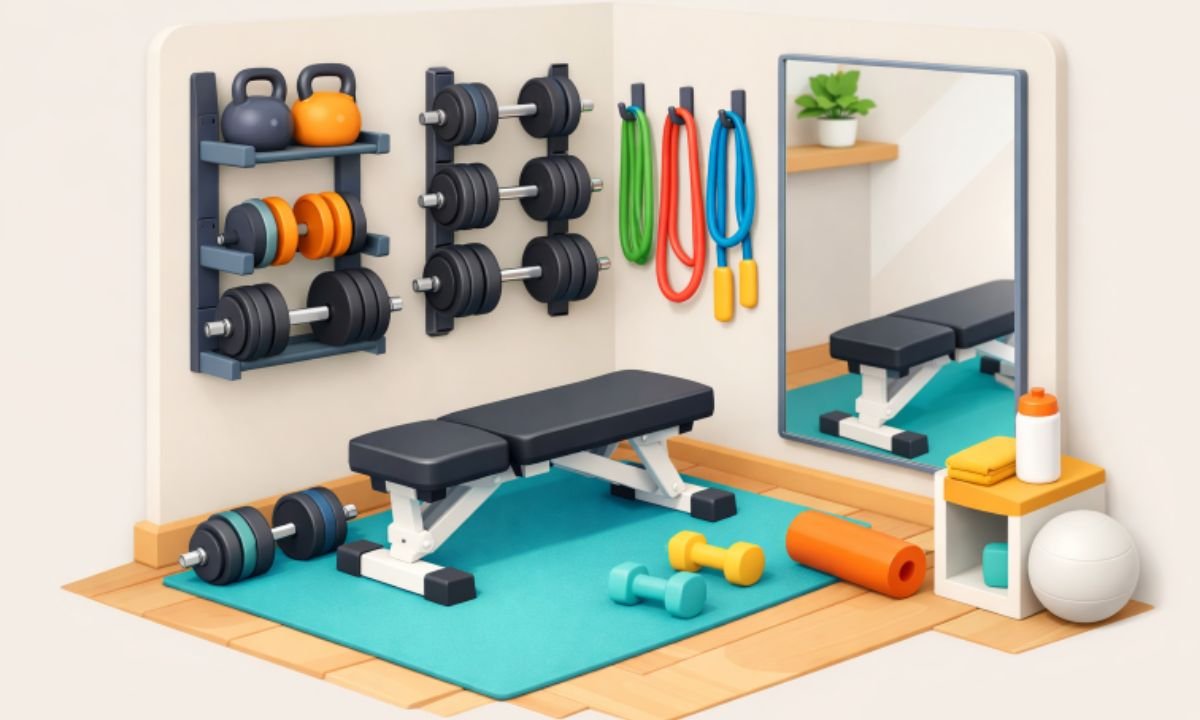
Setting up a home gym with limited space might seem daunting, but with the right solutions and luxury home gym equipment, anyone can transform even the smallest corner into an optimal workout zone. Whether you are looking to maintain fitness, save time, or have a dedicated space to exercise, careful planning ensures you do not need to sacrifice quality or convenience due to limited space. This guide will give you actionable steps and clever gear ideas to help you create a productive workout environment tailored for compact living.
Success in designing a small home gym is all about making smart choices, organizing, and being versatile. By combining innovative equipment options, efficient storage, and strategic layouts, you can achieve big results in even the tightest quarters. This approach works for apartment dwellers, home office owners, and anyone else working with spatial limitations. For many, a small designated workout area can provide all the motivation and capability needed to stay active and healthy right at home.
Maximizing Limited Space with Smart Equipment Choices
The first step in building a small area gym is evaluating your available space and focusing on equipment that delivers the most value. Adjustable dumbbells are a popular staple, offering multiple weight levels in a compact unit that effectively replaces a full rack of standard weights. In addition, foldable benches and wall-mounted racks can be set up when needed and stashed away when the floor needs to be clear. According to experts, prioritizing multi-use equipment, such as resistance bands, kettlebells, or suspension trainers, ensures you have dynamic workout options without cluttering your space. Minimalism is key: every item should serve multiple purposes, and every square foot should be planned for efficiency.
Furthermore, walls, doors, and even ceilings can become valuable real estate for mounting equipment. Doorframe pull-up bars, wall hooks for hanging bands or mats, and stackable blocks for yoga or strength training all help you make the most of unused vertical space. The less clutter on the floor, the more inviting and accessible your exercise area becomes. Proper organization also reduces the risk of tripping or injuring yourself during workouts.
Designing a Functional Layout
The effectiveness of a compact gym depends not just on equipment choice but on layout. Keep your largest and heaviest items, such as benches or racks, flush against walls to open the center of the room for fluid workouts. Place storage units or shelving in corners to store weights, bands, and accessories vertically and out of the way. Mirrors can be a great addition, helping to open up the visual space and assist with form monitoring. A clean, uncluttered layout improves the flow, making workouts more enjoyable and motivating you to use the space regularly.
Incorporating Bodyweight Exercises
Bodyweight workouts are a natural fit for small home gyms. Exercises like push-ups, planks, lunges, and squats do not require extra gear but support a complete routine for strength, mobility, and endurance. Rotating between bodyweight moves and compact equipment gives a versatile full-body workout while keeping your area free of excessive apparatus. With creative programming, you can challenge even the most advanced fitness levels using nothing but your own body and gravity. For more guidance on effective bodyweight routines, check out Healthline’s bodyweight workout guide.
Noise Reduction Considerations
Noise is an important consideration, especially for those living in apartments or shared housing. Quality rubber mats or foam flooring tiles protect both your equipment and your floors while dampening sound. They also provide a stable, slip-resistant surface, improving safety. When choosing gym gear, favor items that are engineered for quiet operation, such as resistance bands, magnetic resistance bikes, and manual treadmills. These solutions make it possible to keep early-morning, late-night, or midday workouts as discreet as possible, ensuring harmony with housemates or neighbors.
Real-Life Example: Transforming a Small Apartment Corner
Sometimes the best inspiration comes from real experiences. For instance, Alex managed to convert a tight 5-foot-by-6-and-a-half-foot bedroom corner into an efficient, full-spectrum gym. He incorporated only the most essential gear, namely adjustable dumbbells, a foldable bench, and a doorframe pull-up bar. Clever use of vertical storage kept items organized, while noise-dampening mats kept his living space peaceful for both himself and his neighbors. Alex’s setup shows that by selecting foldable, multi-use equipment, you can access a variety of exercises without crowding your living space.
Conclusion
Building a home gym in a compact area is surprisingly achievable with thoughtful planning, the right mix of equipment, and creative storage solutions. By focusing on functional, space-saving gear, designing an efficient layout, prioritizing bodyweight exercises, and reducing noise, you can create an inviting fitness sanctuary that integrates seamlessly into your daily living environment. With the strategies outlined above, anyone can enjoy the convenience, privacy, and results of a custom home gym without extra square footage.
 Decor Drip