
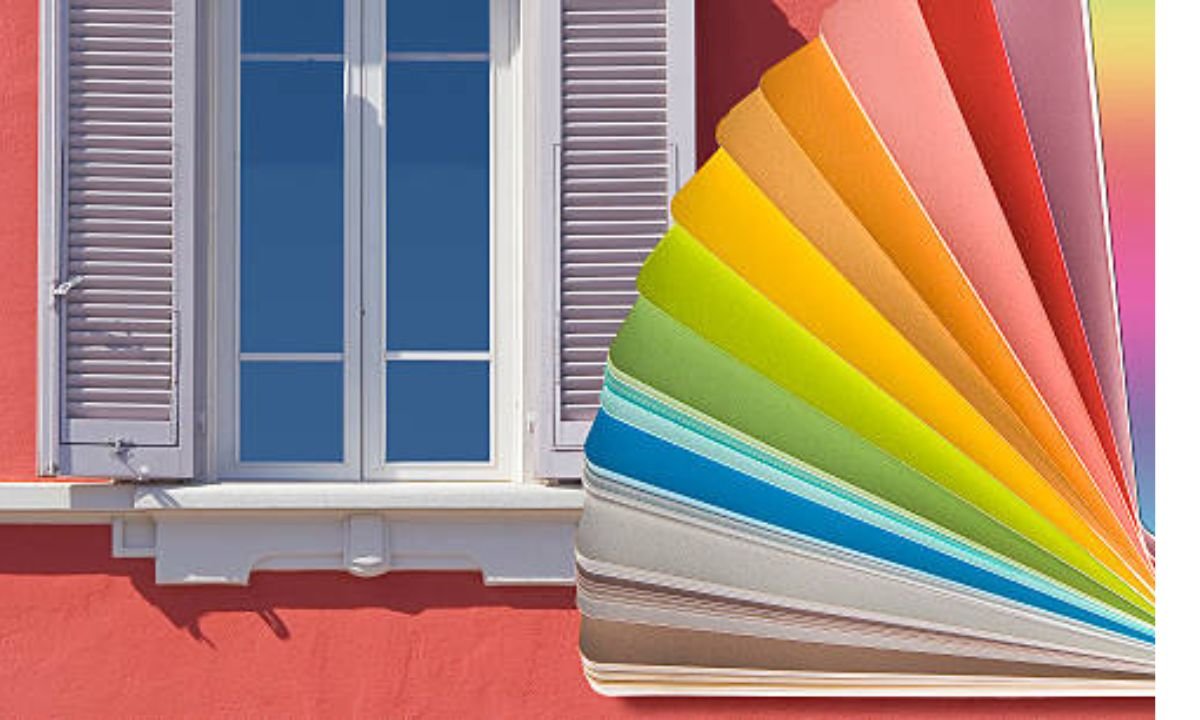
Have you ever driven through a neighborhood and noticed that one house from a few years back? The one painted in a color that was clearly hot at the time but now looks oddly dated? Maybe a chocolate brown, a moody teal, a daring orange. The owners loved it on day one. They probably still love the house. But the color is doing a particular kind of work now, marking the year the paint went up rather than simply being a beautiful exterior.
Picking an exterior paint color is a long-term decision dressed up like a quick one. A fresh coat of paint can change everything about how your house looks from the curb, and a great choice will look just as good in eight years as it does on the day the painters pack up. A poor choice will start aging the moment it dries. The trick is understanding what makes some colors age gracefully and others date themselves in record time.
Working with the best exterior painters in Toronto is one of the most important parts of getting this right, and not just for execution. A good crew will steer you away from colors they have seen go wrong, suggest combinations that have aged well on homes like yours, and explain how Toronto’s specific climate is going to interact with whatever you choose. The conversation with your painter is sometimes worth more than the painting itself.
The hidden cost of getting it wrong
Exterior painting is not cheap. Statistics Canada’s Residential Renovation Price Index showed a 0.9 percent national increase in the second quarter of 2025 following a 0.3 percent gain in the first quarter, with painting being one of the consistently rising cost categories. Repainting because the color did not age well is one of the more expensive ways to learn a lesson. Getting it right the first time saves thousands of dollars and a great deal of disruption.
Why some colors age better than others
Two forces drive whether an exterior color stands the test of time: physical fading and aesthetic dating. They are different things, and a great choice has to handle both.
Physical fading is what happens when UV exposure, temperature swings, and moisture break down paint pigments over time. Some colors are inherently more prone to this than others. Reds, deep blues, and bright yellows fade faster because their pigments are less UV-stable. Whites, beiges, grays, and earth tones hold their color significantly longer because the pigments are more stable.
Aesthetic dating is what happens when a color stops looking current. Trendy colors date quickly because they were tied to a moment. Neutral and architectural colors age more slowly because they were never trendy in the first place.
The best choices manage both forces at once. They use pigments that physically hold up, and they sit in a color zone that does not anchor itself to a particular year.
Colors that tend to age well
A few categories that consistently look good five and ten years on:
- Warm whites and creams. Off-whites, soft warm whites, and creams have been used on homes for centuries. They flatter most architectural styles, work in any climate, and physically hold up well to UV. The risk is going too stark; pure brilliant white can read sterile and shows dirt aggressively.
- Soft grays. Gray has had a long moment in residential exteriors, but unlike many trends, it has aged well because gray is fundamentally architectural. Warm grays with brown or tan undertones tend to age better than cool grays with blue undertones, which can start reading slightly outdated after a decade.
- Deep neutrals. Charcoal, dark gray, and very dark brown work beautifully on the right architecture and read sophisticated rather than trendy. The risk with dark colors is faster physical fading, so quality matters more here than with lighter colors.
- Muted earth tones. Sage greens, soft taupes, and warm beiges have a long track record on residential exteriors. They tie into the natural landscape and resist looking dated.
- Classic combinations. Even simple combinations like cream-with-black-trim, white-with-deep-green-shutters, or soft-gray-with-white-trim are timeless because they reference longstanding architectural traditions.
Colors that tend to date quickly
On the other side, a few categories tend to show their age:
Saturated brights. Vibrant reds, bright yellows, kelly greens, and electric blues on a large exterior surface usually peak quickly and decline. They are also the most prone to physical fading, so the color you started with becomes a faded version of itself within years.
Time-stamped trend colors. Every era has them. The mauves and dusty pinks of the late 80s. The hunter greens of the early 90s. The cool grays of the 2010s. The all-white-everything of the late 2010s. Whatever is hottest right now will probably read dated in fifteen years.
Unusual finishes. High-gloss exteriors, metallic finishes, and chalky matte exteriors all have their moments but tend to look of-a-time. Standard satin and low-sheen finishes age more invisibly.
Context matters more than trends
The right color for your house depends less on what is popular and more on what the house itself is asking for. A few things to consider:
- Architectural style. Victorians, Tudors, mid-century moderns, and contemporary builds each have color palettes that suit them. A color that looks great on a craftsman bungalow may look strange on a clean modern build.
- Neighborhood context. Walk your street. The strongest exteriors usually fit harmoniously with surrounding homes while still having their own identity. Standing out aggressively rarely ages as well as standing out subtly.
- Light orientation. South and west-facing walls take more sun and will fade faster. North and east-facing walls take less sun. A color that holds up on a north-facing wall may struggle on a south-facing wall over the same time period.
- Permanent features. Brick, stone, roof color, window frames, and other elements you are not changing will be on the house for the long haul. The paint needs to work with them, not against them.
Practical steps before committing
Get large samples and look at them on the actual house in different light conditions. Morning, afternoon, and evening light will all reveal different things about the same color.
Hold the sample next to your brick, your roof, your stone. Does it harmonize or fight?
Drive by houses in similar architectural styles to yours and note which colors look great and which look tired. Cross-reference what you are drawn to with what has aged well in real-world conditions.
The takeaway
An exterior paint color that ages well is rarely the one that is most exciting on day one. The colors that look amazing for fifteen years are usually a little more restrained, a little more architectural, and a little more rooted in tradition. That is not a constraint. It is the actual secret. Lean into the choices that quietly support your house’s architecture, work with your existing materials, and use pigments that physically hold their value. The result is a house that looks just as good in 2040 as it does today.
 Decor Drip