
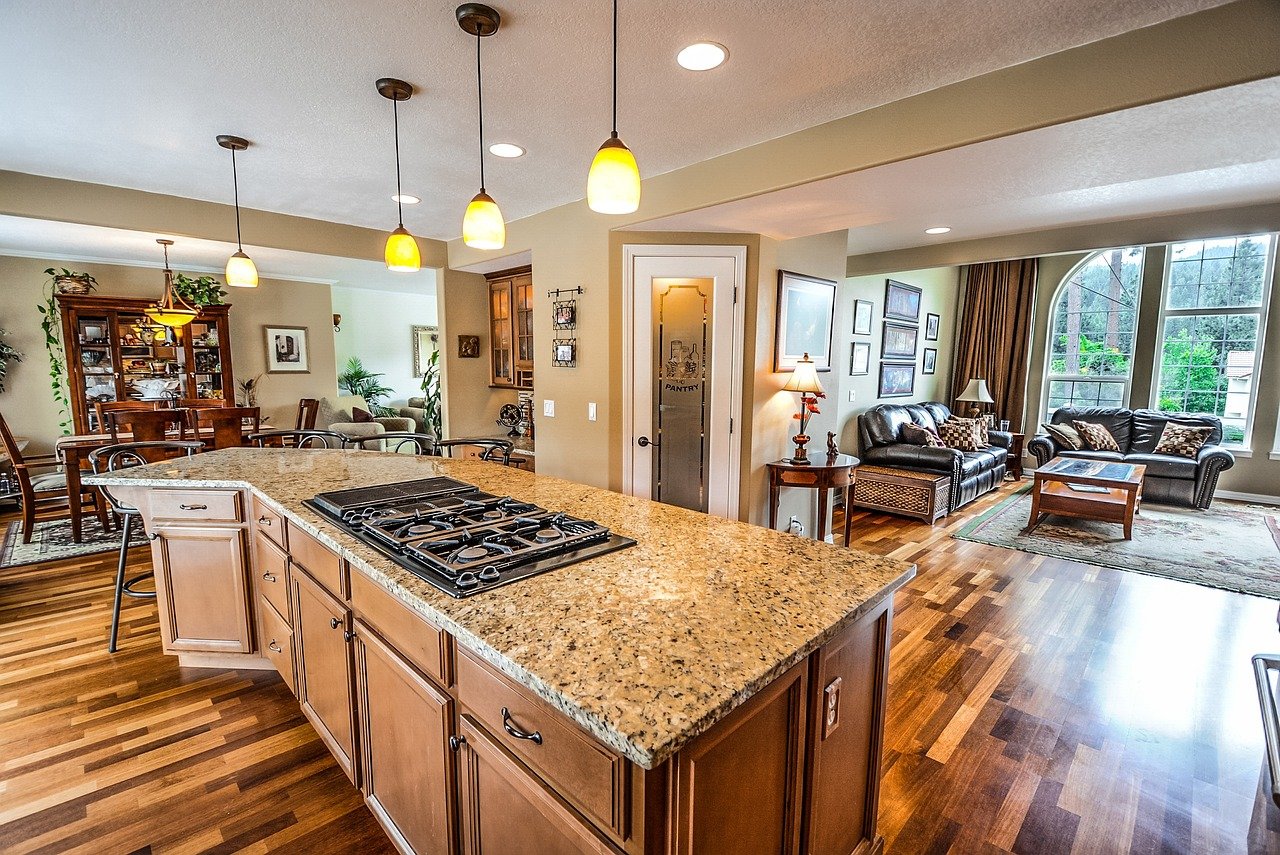
There is a meaningful difference between updating a home and genuinely transforming it. Single-room renovations improve specific areas but leave the rest of the home unchanged, which often creates a contrast that highlights how much still needs attention. A full home remodel, one that addresses multiple systems and spaces in a coordinated way, produces something fundamentally different: a home that functions better at every level, feels cohesive throughout, and supports the way a family actually lives rather than working around the limitations of how the home was originally built.
Understanding what a full home remodel actually involves, and how it changes daily life in ways that incremental updates simply cannot, helps homeowners decide whether a comprehensive approach is right for their situation.
What a Full Home Remodel Actually Means
The term full home remodel gets used loosely, but it has a specific meaning in practice. It refers to a renovation that addresses the home systematically across multiple spaces and systems rather than focusing on a single room or surface update. This typically includes structural assessments, updates to mechanical systems where needed, and coordinated improvements across living areas, kitchens, bathrooms, bedrooms, basements, and exterior elements.
A full remodel is not necessarily about gutting everything and starting over. In many cases it involves selective but comprehensive work: updating the kitchen and all bathrooms while also addressing flooring throughout, improving basement functionality, adding or reconfiguring living space, and bringing exterior elements like roofing and siding up to a standard that matches the interior improvements.
The distinction from a series of separate single-room projects is coordination. In a full remodel, every decision is made with the whole home in mind, which produces a cohesive result that individual projects completed over years rarely achieve.
How Living Space Gets Redefined
One of the most significant ways a full home remodel changes daily life is by addressing how space is actually used versus how it was designed to be used. Homes built decades ago were designed around lifestyle assumptions that often do not match how modern families live. Open-concept living was not standard in most residential construction until relatively recently, which means many older homes have compartmentalized floor plans that feel cramped and disconnected by today’s standards.
A full remodel creates the opportunity to reconfigure how spaces flow into each other. Removing non-load-bearing walls between a kitchen and living area transforms not just those two rooms but the entire experience of being in the main living space. Natural light reaches areas that were previously cut off. Conversation flows between rooms without barriers. The home feels larger without adding a single square foot of new construction.
These kinds of spatial changes are only possible when the renovation is approached comprehensively rather than one room at a time, because they require coordinated decisions about flooring, lighting, electrical, and finishes across multiple connected spaces simultaneously.
The Basement as Untapped Living Space
Basements represent some of the most underutilized square footage in residential properties. In homes where the basement has been used primarily for storage or left unfinished, a remodel that transforms that space into a functional living area adds usable square footage without the cost of a home addition.
Finished basements can serve as home offices, entertainment rooms, guest suites, playrooms, or multi-purpose spaces that relieve pressure on the main floors of the home. In households where space is a constant source of friction, a well-designed basement renovation often has a more immediate impact on daily quality of life than any other single renovation in the project.
The key to a basement renovation that genuinely works is addressing the fundamentals before the finishes. Moisture control, proper insulation, egress compliance, and adequate lighting all need to be resolved before flooring and drywall go in. Cosmetic basement renovations that skip these steps tend to develop problems within a few years that require expensive remediation.
Exterior Improvements That Protect the Interior Investment
A full home remodel that focuses exclusively on interior spaces while leaving exterior systems unaddressed is an incomplete investment. The roof, siding, windows, and exterior doors are the systems that protect everything inside the home from weather, moisture, and energy loss. Updating interior finishes while leaving a deteriorating roof or failing siding in place means the interior investment is at risk from the moment it is completed.
Homecraft Remodeling incorporates exterior assessments into full home remodel planning specifically because of this relationship between the building envelope and the interior systems it protects. Roofing and siding that are near the end of their service life are addressed as part of the overall project rather than deferred to a future date that may arrive too late to prevent interior damage.
New windows and exterior doors also contribute meaningfully to energy efficiency and comfort throughout the home. Drafty windows and poorly sealed doors create temperature inconsistencies that no HVAC system can fully compensate for, and replacing them as part of a full remodel locks in those efficiency gains across every season going forward.
Coordinating Multiple Trades Without Chaos
One of the practical challenges of a full home remodel is managing the number of trades involved. Framing, plumbing, electrical, HVAC, insulation, drywall, tile, cabinetry, flooring, painting, and exterior work all need to happen in a specific sequence, and delays or mistakes in any one area create downstream problems for every trade that follows.
This coordination challenge is exactly where working with an experienced full-service remodeling company makes the most difference. A remodeling team that manages all trades under one project structure eliminates the communication gaps that arise when homeowners try to coordinate multiple independent contractors on their own. Scheduling conflicts, material delays, and quality inconsistencies are managed internally rather than becoming the homeowner’s problem to resolve.
For Columbus homeowners ready to take on a project of this scale, partnering with professionals in home remodeling in Columbus, OH who handle comprehensive projects from planning through final walkthrough means the coordination complexity stays off the homeowner’s plate entirely.
The Long-Term Value of Getting It Right
A full home remodel done correctly is a 20 to 30 year investment, not a 5 year one. The materials selected, the systems updated, and the workmanship applied during the renovation determine how the home performs and looks for decades. Cutting corners on any element of a comprehensive remodel creates compounding problems over time that cost significantly more to address later than they would have cost to prevent during the original project.
This long horizon is why homeowners who approach a full remodel with a clear vision, a realistic budget, and the right professional partner consistently report higher satisfaction with the outcome than those who try to reduce costs by managing the project themselves or choosing contractors based on price alone.
The goal of a full home remodel is not just a more attractive living space. It is a home that works better in every practical sense, that supports your family’s daily life without friction, and that holds its value in a way that incremental, disconnected updates rarely achieve. When every element of the home is considered together and improved in a coordinated way, the result is something genuinely different from what any single room renovation can deliver.
Homecraft Remodeling brings that whole-home perspective to every comprehensive project, ensuring that the transformation from basement to roofline reflects a single cohesive vision rather than a collection of separate improvements that happen to share an address.
 Arthur