
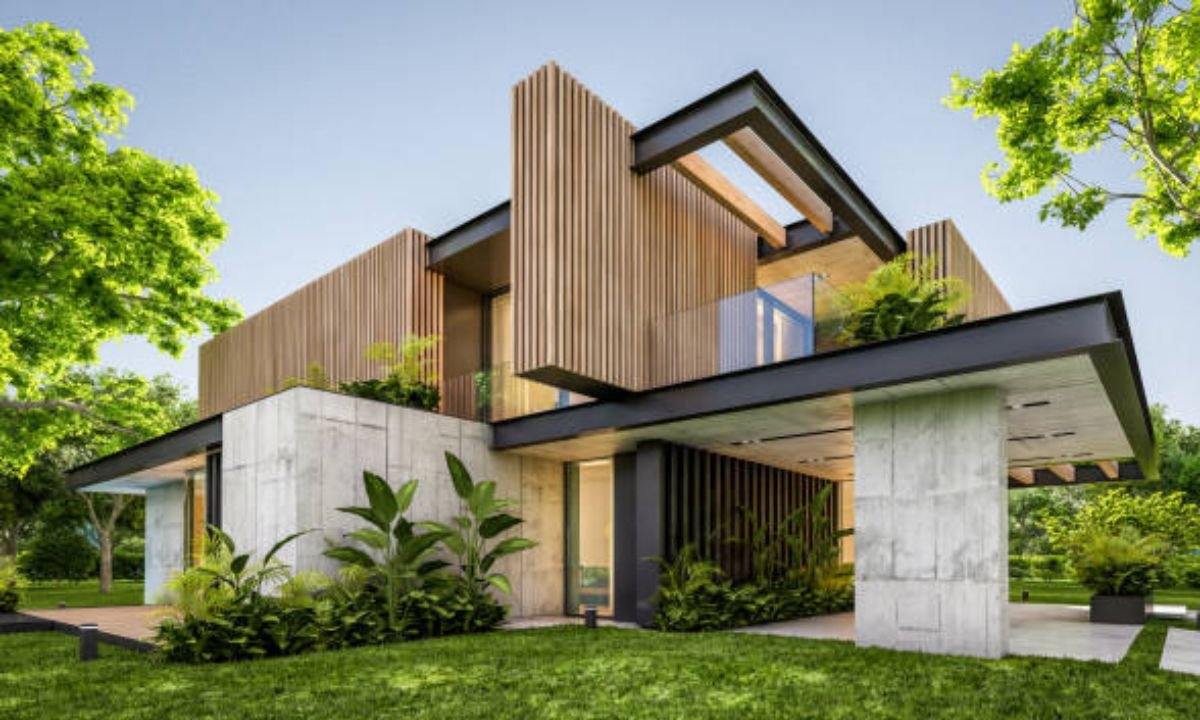
Incorporating sustainability into home design is no longer a fringe consideration but a priority for many homeowners who want to live more consciously and efficiently. Today’s residences reflect a growing desire to reduce environmental impact while enhancing comfort, wellness, and value. Exploring these current sustainable design trends provides insight into how our living spaces are being reshaped for the better. For those looking to integrate these ideas, resources like Architects Merion, PA, can guide you in adopting eco-friendly home solutions that blend style with sustainability. From the materials chosen for interiors to the integration of advanced technologies, the movement toward sustainability permeates every aspect of contemporary architecture. Not only does this make homes more efficient, but it also lets homeowners experience the benefits of improved well-being, reduced costs, and responsible stewardship of natural resources. Whether you’re building from the ground up or renovating an existing property, today’s sustainable principles open up new possibilities for every homeowner.
Energy-Efficient Features
Modern homes are increasingly employing energy-efficient features to reduce consumption and lower utility bills. According to a recent report by Realtor.com, there has been a notable rise in the adoption of WaterSense fixtures, which use at least 20 percent less water than conventional alternatives. In addition, energy-efficient appliances, LED lighting, and solar panels are now common in both new builds and upgrades, all contributing to a significant reduction in household energy use. Homeowners find that investing in energy efficiency pays off not only with lower monthly costs but also by boosting resale value as demand for green homes continues to rise.
Use of Natural Materials
Another prevailing trend is the use of sustainably sourced natural materials such as wood, stone, cork, and bamboo. This trend, often described as organic modernism, brings warmth and texture to interiors while reducing a home’s carbon footprint. Features such as white oak flooring, Venetian plaster walls, and reclaimed wood accents have become increasingly popular among architects and designers. Not only do these materials enhance aesthetic appeal, but they also improve indoor air quality, as they typically contain fewer chemicals than synthetic alternatives.
Integration of Smart Home Technologies
The integration of smart home technology has become an important pillar of sustainability. Devices such as smart thermostats, automated lights, energy-use monitors, and app-controlled appliances enable residents to optimize efficiency with precision. These technologies let families easily track their energy and water use, adjust settings remotely, and receive data-driven suggestions for further reductions. The evolution of smart home systems makes it easier than ever to maintain a green home environment while ensuring daily convenience.
Biophilic Design Elements
Biophilic design, which brings nature into the built environment, is gaining traction as an effective route to sustainability and enhanced well-being. Large windows maximize natural light, reducing reliance on artificial lighting and decreasing energy costs. Introducing indoor plants and natural ventilation increases indoor air quality and brings tranquility to home life. Studies show that this close connection with nature can positively affect stress levels, mood, and productivity, making biophilic elements not only an aesthetic choice but also a health-conscious one.
Designing Multi-Functional Spaces
The trend of designing multi-functional spaces is a practical response to changing lifestyles, especially with the rise in remote work. Adaptable floor plans, movable dividers, and versatile furniture enable spaces to shift easily between living, working, and entertaining zones. This approach maximizes square footage and avoids unnecessary home expansions, resulting in lower material consumption and a smaller carbon footprint.
Sustainable Landscaping Practices
Eco-friendly landscaping extends sustainable design principles outdoors. Techniques such as planting native species, opting for drought-resistant xeriscaping, and using permeable materials for walkways all help conserve water and reduce stormwater runoff. Many homeowners are also adding edible gardens and composting setups. These practices support local biodiversity and minimize household waste, further closing the loop on a sustainable lifestyle.
Water Conservation Strategies
Water conservation remains critical in home design. Installing low-flow faucets, high-efficiency washing machines, and rainwater harvesting systems are effective strategies. Drought-tolerant landscaping reduces the need for irrigation, while WaterSense-certified fixtures (used increasingly in homes) help shrink indoor water use without sacrificing performance. These measures not only lower water bills but also promote responsible use of a precious, limited resource.
Conclusion
Embracing sustainable design trends allows homeowners to support the environment while enjoying lasting comfort and cost savings. By prioritizing efficiency, integrating smart technologies, using natural materials, and connecting with nature through biophilic features, modern homes set the stage for a cleaner, healthier future. The journey toward sustainable living is more accessible than ever, and the benefits reach far beyond the front door.
 Decor Drip