
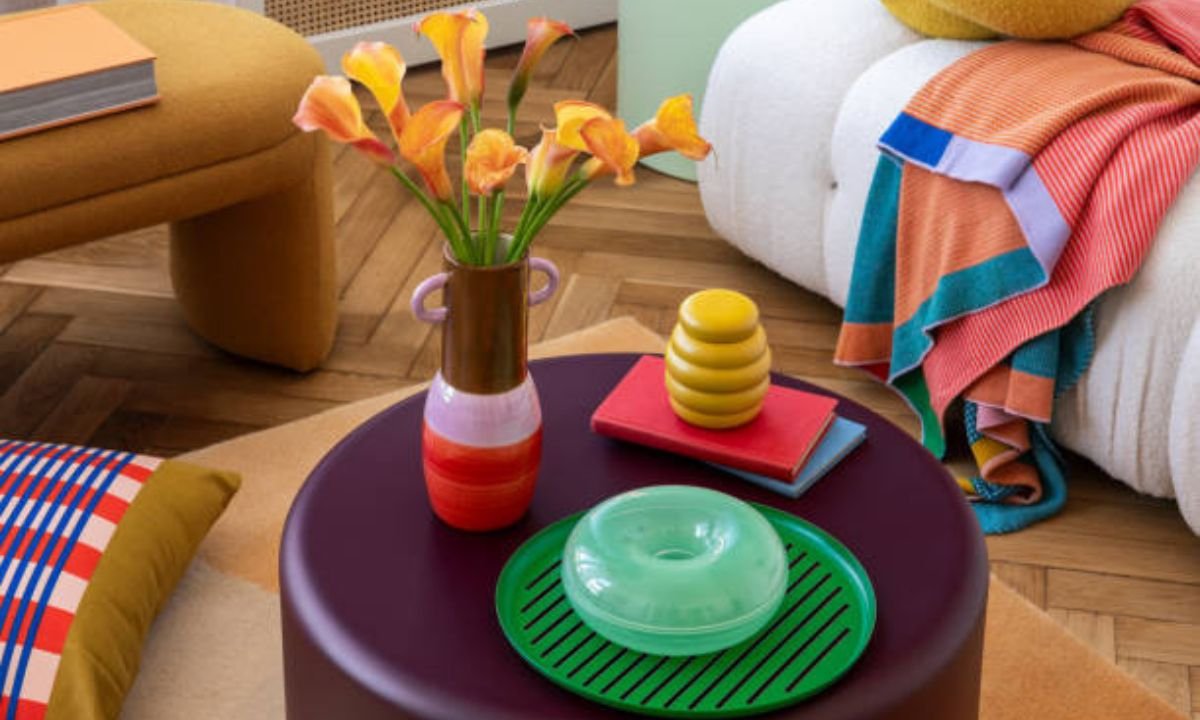
Home decor goes far beyond picking pretty items for your shelves. It is the thoughtful art of blending function with beauty to create spaces that feel truly yours. In recent years, homeowners have shifted away from cold, minimalist styles toward rooms filled with warmth, texture, and personal stories. If you want rooms that welcome you at the end of a long day, this guide will walk you through everything you need to know about decor.
Whether you are starting with a blank slate or refreshing one room at a time, you can achieve beautiful results without a big budget or professional help. Let us explore practical ways to bring comfort and character into your home through smart decor choices.
Why Good Decor Matters More Than Ever
Your home should support how you live while lifting your mood. Thoughtful decor improves daily life by making spaces more organized, relaxing, and enjoyable. Studies show that people feel happier and less stressed in environments that reflect their personality rather than following rigid trends.
Today’s decor favors layered textures, soft lighting, mixed materials, and meaningful objects. Think cozy throws, lived-in leather, handcrafted ceramics, and plenty of plants. This approach creates tactile spaces where you actually want to spend time.
Getting Started: Assess Your Space and Style
Before buying anything new, take stock of what you already own. Walk through each room with a notebook and answer these questions:
- What activities happen most in this space?
- What colors or textures make you feel calm or energized?
- Which items do you love and want to keep?
- What feels cluttered or uncomfortable?
Take clear photos from multiple angles. Natural light reveals true colors and problem areas. This simple step prevents costly mistakes and helps you build a cohesive look.
Next, define your personal style. Do you lean toward modern comfort, vintage charm, or a mix of both? Popular current directions include organic modern, Scandinavian hygge, and collected maximalism. You do not need to pick one label. Mixing elements that speak to you creates the most interesting decor.
Essential Elements of Successful Decor
Color: Setting the Mood
Color forms the foundation of any decor scheme. Warm neutrals like creamy beige, soft taupe, and greige create versatile backdrops that feel inviting. Add depth with rich accent colors such as deep terracotta, olive green, or navy blue.
Try these practical tips:
- Paint large swatches on walls and live with them for a few days.
- Use lighter shades on walls and darker tones on trim for visual interest.
- Incorporate color through textiles and accessories so you can change them seasonally.
Lighting: The Secret to Atmosphere
Good decor requires layers of lighting. Relying on one overhead fixture makes any room feel flat.
Create a balanced plan with:
- Ambient lighting from ceiling fixtures or recessed cans
- Task lighting near reading chairs or kitchen counters
- Accent lighting to highlight artwork or shelves
Table lamps, floor lamps, and wall sconces add warmth and softness. Choose bulbs with color temperatures around 2700K for a cozy glow. Dimmer switches give you control throughout the day.
Furniture: Function First, Style Second
Select pieces that fit both your needs and your room’s scale. Measure carefully before buying. Leave enough space for easy movement, at least 18 to 24 inches between furniture and walls in high-traffic areas.
Mix materials for depth. Combine wood, metal, upholstered pieces, and rattan. Vintage or secondhand finds add character and history that new matching sets rarely achieve.
Textiles: Adding Softness and Warmth
Fabrics bring instant comfort and sound absorption. Layer area rugs over hardwood floors, drape throws across sofas, and use curtains that pool gently on the floor.
Natural materials like linen, cotton, wool, and velvet work beautifully together. Do not be afraid to mix patterns. A large-scale floral with small geometric prints and solid textures creates visual harmony when colors relate to each other.
Room-by-Room Decor Strategies
Living Room Decor That Encourages Gathering
The living room serves as the heart of most homes. Arrange seating in conversational groups rather than all facing the television. A large sectional plus a couple of accent chairs works well for flexibility.
Center the space with a coffee table that offers storage. Add side tables within arm’s reach of every seat. Install floating shelves or a statement bookcase to display books, plants, and collected treasures.
Warm up the room with a mix of floor and table lamps. A plush area rug defines the seating zone and adds softness underfoot.
Kitchen Decor for Practical Beauty
Kitchens need hardworking surfaces and easy-to-clean materials. Open shelving displays favorite dishes and glassware while keeping items accessible. Choose dishware in complementary colors for an organized look.
Add personality with:
- Herb planters on windowsills
- Colorful cutting boards leaning against backsplashes
- Textiles like linen towels and cushioned barstools
Bedroom Decor for Rest and Renewal
Bedrooms should feel calm and personal. Invest in quality bedding that feels luxurious against your skin. Layer different textures: crisp sheets, a chunky knit blanket, and a soft duvet.
Minimize clutter by using bedside tables with drawers. Hang curtains that block light completely for better sleep. Consider a reading nook with a comfortable chair and good lamp if space allows.
Bathroom Decor That Feels Like a Spa
Even small bathrooms benefit from thoughtful decor. Add warmth with wood accents, soft towels, and candles. Install a pretty shower curtain or glass doors with nice hardware.
Floating shelves hold neatly folded towels and attractive bottles. A small plant that tolerates humidity brings life without taking counter space.
Budget-Friendly Decor Ideas That Look Expensive
You do not need a large budget to create beautiful spaces. Many of the best decor touches cost very little:
- Thrift store finds painted in fresh colors
- Gallery walls using frames from discount stores
- DIY pillows made from fabric remnants
- Plants propagated from friends’ cuttings
- Vintage textiles found at flea markets
Shop your own home first. Move lamps, artwork, and accessories between rooms to discover new combinations.
Common Decor Mistakes and How to Avoid Them
Many homeowners struggle with scale, buying too many small items that create visual clutter. Instead, choose fewer larger pieces that make an impact.
Another frequent issue is matching everything perfectly. Rooms feel more collected and personal when styles mix thoughtfully.
Avoid pushing all furniture against walls. Pulling seating away from walls creates more intimate groupings and makes rooms feel larger.
Seasonal Decor Updates Without Starting Over
Refresh your decor throughout the year with simple swaps:
- Spring: Lighter textiles, fresh flowers, pastel accents
- Summer: Natural baskets, breezy curtains, outdoor-friendly pillows
- Fall: Richer tones, wool throws, pumpkins and gourds
- Winter: Velvet pillows, fairy lights, cozy blankets
Keep core furniture and large rugs consistent. Change smaller accessories to shift the mood without major expense.
Bringing Personality Into Your Decor
The most inviting homes tell stories about the people who live there. Display family photos in interesting frames, showcase travel souvenirs, and include handmade items from hobbies.
Do not worry about perfection. A slightly imperfect arrangement often feels more welcoming than a staged showroom look.
Tools and Materials Every DIY Decorator Needs
Basic toolkit for decor projects:
- Measuring tape
- Level
- Picture hanging kit with various hooks
- Command strips for renters
- Hot glue gun
- Screwdriver set
- Painter’s tape
For larger projects, consider a stud finder, cordless drill, and miter saw. Start small and build your collection as needed.
Step-by-Step: Creating a Cozy Reading Nook
- Choose a quiet corner with good natural light.
- Place a comfortable armchair or chaise.
- Add a small side table and floor lamp.
- Include a footstool or ottoman.
- Layer with a soft rug, throw blanket, and cushions.
- Install wall shelves for books and a few plants.
- Add personal touches like candles or meaningful artwork.
This simple setup creates a personal retreat that costs under $300 if you shop smart.
Maintaining Your Decor Over Time
Good decor evolves with your life. Schedule seasonal refresh sessions to dust, rearrange, and evaluate what still works. Take photos each year to track changes and celebrate progress.
Conclusion:
Creating beautiful decor does not require following every trend or spending a fortune. Focus on what makes you feel good in your space. Layer comfort, personality, and function, and you will build a home that truly supports and delights you every single day.
Start with one room or even one corner. Small changes lead to big transformations when done with intention. Your warm, inviting home awaits.
FAQ
What is the difference between interior design and home decor? Interior design usually involves structural changes, floor plans, and professional technical knowledge. Home decor focuses on finishing touches like color, furniture arrangement, textiles, and accessories that you can often do yourself.
How can I make my rental feel like home with decor? Use command hooks, freestanding furniture, area rugs, large pillows, removable wallpaper, and plenty of portable lighting. Focus on textiles and portable accessories that move easily when you relocate.
What are the best colors for small spaces in decor? Light neutrals, soft whites, and pale blues or greens make rooms feel larger. Add depth with darker accents in textiles and artwork rather than on walls.
How do I create a cohesive look throughout my house? Choose a consistent color palette and repeat similar materials or shapes in different rooms. You can vary the style slightly while maintaining an overall thread of continuity.
Is it better to buy matching furniture sets for decor? Mixing pieces usually creates more interesting and personal spaces. Use matching items as a starting point and add unique finds to build character.
How often should I update my home decor? Major updates every 5 to 7 years work well, but you can refresh with new textiles, pillows, and accessories every season or year to keep things feeling current.
What are current popular decor trends? Warm minimalism, organic shapes, natural materials, collected displays, and biophilic design that brings nature indoors remain strong choices.
How can I decorate on a tight budget? Shop thrift stores, Facebook Marketplace, and garage sales. Paint existing items, sew simple pillows, propagate plants, and focus on rearranging what you already own.
Should I follow decor trends or develop my own style? Use trends for inspiration but prioritize pieces and colors you genuinely love. Timeless basics combined with personal touches create homes that never feel dated.
What decor mistakes should beginners avoid? Buying everything at once, ignoring scale and proportion, skipping proper lighting, and forgetting to include storage solutions.
 Arthur