
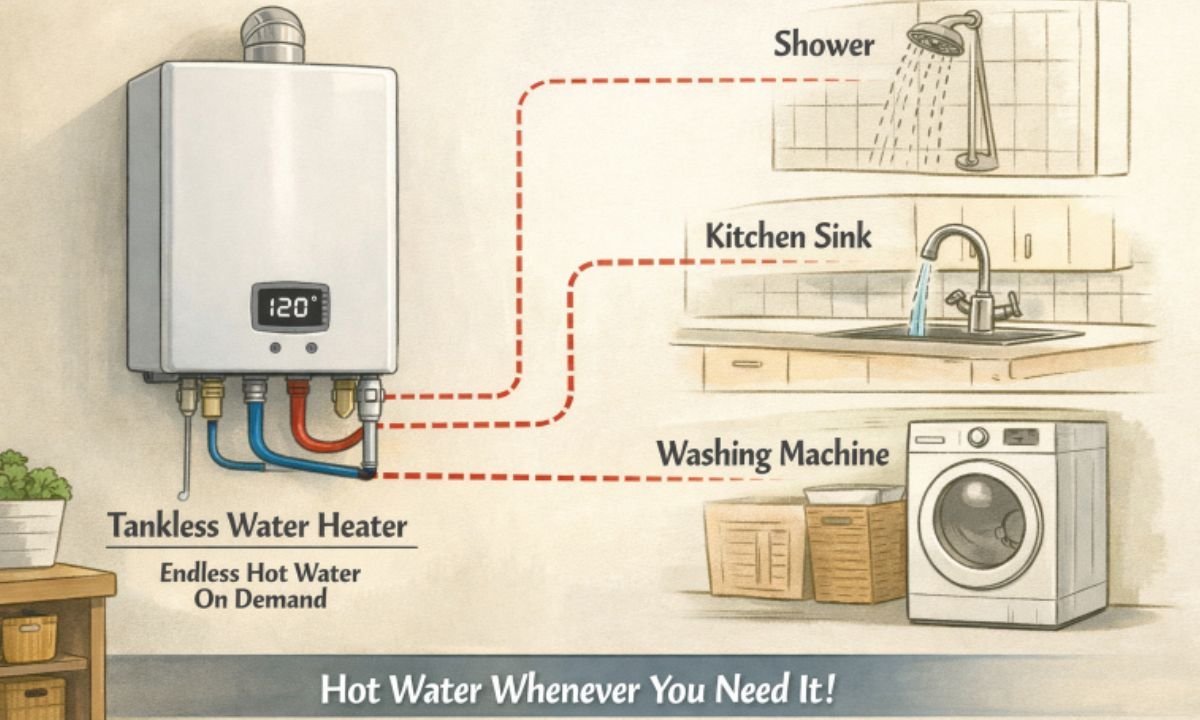
Homeowners today are increasingly focused on optimizing efficiency, saving money, and adopting sustainable home technologies. One of the leading ways to achieve all three goals is by installing a tankless water heater. Unlike traditional systems, these advanced units offer on-demand hot water and substantial long-term benefits. If you are researching a tankless water heater plumber in Provo UT or want to learn more, this comprehensive guide explores why tankless water heaters are becoming a staple in contemporary homes. The shift toward tankless water heating is not merely a trend, but a reflection of a broader desire for smarter home solutions and responsible energy use. In addition to substantially reducing standby energy losses, tankless systems excel in longevity and space efficiency, providing an upgrade that aligns perfectly with modern lifestyles.
Energy Efficiency and Cost Savings
Tankless water heaters operate efficiently by heating water only when needed. This approach eliminates the continuous energy consumption required to keep a traditional hot water tank ready at all times. According to the U.S. Department of Energy, households can save up to 34 percent compared to conventional water heaters. These savings can result in noticeably lower monthly utility bills, especially in homes with moderate hot water usage. Over time, the efficiency of tankless systems can offset their higher initial cost, making them an attractive financial investment.
Continuous Hot Water Supply
The capacity of their tanks limits the effectiveness of traditional water heaters. Once the stored hot water is depleted, users must wait for the heater to reheat another batch. Tankless units eliminate this inconvenience by delivering hot water continuously. Whether you are managing multiple showers in the morning rush or running laundry while washing dishes, a tankless system ensures the supply never runs out as long as the unit is sized appropriately for your home.
Space-Saving Design
One of the most noticeable advantages of tankless water heaters is their compact size. These units are typically wall-mounted and require a fraction of the space of traditional hot water tanks. Their versatile placement options are ideal for smaller homes, condos, or apartments where floor space is at a premium. The minimalist design makes them easier to conceal in closets or utility rooms, helping create a cleaner, more organized living environment.
Extended Lifespan and Durability
Another important benefit of tankless technology is durability. When properly maintained, tankless water heaters often last 20 years or more, compared to 10 to 15 years for tank-based models. Their design reduces exposure to standing water, thereby minimizing the risk of rust and sediment buildup. This longevity not only means fewer replacements but also reduces long-term waste, a significant win for both homeowners and the environment. For those who want a detailed look at how energy-efficient water heating options can affect home energy consumption, Energy.gov’s guide provides trustworthy insights and comparisons.
Reduced Risk of Water Damage
Tankless water heaters help minimize the risk of significant water leaks or tank ruptures, since they do not store large volumes of water. This greatly reduces the chance of catastrophic water damage that can destroy flooring, walls, and other valuable areas of your home. Additionally, without a tank for sediment to accumulate, these systems are less susceptible to scale build-up and related maintenance issues.
Environmental Impact
By lowering overall energy consumption and lasting longer than standard water heaters, tankless units support eco-friendly living. Their efficiency reduces carbon emissions associated with water heating, and the extended lifespan means fewer units are manufactured and fewer are sent to landfills for disposal. For homeowners looking to make a conscientious choice, tankless models dovetail neatly with many green building and renovation initiatives.
Considerations Before Installation
Despite their numerous benefits, prospective buyers should evaluate several factors before installing a tankless system. The upfront expense is higher than that of traditional models, although many homeowners find that energy and maintenance savings offset this cost over time. It is also important to accurately assess your home’s maximum hot water demand, as homes with high simultaneous demand may require a larger unit or multiple units to ensure an uninterrupted supply. Consulting with a licensed professional plumber will help you choose the appropriate system and ensure correct installation, maximizing the benefits of your investment. Tankless water heaters offer a compelling mix of reliability, efficiency, and long-term value. Their space-saving profiles and durability make them especially suited for modern homes. For homeowners interested in upgrading to more efficient technology, tankless water heaters offer a practical, sustainable solution that meets the evolving needs of contemporary living.
Conclusion
Tankless water heaters represent a modern, efficient, and sustainable upgrade for today’s homeowners. By providing hot water on demand, they eliminate energy waste, reduce utility costs, and ensure a continuous supply that supports busy household routines. Their compact design also frees up valuable space, making them ideal for homes of all sizes, especially those with limited utility areas.
Beyond convenience, tankless systems offer long-term value through extended durability and a reduced risk of leaks or water damage. Their energy-efficient operation also supports environmentally responsible living by lowering overall energy consumption and carbon emissions. While the initial installation cost and sizing considerations require careful planning, the long-term benefits often outweigh these factors. Ultimately, tankless water heaters deliver a smart balance of performance, efficiency, and sustainability for the modern home.
You May Also Like: Independent Plumbing & Drain Care in Ventura and Carlsbad
 Decor Drip