

Key Points
- Resurfacing ceramic floor tile offers a practical, cost-effective way to update dated or slightly worn tiles, especially in kitchens or bathrooms, without the hassle of full replacement.
- Evidence leans toward resurfacing being ideal for structurally sound tiles, saving up to 75% in costs compared to replacement, though it may not match the longevity of new installations.
- For tiles with minor cracks, repairs can often precede resurfacing, but significant damage or structural issues typically warrant replacement to avoid future problems.
- DIY approaches using kits like epoxy coatings empower homeowners, yet professional services ensure durability, particularly in high-traffic or moist areas.
When to Resurface vs. Replace
If your tiles are intact but look outdated, resurfacing with tile reglazing or epoxy floor coatings can restore shine and color affordably. However, if cracks run deep or tiles are loose, replacement prevents underlying issues like water damage. Consult a pro if unsure.
Cost Considerations
Resurfacing averages $4 to $12 per square foot, versus $7 to $20 for replacement, making it appealing for budget renovations. DIY kits start at $50, but factor in time and potential redo costs.
DIY Feasibility
With proper surface preparation and tools, many homeowners succeed, but heed warnings: poor prep leads to peeling. Start small to build confidence.
Staring at those faded ceramic floor tiles in your kitchen or bathroom can make the whole space feel stuck in the past. You’ve got options, though, and resurfacing might just be the refresh you need without tearing everything out. This guide dives into when to resurface ceramic floor tile, how to do it right, and whether it’s smarter than a full replacement for your situation.
We’ll walk through the pros, cons, and step-by-step details to help you decide. Whether you’re a DIY enthusiast eyeing a weekend project or a landlord aiming for quick updates, you’ll get honest advice on making your floors look new again.
Understanding Resurfacing Ceramic Floor Tile
What exactly does it mean to resurface ceramic floor tile? It’s basically giving your existing tiles a makeover by applying a new coating, like epoxy floor coatings or specialized paints, to restore their look and protect them.
Unlike replacement, which involves ripping out old tiles and installing new ones, resurfacing keeps the base intact. Think of it as a facelift: quick, less invasive, and often done in days.
This approach works best for porcelain or ceramic tiles that are structurally sound but show signs of wear, like dullness or minor scratches. It’s popular for bathrooms and kitchens where moisture is a factor, as modern coatings add water resistance.
Imagine transforming a 1980s beige tile floor into a sleek, modern gray without demolition dust everywhere. That’s the magic here.
But is it always the right choice? Not if your tiles are cracked through or the subfloor is damaged. In those cases, resurfacing might just hide problems temporarily.
When to Choose Resurfacing Over Replacement
Deciding between resurfacing and replacement boils down to your tile’s condition and your goals. If your floors are dated but solid, resurfacing shines as a budget-friendly fix.
For instance, property managers refreshing rental units often opt for this to avoid tenant disruptions. It’s faster and cheaper, with minimal downtime.
Homeowners dealing with slightly worn tiles in high-use areas, like bathrooms, find it appealing too. Ask yourself: Are the tiles loose or uneven? If yes, replacement is safer to prevent trips or further damage.
On the flip side, if cracks are superficial, you can often repair them first with epoxy fillers and then resurface. This hybrid approach saves money while addressing issues.
Consider your timeline. Resurfacing typically takes a few days, including curing, versus weeks for replacement. If you’re prepping a home for sale, the quick aesthetic boost can pay off.
Rhetorical question: Why spend thousands on new tiles when a fresh coat could do the trick? Just ensure the underlying structure is sound, perhaps by tapping tiles to check for hollow sounds.
Pros and Cons of Resurfacing Ceramic Floor Tile
Let’s break it down honestly. Resurfacing isn’t a miracle cure, but it has solid upsides.
First, the pros:
- It’s cost-effective, often 50% to 75% cheaper than replacement. No need for heavy demo work, so less mess and stress.
- It also preserves your home’s original layout, which is great if you love the pattern but hate the color. Modern options like polyurethane topcoats add durability and shine.
- Environmentally, it’s greener: fewer materials end up in landfills. And for DIY fans, kits make it accessible.
Now, the cons:
- Durability can be an issue. Refinished surfaces might need touch-ups sooner than new tiles, especially in high-traffic spots.
- Color options are limited to what’s compatible with coatings, and it won’t fix deep structural problems. If moisture seeps under, peeling could occur.
- I’ve heard stories from homeowners who resurfaced only to regret not addressing grout issues first. Balance that can-do attitude with realism.
| Aspect | Pros | Cons |
|---|---|---|
| Cost | $4-12 per sq ft | May require future repairs |
| Time | 2-4 days | Curing limits use |
| Durability | Good for 5-10 years | Less than new tiles |
| Mess | Minimal | Prep still dusty |
| Aesthetics | Fresh look | Limited designs |
This table highlights why resurfacing appeals to budget-conscious folks but isn’t always the long-term winner.
Assessing Your Ceramic Floor Tile Condition
Before diving in, evaluate your tiles closely. Start by cleaning thoroughly to spot hidden issues.
- Look for cracks: Minor ones can be filled, but if they’re wide or spiderwebbed, resurfacing might not hold. Can you resurface ceramic floor tile with cracks? Yes, with repairs, but consult a pro for safety.
- Check grout: Crumbling lines need restoration first, using grout restoration tools or sealers. You can often resurface without removing grout entirely.
- Test for looseness by walking across and listening for shifts. If tiles move, fix the subfloor before proceeding.
- In bathrooms, watch for water damage signs like mold. Resurfacing works well here with moisture-resistant coatings, but ignore rot at your peril.
- A simple anecdote: One homeowner I know skipped this step and ended up with bubbling coating after a month. Don’t let that be you.
- If unsure, snap photos and show them at a home center for advice. Better safe than sorry.
Materials and Tools for Resurfacing
- Gather the right stuff to avoid mid-project trips. Key items include a tile reglazing kit, like Rust-Oleum’s epoxy-based one, which covers tubs and floors.
- You’ll need bonding primers, etching compounds for grip, and polyurethane topcoats for shine.
- For safety: Respirator, gloves, goggles. Tools: Orbital sander, paint rollers, brushes, microfiber cloths.
- Don’t forget non-slip additives for bathrooms to prevent slips. DIY kits from Home Depot or Amazon run $50 to $200.
Pro tip: Choose kits rated for floors, not just tubs, for better wear resistance.
Step-by-Step Guide to Resurface Ceramic Floor Tile
Ready to roll up your sleeves? Here’s a 7-step guide to resurface ceramic floor tile, blending DIY spirit with pro warnings.
Step 1: Clean deeply. Scrape off gunk, use a tile cleaner, rinse well. Let dry fully.
Step 2: Repair damages. Fill cracks with epoxy, sand smooth. Restore grout if needed.
Step 3: Sand the surface. Use 400-grit paper to etch the glaze, then 600-grit for smoothness. Vacuum dust.
Step 4: Prime. Apply bonding primers with a roller, let dry 2-4 hours.
Step 5: Mix and apply coating. Stir epoxy, roll on thin layers. Work in sections to avoid drying lines.
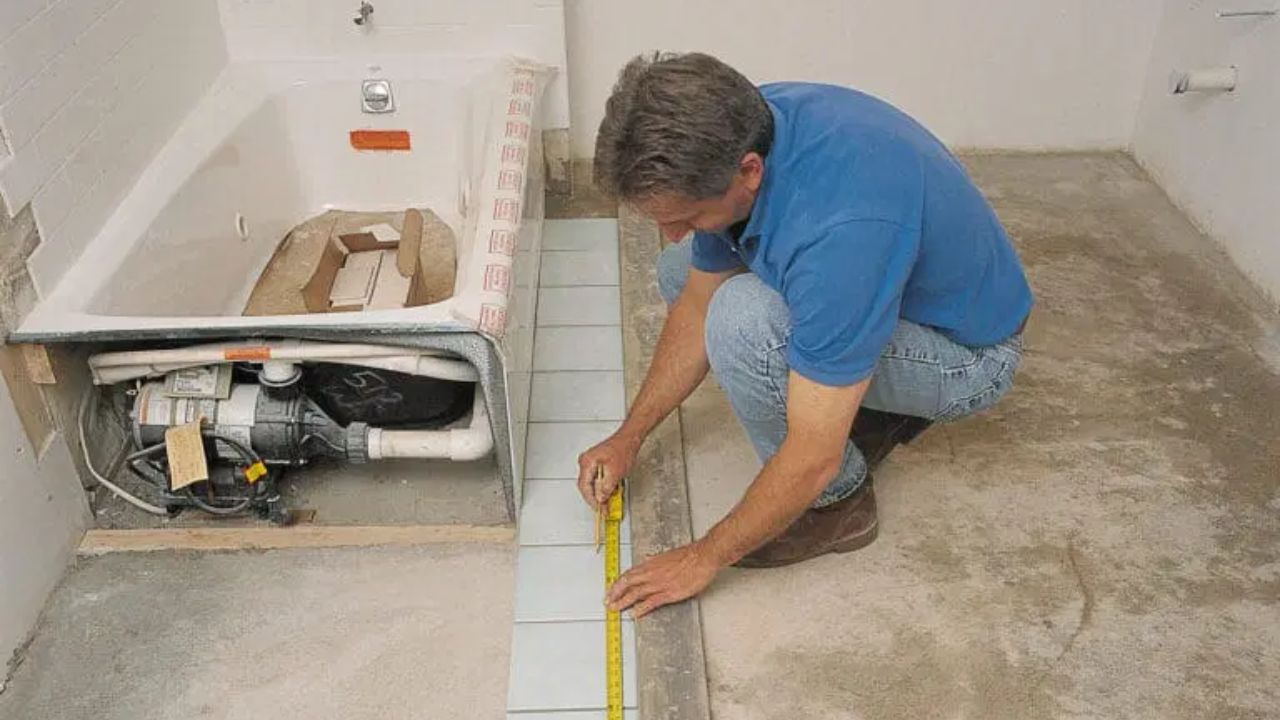
Image Source: ntpavers.com
Step 6: Add topcoat. After first coat dries (about 1 hour), apply second with polyurethane topcoats. Include non-slip additives if desired.
Step 7: Cure. Wait 3 days before use, ventilate well.
How long does it take to resurface ceramic floor tile? Plan 2-4 days total, mostly for drying.
For bathrooms, focus on ventilation to handle fumes. Best way to resurface ceramic floor tile in bathrooms? Use moisture-resistant epoxies.
You can often resurface without removing grout by coating over it. Just ensure it’s clean.
Common pitfall: Rushing prep. I recall a friend who skipped sanding, and the coating peeled in weeks. Take your time.
DIY Kits for Resurfacing Ceramic Floor Tile
- DIY kits make this accessible. Popular ones include SEMCO Tile Resurfacing Kit for 110-220 sq ft coverage, with glossy or satin finishes.
- Rust-Oleum’s kit is user-friendly, self-leveling for smooth results.
- Bathworks offers step-by-step tutorials, ideal for beginners.
Prices: $50-200. Look for ones with porcelain tile finishes for authenticity.
Pro tip: Read reviews on sites like Amazon for real-user insights. External link: Check EPA guidelines on VOCs in coatings (epa.gov/indoor-air-quality-iaq).
Cost to Resurface Ceramic Floor Tile vs Replacement
Breaking down costs helps decide.
- Resurfacing: $4-12 per sq ft professionally, or less with DIY.
- For a 100 sq ft bathroom, that’s $400-1,200.
- Replacement: $7-20 per sq ft, plus demo and disposal, totaling $700-2,000 or more.
- Factor labor: Pros charge $600-3,000 per room for resurfacing.
- DIY savings are huge, but add $100-300 for tools if new to this.
Table of costs:
| Option | Average Cost per Sq Ft | Total for 100 Sq Ft Room |
|---|---|---|
| DIY Resurface | $0.50-2 | $50-200 |
| Pro Resurface | $4-12 | $400-1,200 |
| Replacement | $7-20 | $700-2,000 |
Resurfacing wins for budgets, but replacement offers longer life.
Common Pitfalls and How to Avoid Them
Even pros make mistakes, so watch out.
- Poor prep leads to adhesion failure: Always etch with etching compounds.
- Over-applying coating causes drips: Thin layers are key.
- Ignoring curing time? You’ll ruin the finish. Block off the area.
- In rentals, choose durable options to withstand tenants.
Anecdote: One landlord resurfaced without non-slip, leading to a slip complaint. Additives fix that easily.
Pro tip: Test a small area first if DIYing.
Maintenance After Resurfacing
- Keep your new look lasting. Clean with mild solutions, avoid abrasives.
- Reseal grout yearly for moisture protection.
- Watch for wear in high-traffic spots, touch up as needed.
- With care, expect 5-10 years of beauty.
Conclusion
Resurfacing ceramic floor tile balances affordability and impact, perfect for DIY homeowners or landlords updating without chaos. Weigh your tile’s condition: Opt for it when tiles are sound, save big versus replacement. Remember costs, prep, and curing for success.
Ready to start? Grab a kit or call a local pro for a quote tailored to your space.
You May Also Like: Can You Paint Vinyl Cladding? The Complete Guide
 Arthur