
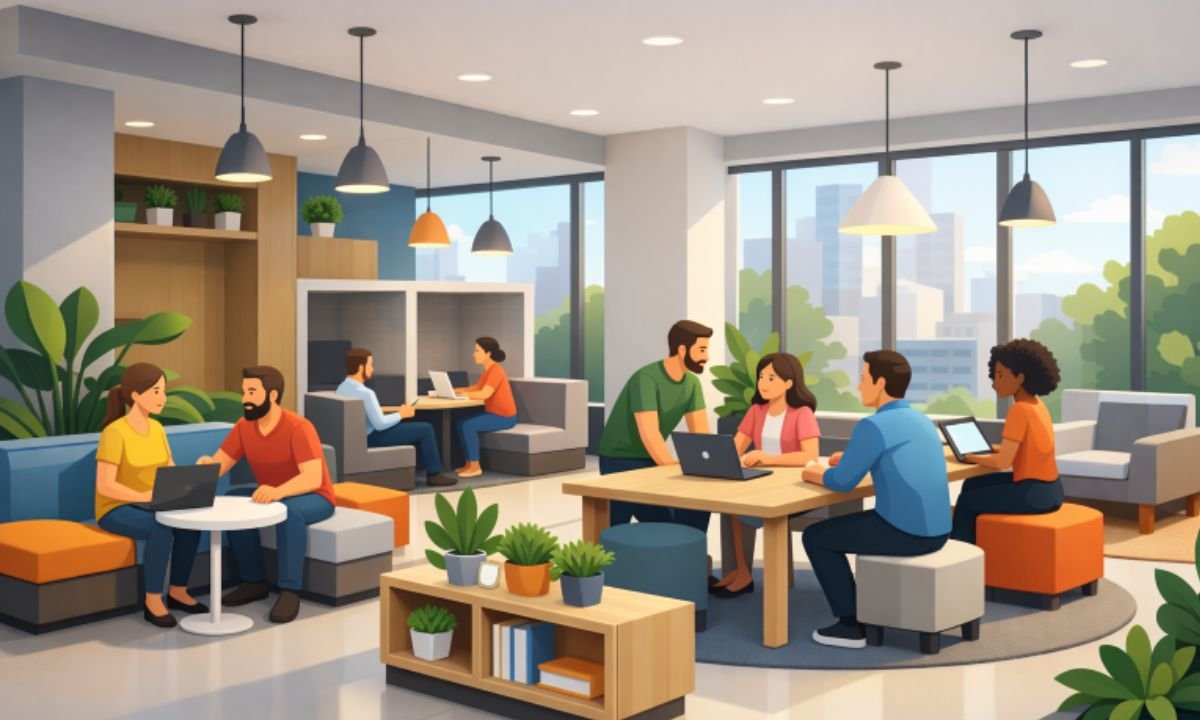
As the workplace continues to evolve, companies are reimagining office environments to foster creativity, collaboration, and well-being. Today’s most forward-thinking businesses are embracing modern office designs that support flexibility, productivity, and employee wellness. With elements such as cutting-edge technology, open layouts, and sustainable practices, these spaces are shaping the future of work. Whether seeking upscale office space or looking for inspiration for your own, exploring options for Manhattan office rental can offer a firsthand look at these new standards in workplace excellence.
Modern office design is about much more than aesthetics. It creates an environment where staff can thrive, and businesses can remain competitive. By prioritizing flexibility and comfort, organizations are fostering spaces that enable diverse work styles, boost morale, and increase collaboration. As modern employees seek greater balance and purpose at work, smart workplaces are rising to meet these needs and more.
Revolutionary office designs are breaking down the barriers of conventional workplaces. Open plans and adaptable furniture replace static, cubicle-based layouts, empowering teams to switch between collaborative, social, and focused work modes. Businesses are also using design to reinforce brand values, inspire employees, and attract top talent.
Sustainable and wellness-focused features are in high demand, reflecting a growing awareness of how work environments impact both employee health and environmental stewardship. This holistic approach ensures that office spaces serve as more than just places to complete tasks; they become dynamic ecosystems where people connect, innovate, and grow.
Flexible Designs for Dynamic Work Environments
Gone are the days when offices featured rows of identical desks and closed-door offices. Modern workspaces introduce flexibility at every level. Open floor plans, modular furniture, and multipurpose areas allow employees to select the space that best fits their workflow. By integrating flexible zones, such as hot desking, breakout rooms, and quiet pods, businesses can meet a wide range of occupant needs in real-time.
These dynamic environments promote agility, which is especially valuable as organizations adapt to hybrid work models and changing project requirements. According to a New York Times report on hybrid workplace design, organizations that offer adaptable spaces are more likely to see higher employee satisfaction and improved collaboration across teams.
Seamless Technology Integration
Advanced technology integration is the backbone of the modern office. Connected workplaces feature Internet of Things (IoT) devices, high-speed internet, wireless charging stations, and smartboards, all designed to streamline communication and increase efficiency. The use of cloud-based smart office systems enables real-time customization of lighting, temperature, and even desk bookings.
Technology-driven offices are particularly adept at supporting remote work and collaborative projects, ensuring seamless interaction between in-person and virtual teams. Adaptable meeting spaces with state-of-the-art conferencing tools make it possible to conduct high-quality video calls and interactive presentations, regardless of location.
Prioritizing Employee Well-being
Supporting the health and happiness of employees is now at the forefront of office design strategy. Biophilic design principles incorporate natural lighting, greenery, and calming color palettes to reduce workplace stress and boost productivity. Additional features like onsite fitness centers, meditation rooms, and ergonomic seating help staff maintain both physical and mental well-being throughout the workday.
Research featured in Forbes underscores that offices prioritizing these features report lower absenteeism rates and higher engagement levels. Today’s top architects and designers are committed to creating environments where people feel cared for and motivated to perform at their best.
Embracing Sustainable Practices
Sustainability is now a hallmark of high-performing office spaces. Incorporating eco-friendly materials, green roofs, and energy-efficient systems reduces the ecological footprint of office buildings while often lowering operating costs. Commercial spaces like New York’s JPMorgan Chase Tower at 270 Park Avenue set new standards by utilizing hydroelectric energy and pursuing all-electric operations.
The integration of recycling programs, water-saving fixtures, and low-VOC finishes further enhances both environmental and human health. Eco-conscious office designs not only attract employees but also present a positive image to stakeholders and the community. Forward-looking organizations recognize the long-term value of investing in spaces that tread lightly on the planet.
Case Studies of Innovative Office Spaces
- Steelcase WorkLife Center (Dallas): This facility stands as a model for high-performance workplaces. Adhering to the WELL Building Standard, it is designed to amplify individual and collective output through purposeful and sustainable design choices.
- 25 Kent (Williamsburg, Brooklyn): Overlooking the waterfront, this office complex is tailored for creativity, boasting open collaborative spaces and state-of-the-art amenities that particularly appeal to tech and creative industries.
- USM and Alexander May Studio – “The Architecture of Work”: Their project features modular “officescapes” that respond to the flexible and intellectual needs of today’s professionals. This approach highlights the importance of adaptability in supporting diverse workflows.
Future Trends in Office Design
- Hybrid Work Models: Offices will increasingly support both in-person and remote work. Flexible layouts, enhanced connectivity, and spaces for virtual collaboration will define the next generation of work environments.
- Health-Centric Features: From enhanced air filtration systems to touchless entry and wellness programs, the shift toward healthier office environments continues to gain momentum.
- Personalized Workspaces: Leveraging data, employers can offer tailored options, from standing desks to customizable lighting, ensuring that every employee finds their ideal setup for productivity and comfort.
By adopting these innovative design strategies, organizations can foster spaces that inspire and energize their people. As office environments become more dynamic, health-forward, and flexible, they unlock new opportunities for growth, retention, and operational success. Thoughtfully designed workplaces will continue to reflect evolving business needs, employee expectations, and technological advancements, ultimately supporting sustained innovation and long-term business resilience while making a positive impact on organizational culture and the broader community.
 Decor Drip