
Key Takeaways
- Design around elevation, sun, snow, soil, drainage, and water availability.
- Group plants by their water needs and create separate irrigation zones.
- Keep lawns and other high-water features limited to useful areas.
- Choose durable plants that fit the site’s climate and growing conditions.
- Use hardscape, drainage, and slopes to reduce erosion and maintenance.
- Plan seasonal care, irrigation, lighting, and water features from the start.
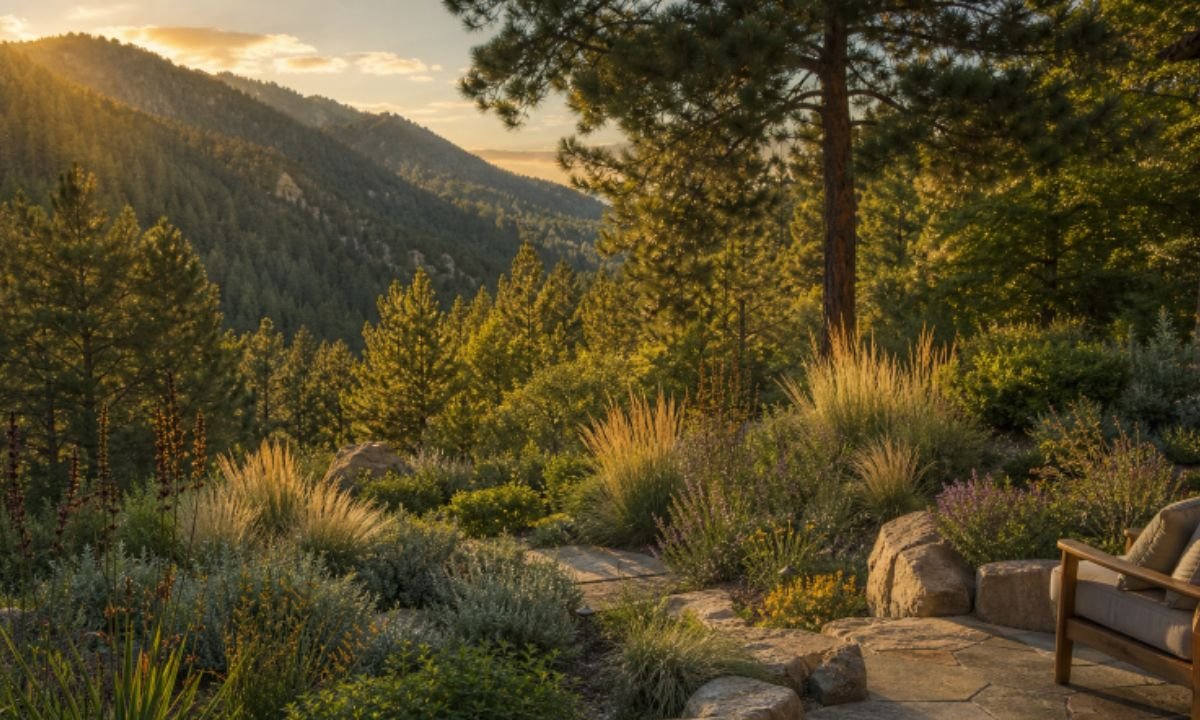
A water-wise mountain landscape is not a bare yard filled with gravel. It is an outdoor space designed around the property’s elevation, sun exposure, snow patterns, soil, and daily use. Whether you want a quiet garden, a family gathering area, or landscape design like those in Park City, the strongest plans begin by working with local conditions rather than against them. Mountain communities can receive substantial snowfall and still experience dry summers, intense sun, drying winds, and limits on irrigation water. A thoughtful plan protects water while preserving the qualities people value most: shade, seasonal color, comfortable paths, useful patios, and a landscape that looks intentional year-round. The central idea is simple: put the right feature in the right place, then give it the appropriate amount of water and maintenance. A lawn, a shade tree, a sunny perennial border, and a rock garden should not all be treated as though they have the same needs.
Why Water-Wise Design Matters
Outdoor water use often climbs when every part of a yard runs on one irrigation schedule. For example, a small lawn may need more frequent watering than established shrubs, while a planting bed with drought-tolerant perennials may need far less. If all three receive the same schedule, water is wasted, and plants can still struggle. Water-wise planning does not require eliminating turf or colorful planting beds. It means limiting high-water areas to places where they provide real value.
Start With The Site
Begin with observation, not a plant catalog. Walk the property at different times of day and make a basic sketch of full sun, partial shade, deep shade, exposed corners, snow storage areas, slopes, low spots, and existing drainage paths. Note soil that is compacted, rocky, sandy, or slow-draining. Also identify views to frame, locations that need privacy, and spaces for dining, play, walking, pets, or quiet seating. Watch where water moves during heavy rain and spring snowmelt. This one step can prevent costly decisions later, such as placing a patio in a wet area or installing a planting bed where runoff repeatedly erodes the soil.
Choose Plants For The Setting
The most dependable landscapes follow the “right plant, right place” rule. Select plants that can handle the site’s cold, sun, soil, wind, and available water after they are established. Use layers of trees, shrubs, grasses, perennials, and ground covers to create structure without relying on one plant type. Check mature height and width before planting near windows, walkways, walls, and utility areas. Evergreens provide winter form and screening, while deciduous trees and perennials add seasonal shade, flowers, and fall color. A plant native to Utah is not automatically right for every mountain yard, since elevation, soil, and moisture conditions vary widely. The water-wise plant options for Utah landscapes can help narrow choices based on lower-water needs and cold-weather performance.
Create Simple Water Zones
Grouping plants by water need makes irrigation easier to manage and reduces overwatering. A practical plan often includes three basic zones.
Low-Water Zone
Use this area for drought-tolerant perennials, ornamental grasses, established native plants, mulch, and decorative stone. These spaces are well-suited to sunny edges, slopes, and parts of the yard that are not used every day.
Moderate-Water Zone
Reserve moderate watering for trees, shrubs, and mixed planting beds that benefit from occasional deep irrigation. Drip systems are especially useful here because they deliver water near roots rather than spraying foliage and hardscape.
Higher-Water Zone
Keep higher-water areas compact and purposeful. A small lawn near a patio, a vegetable garden, or a play space can be worth the added care when it is located close to regular activity.
Use Hardscape With Purpose
Patios, paths, steps, walls, and seating areas can reduce maintenance by supporting how people actually move through the property. Design walkways to follow natural travel patterns rather than forcing sharp turns across planted areas. Choose durable materials that tolerate freeze-thaw cycles, and grade paved surfaces so water flows away from the home. Retaining walls should solve a specific access, grading, or erosion issue, not become a default decorative feature.
Manage Slopes And Runoff
Drainage should be part of the original design. Direct runoff away from foundations, stairs, and high-use spaces. Depending on the site, terraces, swales, drains, or retaining features may slow water and reduce erosion. Stabilize bare slopes with suitable plants, mulch, or stone, and leave room for mature roots and maintenance access. Before starting a major renovation, review applicable local landscape code updates so plans account for current requirements.
Add Lighting And Water Features Carefully
Lighting should improve safety and extend the use of outdoor areas without causing glare. Prioritize steps, path transitions, entries, and seating areas, then add a few restrained accents for trees, walls, or focal points. Efficient fixtures with timers or smart controls simplify operation. If adding a pond, stream, or waterfall, size it to the space and the available maintenance time. Plan for pumps, filters, evaporation, winter shutdown, and ice before installation.
Plan For Each Season
- Spring: Inspect irrigation, repair winter damage, and refresh mulch.
- Summer: Adjust watering for heat, check soil moisture, and remove weeds early.
- Fall: Clear diseased debris, protect sensitive plants, and winterize water features.
- Winter: Monitor snow load, ice buildup, broken branches, and blocked drainage routes.
Build A Maintenance Plan
Maintenance belongs in the design from the beginning. List weekly tasks such as checking moisture and removing weeds, monthly tasks such as inspecting emitters and pruning lightly, and seasonal tasks such as mulch renewal and irrigation winterization. Leave access to valves, drains, pumps, and lighting components. Mulch helps conserve moisture, protect soil, and limit weeds, while sensible plant spacing reduces future pruning demands.
Common Planning Mistakes
- Installing large lawn areas that are difficult to irrigate efficiently.
- Choosing plants only for appearance or a nursery tag.
- Ignoring mature plant size and root space.
- Using one irrigation schedule across the entire property.
- Overlooking snow storage, drainage, and erosion.
- Adding features before deciding how the yard will be used.
- Skipping a realistic maintenance plan.
A Practical Planning Checklist
- Map sun, shade, slopes, drainage, wind, and snow storage areas.
- Group plants by water needs and mature size.
- Match irrigation zones to those groupings.
- Use hardscape to support real daily movement and gathering.
- Address runoff before installing finished surfaces or planting beds.
- Plan lighting and water features around safety and upkeep.
- Write down seasonal maintenance tasks and check local requirements.
A successful mountain landscape does not depend on adding more features. It depends on making each feature work with the site. When plants, irrigation, drainage, hardscape, and maintenance all support one another, the result can be attractive, comfortable, and far more resilient through every season.
Conclusion
A successful water-wise mountain landscape is built by working with the property rather than fighting its natural conditions. Thoughtful plant selection, efficient irrigation, practical hardscape, and proper drainage can create an outdoor space that remains attractive without demanding excessive water or maintenance. By considering how the yard will be used throughout the year and planning for snow, summer dryness, slopes, and seasonal changes, homeowners can create a landscape that is both functional and resilient. The goal is not to eliminate every lawn, flower, or decorative feature, but to use each one purposefully. With the right planning, even a demanding mountain property can become a comfortable, attractive, and sustainable outdoor space that performs well for years to come.