
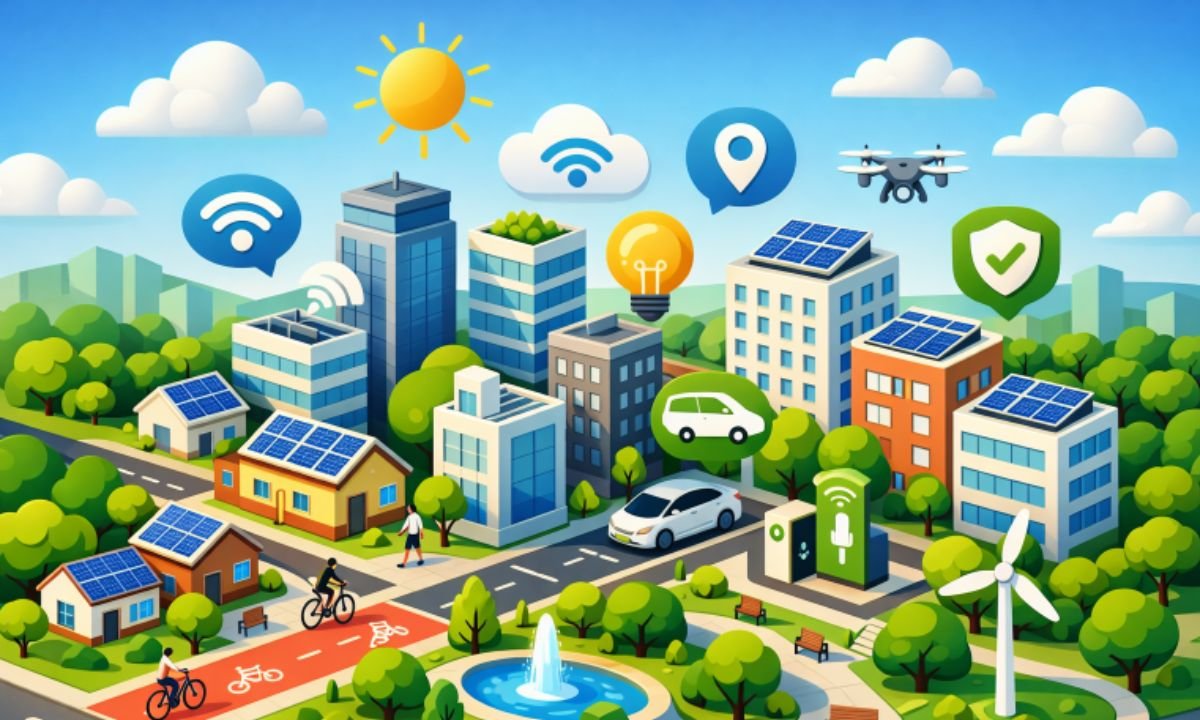
As urban centers around the world experience population growth, cities are turning to cutting-edge ideas to maintain high standards of livability, sustainability, and efficiency. Rethinking how we design and develop urban spaces opens new pathways to healthier, more connected, and environmentally responsible lifestyles. Among the most exciting advancements are luxury developments like Kirkland luxury homes, which blend modern design with eco-friendly practices.
Growing interest in sustainable urban solutions means city planners must prioritize quality of life just as much as infrastructure or economic growth. Today’s urban evolution is about more than just buildings; it’s a holistic transformation that places people and the planet at the center of every strategy.
Green Public Spaces
Green public spaces play a pivotal role in city life by improving both individual well-being and the urban ecosystem. Parks, urban forests, and green roofs are more than aesthetic additions; they offer much-needed recreation spaces, cleaner air, and cooling effects that combat the urban heat island effect. City governments are dedicating more resources than ever to expanding these vital areas, recognizing their contribution to community health and ecological resilience. For residents and visitors alike, access to nature within city limits brings a range of physical and psychological benefits, from reduced stress to enhanced social interaction. According to The New York Times, urban green spaces are essential for adapting cities to climate change, managing stormwater, and creating a sense of connection within neighborhoods.
Smart Health Communities
The integration of advanced technology in urban health services has given rise to the concept of smart health communities. Digital solutions now enable the real-time monitoring of public health, remote consultations, and personalized wellness programs. By leveraging accessible telemedicine services and data-driven interventions, city residents benefit from faster care and more robust health monitoring. Technology is facilitating collaboration between local health departments, hospitals, and residents, making essential care more accessible and responsive to individual and community needs.
The 15-Minute City
Central to the new age of urban development is the 15-minute city model, where everything individuals need is within a short walk or bike ride of their home. This urban design strategy reduces the dependence on cars and limits congestion, traffic, and pollution. It also fosters social interaction and local economic resilience by keeping amenities, jobs, education, and recreation within neighborhood reach. The result is a vibrant urban lifestyle that feels connected, convenient, and community-oriented. The World Economic Forum discusses how this concept can help build healthier, more resilient cities while reducing greenhouse gas emissions and promoting a better work-life balance.
Sustainable Buildings and Infrastructure
The path to a greener urban environment depends on how buildings are constructed, renovated, and maintained. Modern developments are embracing energy-efficient building materials, rooftop solar panels, and innovative energy storage systems to reduce environmental footprints. New advances, such as smart grids and intelligent building management, give property owners precise control over consumption while ensuring a reliable supply of renewable energy. By investing in sustainable infrastructure, cities can not only reduce their carbon emissions but also build resilient systems that quickly adapt to challenges such as natural disasters or power disruptions.
Inclusive Urban Planning
True urban progress requires a commitment to equity and accessibility. Inclusive planning guarantees that city development benefits all groups, from young families to seniors and marginalized communities. This encompasses affordable housing, accessible public transit, and public spaces that foster social connection and civic participation. Thoughtfully designed neighborhoods encourage diversity, stimulate inclusive economic growth, and promote social mobility for everyone, not just the affluent.
Circular Economy in Urban Design
Circular economy principles are transforming how cities manage resources, emphasizing reuse, recycling, and waste reduction. City systems are shifting away from single-use items and landfill dependency, instead designing infrastructure to keep materials in constant circulation. Whether it’s rebuilding roads with recycled materials or integrating compost programs and community repair stations, these approaches drive environmental progress and foster local innovation. According to ArchDaily, the circular economy model boosts sustainability, reduces costs, and creates business opportunities for urban areas.
AI in City Operations
Artificial intelligence is revolutionizing municipal operations, making cities more efficient and adaptive. AI-driven systems are helping coordinate traffic lights, optimize energy use, and enhance emergency response. Predictive maintenance tools flag issues before they become costly failures, while automated reporting streamlines urban management. These advancements not only save money but also improve public service delivery, ensuring that resources are used effectively and that city life continues to run smoothly.
Conclusion
The foundation for future cities rests on the seamless integration of forward-thinking design and sustainable policies. By embracing green spaces, digital healthcare, mixed-use urban planning, resilient infrastructure, inclusivity, circular economics, and AI-powered services, cities position themselves as places where future generations can thrive. As these innovations continue to emerge, urban living becomes synonymous with both efficiency and well-being, ensuring vibrant environments for all.