
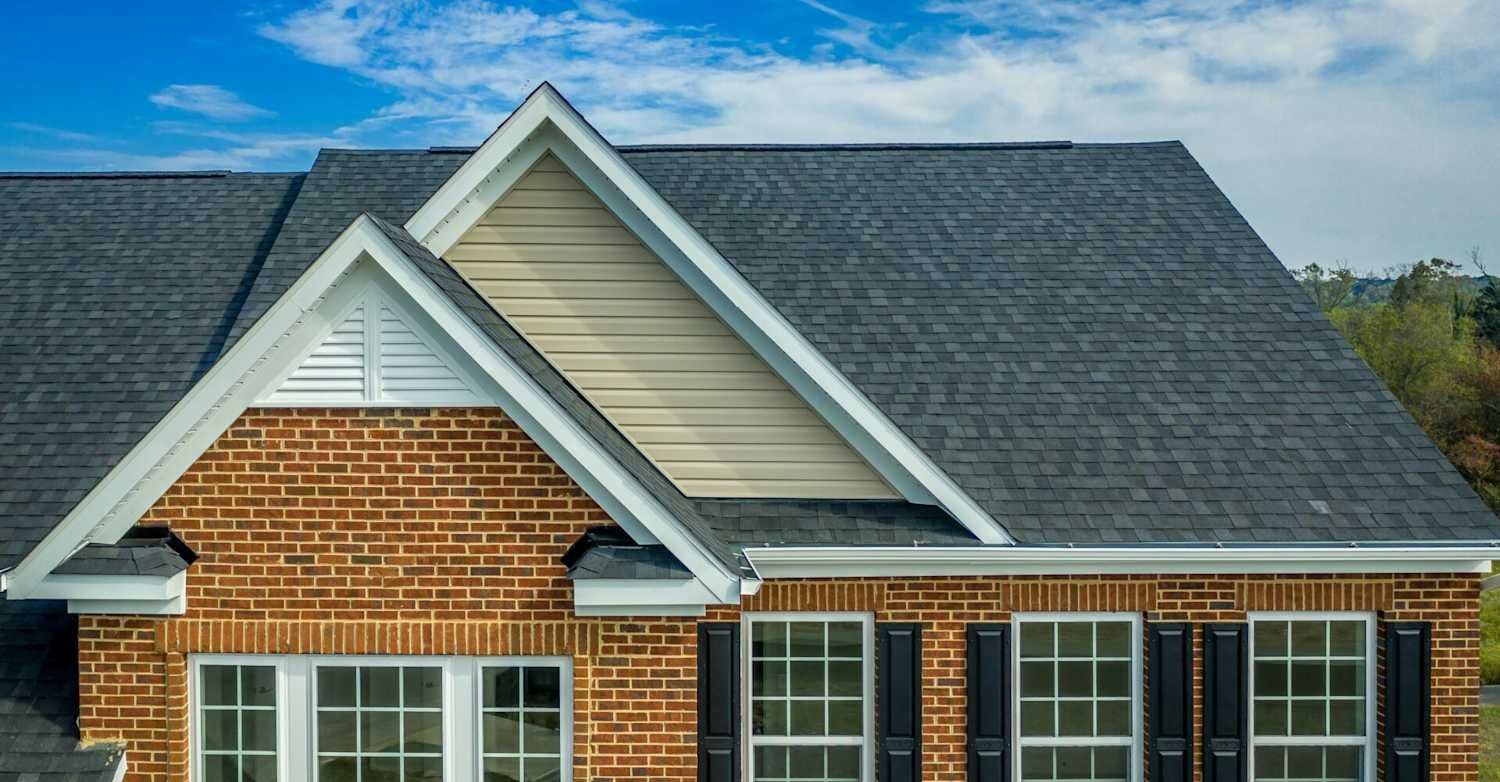
Watching storm clouds gather can trigger two very different emotions for homeowners: peace of mind knowing your roof is built to handle it, or anxiety about potential leaks and damage. The source of that confidence—or concern—often comes down to the fundamental design of your roof. For anyone building a new home or facing a major replacement, the choice between a hip roof and a gable roof is one of the most critical structural decisions you’ll make. It’s a choice that impacts your home’s curb appeal, its resilience against the elements, and your wallet. This definitive guide cuts through the confusion, providing a practical, unbiased comparison to help you determine the optimal roof for your climate, budget, and style.
What Is a Gable Roof? The Classic Pitch
Imagine a child’s drawing of a house. The triangular-shaped roof they sketch is a gable roof. This is one of the most common and recognizable roof styles in North America and for good reason.
Key Characteristics of a Gable Roof
A gable roof, also known as a pitched or peaked roof, is characterized by its two sloping sides that meet at a central ridge. This forms a distinct triangle on the ends of the house, known as the “gable ends.” The steepness of the slope is referred to as the roof pitch. Gable roofs are simple, efficient, and timeless.
What Is a Hip Roof? The All-Sloped Design
Now, picture a roof where all sides slope downward toward the walls. This is a hip roof. There are no vertical gable ends; instead, every side is pitched, creating a more uniform and often more robust structure.
Key Characteristics of a Hip Roof
A hip roof has slopes on all four sides, with each side meeting at a corner, or “hip.” These hips are formed by the intersection of two adjacent roof planes. Common variations include the simple hip roof and the more complex cross-hip roof, which is often used for homes with an L-shaped or T-shaped footprint.
Head-to-Head: The Core Differences
To truly understand which roof is better for your home, we need to break down the key areas of comparison. Let’s dive into the practical pros and cons.
Design and Architectural Style
Your roof defines your home’s character.
- Gable Roof Aesthetics: Gable roofs offer a traditional, classic look. They create a sense of height and space, often associated with Cape Cod, Tudor, and Craftsman-style homes. The large, vertical gable ends provide a perfect canvas for decorative siding or exposed timberwork.
- Hip Roof Aesthetics: Hip roofs project a sense of solidity, stability, and elegance. Their low-slung, self-bracing design is common in French Colonial, Prairie, and Ranch-style homes. The difference between hip roof vs gable roof aesthetics often comes down to a preference for classic simplicity versus sophisticated, streamlined stability.
Construction Complexity and Cost
This is where the rubber meets the road for most homeowners. So, is a hip roof vs gable roof cheaper?
- Gable Roof: The design is straightforward, using common trusses and requiring fewer complex cuts. This simplicity translates into a lower cost of roofing. Fewer seams and a less complicated frame mean lower labor hours for your roofing contractors.
- Hip Roof: The construction is inherently more complex. It requires more precision in framing, more roof lines, and a greater amount of materials (like lumber and underlayment). This increased labor and material cost almost always makes a hip roof the more expensive option upfront.
Verdict: For pure initial cost, the gable roof is the clear winner.
Durability and Performance in Extreme Weather
This is arguably the most critical category, and the performance gap here is significant.
- Wind Resistance: This is the hip roof’s standout feature. The sloped design on all four sides allows wind to blow over and around it smoothly, reducing wind uplift. This makes a hip roof vs gable roof in high wind areas a crucial consideration. Gable roofs, with their large, vertical triangular ends, can act like a sail. High winds can exert tremendous pressure on this wall, potentially causing the roof to peel away or even collapse if not properly braced.
- Snow Load: The pros and cons of gable roof vs hip roof for snow are nuanced. A gable roof’s steeper pitch is excellent at shedding snow quickly, preventing heavy accumulation. However, hip roofs, with their inward slope on all sides, distribute the weight of the snow more evenly across the entire structure, which can be a benefit in regions with extreme, wet snow loads.
Verdict: For durability in high-wind and hurricane-prone regions, the hip roof is superior. For shedding dry snow quickly, a steeply pitched gable roof has the advantage.
Attic Space and Ventilation Potential
What’s happening under the roof matters just as much.
- Usable Space: A gable roof provides a large, open volume of attic space. This can be more easily converted into a living area or used for ample storage. The clear, triangular space is ideal for installing attic ventilation like large gable-end vents.
- Hip Roof Limitations: The inward slope on all four sides of a hip roof dramatically reduces the usable headroom in the attic. This space is often more cramped and difficult to utilize for anything beyond mechanical systems or minimal storage.
Verdict: If you value a spacious, convertible attic or superior ventilation options, the gable roof is the better choice.
Maintenance and Lifespan Considerations
Thinking long-term is key to homeownership.
- Maintenance: When considering which is better a gable roof vs hip roof maintenance, the gable roof is simpler. Its straightforward design has fewer valleys and hips, which are common areas for debris accumulation and potential leaks. A hip roof’s complex network of seams requires more attention to ensure they remain sealed and watertight.
- Lifespan: The lifespan of hip roof vs gable roof is largely dependent on materials and maintenance. However, due to its superior inherent stability and wind resistance, a well-maintained hip roof may have a slight edge in longevity in harsh climates, as it’s less prone to structural damage over decades of exposure.
Making the Right Choice for Your Home
So, which roof is the champion? The answer, as with most things in home improvement, is: it depends. Your local climate, budget, and aesthetic goals will point you in the right direction.
Choose a Gable Roof If:
- Your primary goal is cost-efficiency.
- You live in a region with minimal hurricane or extreme wind risk.
- You want to maximize attic space for storage or a future room.
- You prefer a classic, traditional architectural style.
Choose a Hip Roof If:
- You live in a high wind area or a region prone to hurricanes.
- Your budget allows for a higher initial investment for increased durability.
- You prefer a modern, low-profile, or elegant architectural style.
- Long-term structural resilience is your top priority.
Conclusion: An Investment in Protection and Style
Your roof is more than just a top covering; it’s your home’s first line of defense. The choice between a hip and gable roof involves a careful balance of design preference, budget constraints, and practical performance needs. The gable roof offers an affordable, spacious, and classic solution for many homeowners. In contrast, the hip roof provides superior wind resistance and a distinct aesthetic at a higher initial cost. By weighing the factors of cost, durability, and style, you can move forward with confidence, knowing your choice will protect your home and family for years to come.
Ready to make an informed decision? Consult with a qualified, local roofing contractor who can assess your specific home design, local building codes, and climate challenges to provide a tailored recommendation and quote.
You May Also Like: Can You Paint Vinyl Cladding? The Complete Guide