
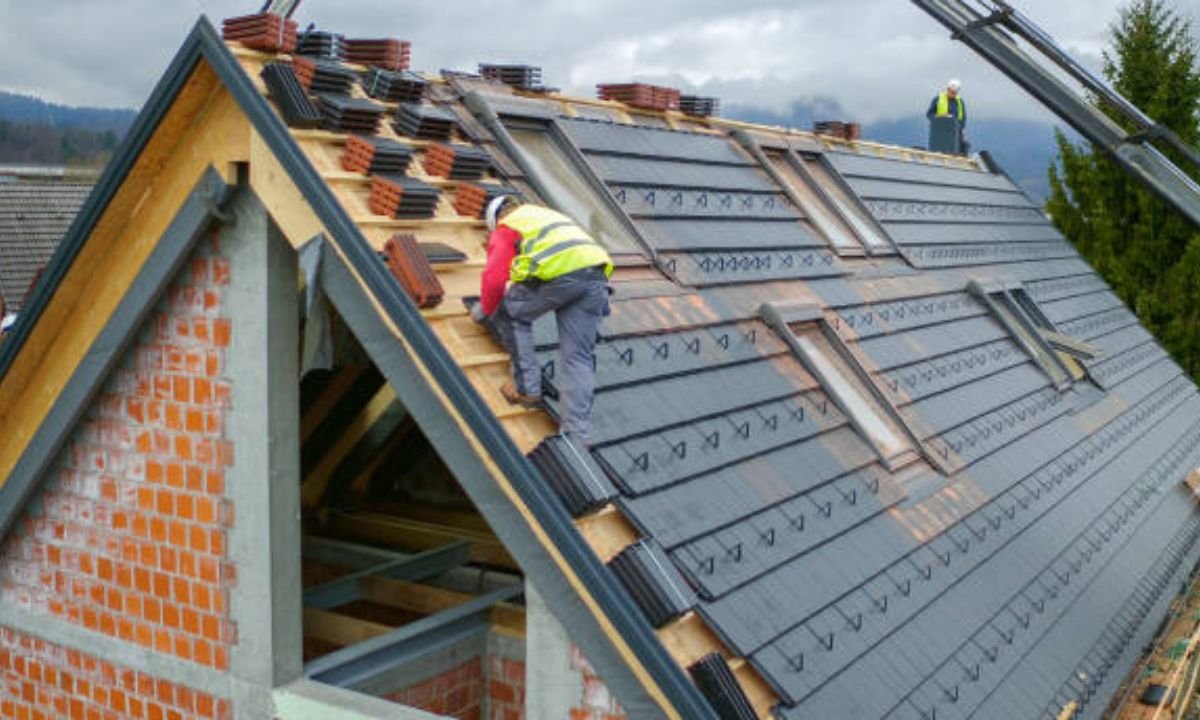
Choosing the right roofing material is a pivotal decision for homeowners. The roof not only protects your home from the elements but also significantly influences its aesthetic appeal and energy efficiency. With an array of options to consider, it is essential to evaluate your needs to select a material that stands the test of time. Whether you are building a new home or planning an upgrade, understanding what each roofing option offers is crucial in your decision-making process. Trusted professionals can help ensure your investment brings lasting value, such as roof & siding installation and replacement.
The durability, style, and maintenance demands of your roofing choice can impact not just daily comfort but also long-term property value. This comprehensive guide will explore popular roofing materials, their pros and cons, and the critical factors every homeowner should assess before making a commitment. Armed with this knowledge, you can confidently move forward with a roofing project tailored to your specific situation.
Asphalt Shingles
Asphalt shingles dominate the residential roofing market across the United States due to their versatility, affordability, and ease of installation. They perform well in a variety of weather conditions and come in a wide selection of colors and styles to suit most architectural designs. The average lifespan ranges from 15 to 30 years, making them a pragmatic option for many homeowners. Nonetheless, they may require more frequent replacement in areas prone to extreme heat or weather events.
Metal Roofing
Metal roofing has surged in popularity for its modern look and exceptional performance. Its inherent strength provides long-lasting protection, with lifespans typically ranging from 40 to 70 years. Metal roofs reflect solar heat, helping reduce cooling costs and increasing the home’s energy efficiency. They are resistant to fire, mold, and insects. On the downside, they can be noisy during heavy rain and often require a higher initial investment compared to asphalt shingles. They’re also lightweight, which makes them an excellent choice for homes that may have trouble supporting heavier materials.
Clay and Concrete Tiles
In neighborhoods where Mediterranean-, Spanish-, or Southwestern-style homes are prevalent, clay and concrete tiles are popular choices. They are prized for their beauty, especially their terracotta coloring, and are highly fire-resistant. These tiles are sturdy and can last upwards of 50 years with proper care. However, they are significantly heavier than other options, require substantial roof support, and tend to cost more, both in materials and installation. Maintenance is relatively low, but repairs can be more challenging due to the weight and fragility of tiles during replacement.
Wood Shakes and Shingles
Wood shakes and shingles lend a charming, natural character to a home. Crafted mainly from cedar, redwood, or pine, they are naturally insulating and allow the roof to “breathe.” Their primary advantage is their appearance, frequently chosen for traditional and cottage-style houses. However, wood materials are susceptible to rot, insect infestation, and mold unless properly maintained. Additionally, these roofing types typically carry a higher fire risk unless treated with fire-resistant chemicals, and may be restricted by building codes in some areas.
Slate Roofing
Slate is renowned for its unparalleled longevity and classic, elegant appearance. A well-installed slate roof can last 75 to 100 years or more, representing a long-term investment. Its natural stone look suits historic or luxury homes particularly well. However, slate is among the heaviest roofing options and requires reinforced roof framing to support it. The cost of both materials and professional installation is above average, but the low maintenance requirements and extended lifespan often justify the expense for those seeking a premium roofing solution.
Synthetic Roofing Materials
Synthetic roofing options, including rubber, plastic, or polymer-based composites, offer homeowners a blend of durability and design flexibility. These materials are crafted to replicate the look of slate or wood while offering increased impact resistance and lighter weight. They are often more affordable and environmentally friendly, with many products made from recycled materials. Additionally, synthetic roofing materials require less maintenance and tend to offer a moderate lifespan, balancing cost and performance.
Factors to Consider When Choosing Roofing Materials
- Climate and Weather Conditions: The prevailing climate in your region should drive material selection. For example, metal and tile roofs excel in hot regions, while asphalt shingles are better for moderate climates. Some materials perform better than others under heavy rain, snow, or strong winds.
- Budget: It is vital to assess not just the upfront cost but also potential long-term maintenance expenses. Higher initial investments in durable materials can translate to cost savings through fewer repairs and replacements.
- Aesthetic Appeal: Your roof’s look should enhance your home’s style. Some materials are better suited to specific architectural styles or neighborhood guidelines, ensuring visual harmony and possible compliance with homeowners’ association rules.
- Durability and Maintenance: Evaluate the expected lifespan and level of maintenance required for each option. Some materials demand more frequent inspections and care, while others can go years with minimal attention.
- Energy Efficiency: Roofing materials with reflective or insulating properties can improve comfort indoors and reduce utility costs by limiting heat transfer.
Conclusion
Selecting the right roofing material is a balance between function, appearance, and cost. Consider your climate, budget, desired look, and willingness to maintain your roof when evaluating the available choices. Each material has unique benefits and challenges. By understanding what each offers, you can choose a solution that not only protects your home but also boosts its curb appeal and long-term value.
 Arthur