
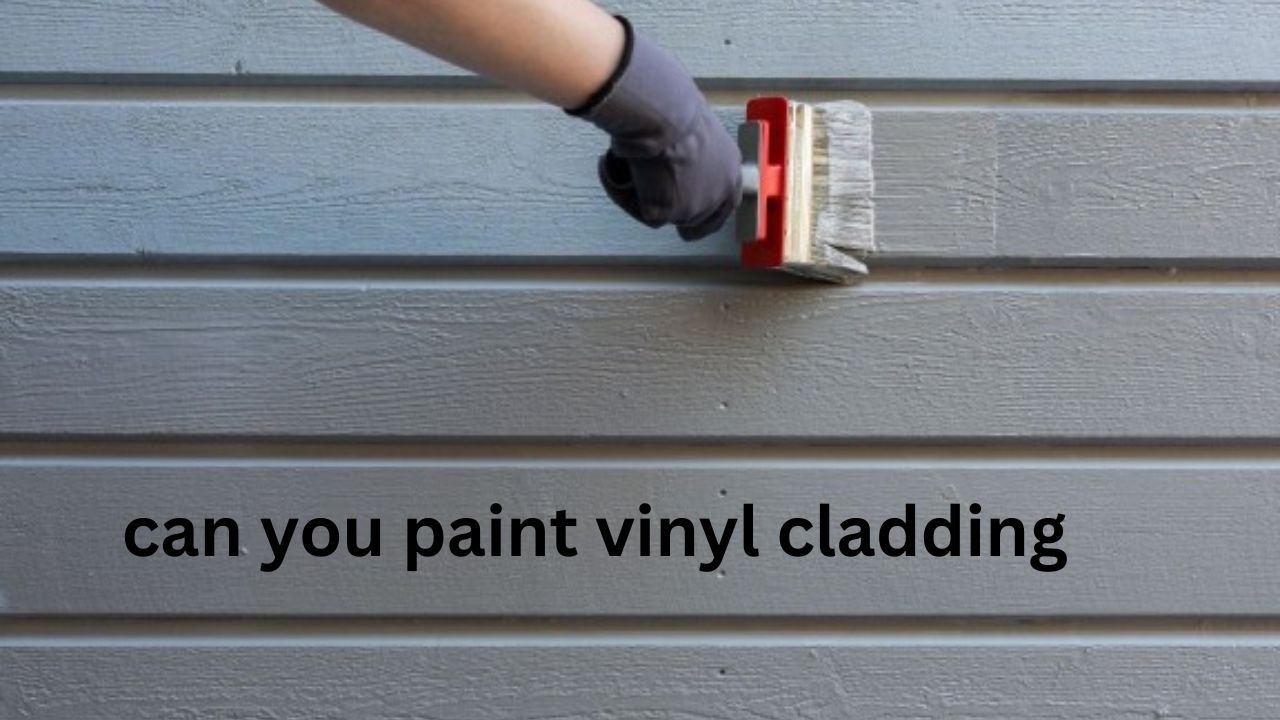
That faded, outdated vinyl cladding on your home’s exterior can feel like a real eyesore. Replacing it is a massive, wallet-draining project, leaving many homeowners wondering: can you just paint it? The answer is a resounding yes, you can—but there’s a major catch. Painting vinyl cladding isn’t like painting wood or metal. If you do it wrong, you could end up with warped, buckled, or peeling siding that costs more to fix than if you’d just replaced it in the first place.
This definitive guide cuts through the confusion. We’ll walk you through the entire process, highlighting the critical, non-negotiable steps that separate a professional, decade-long refresh from a DIY disaster. With the right products and preparation, you can transform your home’s curb appeal for a fraction of the cost.
The #1 Rule of Painting Vinyl Cladding
Before you even think about buying paint, you need to understand this fundamental principle. Vinyl siding is designed to expand and contract with temperature changes. Using the wrong kind of paint creates a film that’s too inflexible, and using a dark color absorbs too much heat. Both mistakes lead to the same result: permanent warping.
The secret to success lies in two key concepts:
- Vinyl-Safe Paint: You must use 100% acrylic latex paint formulated for exterior use. This type of paint remains flexible after it cures, moving with the vinyl instead of cracking or peeling.
- Light Reflective Value (LRV): This is the most critical factor. LRV measures how much light a color reflects. For vinyl, you must choose a color with an LRV equal to or greater than that of your existing vinyl. In simple terms, your new color should not be darker than your current one.
Why Does LRV Matter So Much?
Darker colors absorb solar energy (heat), causing the vinyl to get much hotter than it was designed to handle. This excessive heat softens the material, making it susceptible to warping during its normal expansion and contraction cycle. Sticking with a light color prevents this thermal overload.
Pro Tip: If your cladding is a light beige, you can safely go to a light gray or a crisp white. But if it’s white, painting it a dark charcoal is a recipe for disaster. Most paint manufacturers provide LRV values on their swatches or websites—use them!
What You’ll Need: The Right Tools & Materials
Gathering the correct supplies from the start sets you up for success. Don’t cut corners here.
Cleaning & Prep Materials:
- A powerful garden sprayer or pressure washer (on a LOW setting)
- Exterior cleaner or a mix of trisodium phosphate (TSP) substitute and water
- A long-handled, soft-bristled scrub brush
- Mildewcide (if needed)
- Painter’s tape
- Plastic sheeting to protect plants, fixtures, and foundations
Painting Materials:
- 100% Acrylic Latex Exterior Paint: Specifically labeled as “vinyl-safe.”
- High-Quality Primer: An exterior bonding primer is essential if you are making a significant color change (e.g., from tan to white) or if the surface is chalky or glossy.
- The Right Tools: A high-quality 4-inch sash brush for cutting in around trim and windows, and an airless sprayer for the main surfaces. A sprayer provides a factory-like finish and is highly recommended. A roller and extension pole can be used but may not be as efficient.
Step-by-Step Guide to Painting Vinyl Cladding
Follow these steps meticulously for a durable, professional-looking finish that will last for years.
Step 1: Check the Warranty and Assess the Surface
First, locate the original paperwork for your vinyl cladding. Some manufacturers state that painting will void the product warranty. You need to be okay with this potential risk before proceeding.
Next, do a visual inspection. Look for any cracked, loose, or broken pieces. Paint will not fix structural issues. Replace any damaged sections before you begin. This is also the time to gently push on a few pieces to ensure they are firmly nailed in place and not loose.
Step 2: The Most Important Step – Deep Cleaning
Skipping this step is the #1 reason for paint failure. Vinyl clading accumulates dirt, grime, chalky residue, and mildew that prevent paint from adhering.
- Rinse: Wet the surface with a garden hose.
- Wash: Using a garden sprayer, apply an exterior cleaning solution or a TSP substitute mixture across the entire area. Let it sit for 10 minutes to break down the grime.
- Scrub: Use your soft-bristled scrub brush to agitate the surface, paying extra attention to heavily soiled areas and under trim.
- Rinse Thoroughly: Use a pressure washer on a low-pressure, wide-fan setting (or a garden hose with a nozzle) to rinse everything clean. Hold the wand at a consistent angle to avoid forcing water behind the cladding.
- Dry: Allow the surface to dry completely for at least 24-48 hours.
Step 3: Protect and Mask
Use painter’s tape and plastic sheeting to cover all areas you don’t want painted. This includes:
- Windows and window trim (if you’re not painting them)
- Doors and door frames
- Light fixtures, outlets, and vents
- Roof shingles and foundation
- Landscaping and walkways
Step 4: Apply a Bonding Primer
While some “paint and primer in one” products are marketed for vinyl, a separate, high-quality exterior bonding primer is your best bet for longevity, especially for a significant color change. It provides a superior, uniform surface for the topcoat to grip onto.
Apply the primer thinly and evenly using your sprayer, following the manufacturer’s drying times before moving on. If you are using a brush and roller, maintain a wet edge to avoid lap marks.
Step 5: Apply the Vinyl-Safe Paint
Now for the main event. Check the weather forecast—you need mild, dry conditions. Ideal temperatures are between 50°F and 90°F (10°C and 32°C), with no rain or strong winds in sight for at least 24 hours.
- Stir, Don’t Shake: Stir your paint thoroughly. Shaking can introduce bubbles that will show in your finish.
- Start from the Top: Begin painting at the top of your home and work your way down. This allows you to smooth over any drips from above.
- Spray Technique: If using a sprayer, keep the nozzle at a consistent distance (usually 12 inches) and use steady, overlapping strokes.
- Back-Brush/Roll: Immediately after spraying a section, use a dry brush or roller to “back-brush.” This presses the paint into the texture of the vinyl and ensures even coverage, eliminating any unevenness from the spray.
- Apply a Second Coat: Once the first coat is completely dry to the touch (refer to the paint can for recoat times), apply a second thin coat. Two thin coats are always better than one thick one.
How Long Does Painted Vinyl Cladding Last?
A properly prepared and painted vinyl surface can look fantastic for 7-10 years, and sometimes even longer. The longevity depends entirely on the quality of your prep work, the products you used, and your local climate. Harsh, sun-drenched environments may require a refresh sooner.
FAQs: Your Top Questions, Answered
Does painting vinyl cladding void the warranty?
It very well might. Most vinyl siding and window manufacturers state that painting constitutes an alteration and will void the product’s warranty. Always check your specific product’s warranty documentation first.
What is the best paint for vinyl clad windows?
The same rules apply: a vinyl-safe 100% acrylic latex paint with a high LRV. For windows, use a high-quality brush for precision, taking care not to get paint on the weather seals or in the tracks of operable windows.
Can I paint vinyl a darker color?
It is strongly discouraged and considered high-risk. The science is clear: darker colors absorb more heat, which dramatically increases the likelihood of warping. If you are determined to go darker, you must consult with a paint specialist who can analyze the specific LRV of your existing and desired colors, but be prepared for potential failure.
What’s the cost to paint vinyl cladding yourself?
This is where the project shines. While a full siding replacement can run $15,000 or more, a DIY paint job might cost you $200 to $800 for all materials (paint, primer, cleaner, sprayer rental). Hiring a professional painter will be more, typically $1,500 to $4,000, but it’s still a fraction of the replacement cost.
Transforming your home’s exterior by painting vinyl cladding is one of the most cost-effective exterior renovation projects you can tackle. The key to success isn’t complexity—it’s discipline. By choosing a vinyl-safe paint with a high Light Reflective Value (LRV), dedicating time to meticulous paint adhesion preparation, and applying the paint correctly, you can achieve a beautiful, long-lasting result that breathes new life into your home. For complex situations or multi-story homes, don’t hesitate to consult a professional painting contractor to ensure the job is done safely and perfectly.
You May Also Like: Peel and Stick Wallpaper on Wallpaper: A Practical Guide
 Arthur