
Introduction
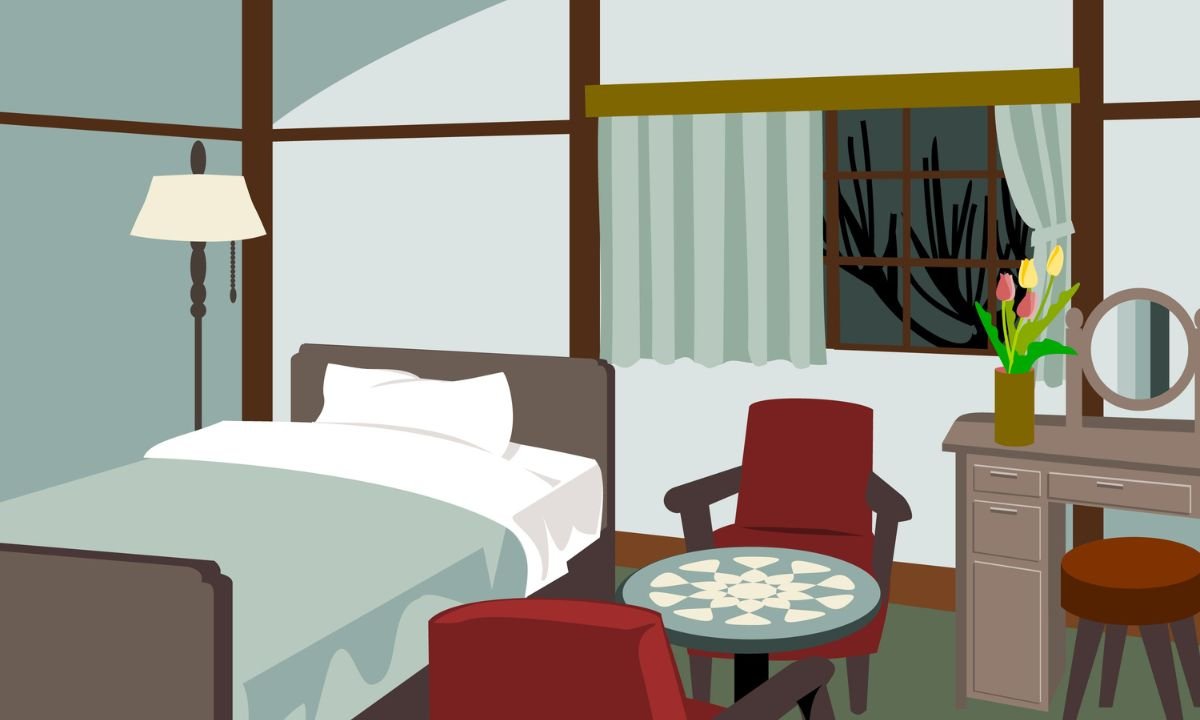
Open with a simple pain point: many bedrooms feel mixed, flat, or unfinished even when the pieces are nice on their own. In the first paragraph, place the anchor text designer bedroom furniture naturally. Explain that the fastest way to create a calmer room is not always repainting, rebuilding, or starting over. Sometimes, the right bed, nightstand, or bench can do the heavy lifting. Briefly promise practical ideas on layering, spacing, and styling. Use one primary keyword here, such as upgrade bedroom without redesign.
Why Can One Furniture Change Make a Bedroom Feel More Put Together?
Explain that larger furniture pieces set the mood of the room. A bed frame, bedside table, or storage piece can act as a visual anchor and guide the rest of the look. This is where you bring in furniture anchoring, bedroom composition, and design cohesion. Keep the language easy and visual. Show that a strong main piece helps older or simpler decor feel more intentional instead of random. Use furniture design for bedroom once.
How Does Designer Bedroom Furniture Help Build Layers?
Talk about layering in a bedroom in a simple way: shape, material, height, and texture. A soft upholstered bed, warm wood nightstand, or slim bench can add depth without crowding the room. Mention how this supports visual continuity and style consistency. Keep the focus on how good furniture gives the room a base layer, so bedding, rugs, lamps, and art feel connected. This section should make the room feel lived-in but not messy.
What Makes a Bedroom Look Cohesive Instead of Busy?
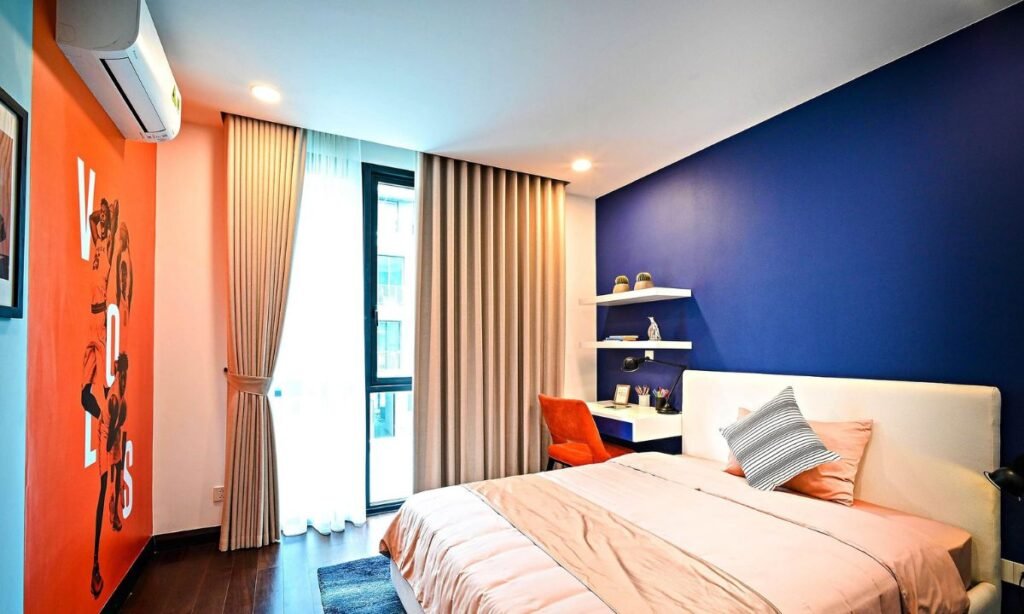
Use practical design points inspired by the reference article: keeping common threads in color or material, grouping items with purpose, and leaving some breathing room. Bring in cohesive bedroom decor, negative space usage, and decor integration. Explain that not every item needs to match, but the room should feel like the pieces belong to the same story. This is a great place to mention that balance often comes from contrast, not sameness.
How Can You Upgrade a Bedroom Without Redesigning the Whole Space?
Give clear, helpful steps:
Start with the biggest piece first.
Match scale before color.
Use bedside pieces to frame the bed.
Add one or two accents only.
Keep clear paths around the room.
Turn these into short flowing paragraphs rather than bullets if you want a smoother editorial feel. Naturally include bedroom interior styling tips, spatial flow, proportion balance, and aesthetic alignment. Use upgrade bedroom without redesign once here if it was not used in the introduction.
Should Everything Match in a Bedroom?
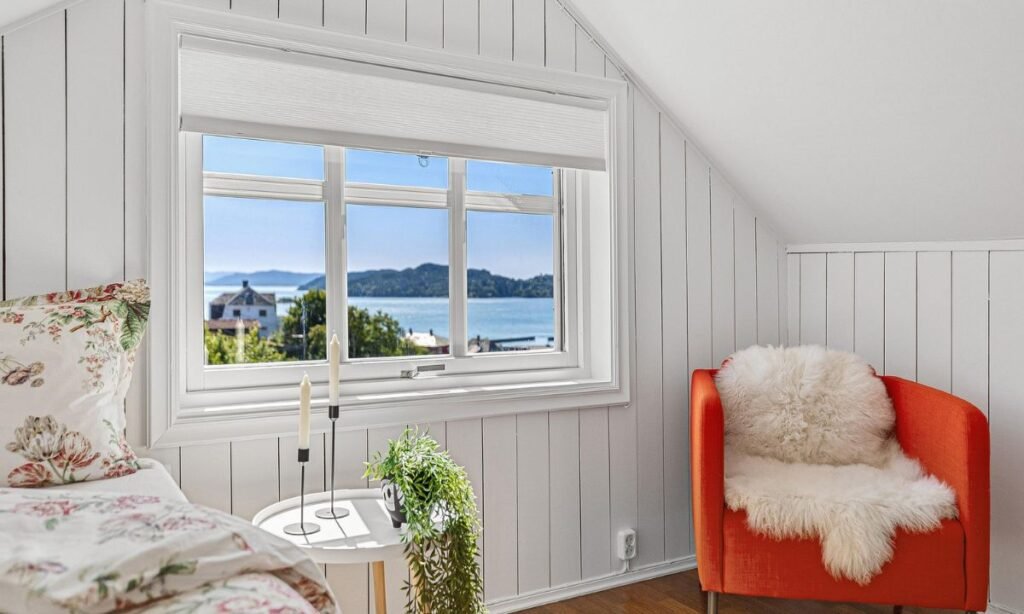
Answer: no, but it should relate. Explain symmetry in design and asymmetrical layouts in plain words. For example, matching bedside tables create a calm look, while different pieces can still work when they share tone, line, or scale. Mention bedroom zoning by showing how the sleep area, reading corner, or dressing area can feel linked through furniture choices. Keep this section light and easy.
Conclusion
Wrap up with a reassuring takeaway: a layered bedroom does not need a full makeover. The right furniture can anchor the room, improve flow, and make existing decor feel more settled.
 Admin
Admin