

- Memory foam mattresses offer superior pressure point relief and motion isolation, making them ideal for side sleepers or those with back pain, but they may trap heat and lack bounce.
- Hybrid mattresses provide better cooling through pocketed coils, stronger edge support, and more responsiveness, suiting couples with differing preferences or stomach/back sleepers, though they’re often pricier and heavier.
- Research suggests both can improve sleep quality, but hybrids tend to last longer (8-10 years vs. 6-8 for memory foam) and offer balanced support.
- Evidence leans toward hybrids for hot sleepers due to airflow, while memory foam excels in contouring for joint relief.
- The best choice depends on your sleep posture and needs; side sleepers may prefer memory foam’s hug, but many top-rated options are hybrids with foam layers.
Quick Comparison Table
Here’s a simple table to make a table comparing memory foam vs hybrid mattresses:
| Feature | Memory Foam | Hybrid |
|---|---|---|
| Construction | All-foam layers, viscoelastic foam | Foam over pocketed coils |
| Price (Queen) | $800-$2,500 | $1,200-$3,000 |
| Cooling | Can trap heat; gel helps | Better airflow |
| Durability | 6-8 years | 8-10 years |
| Motion Isolation | Excellent | Good |
| Edge Support | Fair | Strong |
| Best For | Side sleepers, pressure relief | All positions, couples |
Who Should Choose What?
If you’re a side sleeper seeking deep pressure point relief, go for memory foam. For back pain relief or if you share a bed, hybrids often provide the support needed without controversy over which is “best,” as personal fit varies. Always test in-store if possible.
Tips for Buying
Consider your body type: heavier individuals benefit from hybrid’s support. Check for cooling gel technology in either to address hot sleeping. Prices differ, with hybrids costing more but lasting longer.
Tossing and turning through another restless night can leave you groggy and frustrated, especially when your old mattress just doesn’t cut it anymore. Maybe you’re a side sleeper dealing with nagging hip pain, or perhaps you and your partner can’t agree on firmness levels. Upgrading your mattress could be the key to better sleep tonight, and with so many options out there, it’s easy to feel lost in the specs. This guide breaks it down simply: we’ll make a table comparing memory foam vs hybrid mattresses, highlighting key differences in materials, comfort, and performance. Whether you’re researching new mattress technologies like cooling gel technology or wondering about mattress durability, you’ll get the facts to choose what fits your sleep style and body type. Let’s dive in and help you wake up refreshed.
Understanding Memory Foam Mattresses
Picture sinking into a cloud that hugs every curve of your body after a long day. That’s the magic of a memory foam mattress. Originally developed by NASA in the 1960s for astronaut seating, this technology has evolved into a staple for everyday sleepers.
What is Memory Foam?
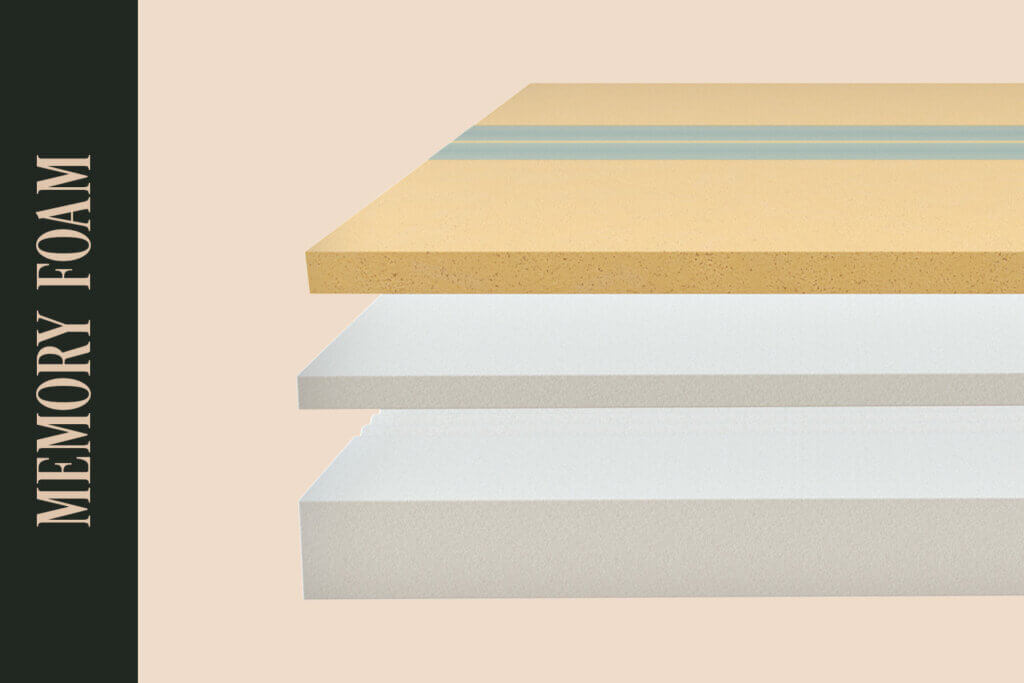
Memory foam, or viscoelastic foam, is made from polyurethane that’s treated to respond to heat and pressure. When you lie down, it softens and molds to your shape, creating a cradling effect. Most models feature multiple layers: a top comfort layer for that signature hug, transitional foams for support, and a dense base to keep everything stable. No coils here, just foam all the way through.
This setup shines for pressure point relief, easing tension in areas like your shoulders and hips. But keep in mind, traditional versions can trap heat, leading to warmer nights. Modern designs often incorporate cooling gel technology to wick away moisture and improve airflow.
Source: loganandcove.ca
Pros and Cons of Memory Foam
Let’s weigh the benefits. On the plus side, memory foam excels at motion isolation, absorbing movements so you won’t feel your partner shifting. It’s also quiet, with no creaky springs to disturb light sleepers. For those with allergies, the dense structure resists dust mites and mold.
Drawbacks? That sinking feeling can make it harder to change positions, especially if you prefer a bouncier surface. Off-gassing, or that new-mattress smell from manufacturing chemicals, might linger for a few days. And while prices start low, higher-end models with advanced cooling can climb up.
If you’re a side sleeper or someone seeking deep contouring, this could be your match. Just test for firmness: softer options suit lighter folks, while firmer ones support heavier builds.
Exploring Hybrid Mattresses
Now, imagine combining the best of foam’s comfort with the sturdy bounce of traditional springs. That’s a hybrid mattress in a nutshell. These beds blend modern foams with coil systems for a versatile sleep experience.
What is a Hybrid Mattress?
A hybrid typically layers foams (like memory or latex) over a core of pocketed coils, which are individually wrapped springs that move independently. This design promotes airflow and responsiveness, while the top layers add cushioning. Unlike old-school innersprings, hybrids minimize noise and motion transfer thanks to those wrapped coils.
The result? A balanced feel that’s not too sinky or too firm. Many include zoned support, where coils vary in strength to bolster areas like your lower back. This makes them great for edge support, letting you sit or sleep near the sides without rolling off.

Source: casper.com
Pros and Cons of Hybrid Mattresses
Hybrids stand out for their responsiveness, making it easy to switch positions during the night. The coils enhance breathability, so they sleep cooler than all-foam beds, a boon for hot sleepers. Durability is another win: expect them to hold up well under daily use.
On the flip side, they’re heavier, which can make setup a chore. Prices tend to be higher due to the complex build, and some models might still transfer a bit of motion if the coils aren’t top-quality. If you value bounce for activities like getting in and out of bed (or more intimate moments), hybrids deliver.
Couples with differing firmness preferences often love them, as the mix caters to various needs without compromise.
Key Comparison: Make a Table Comparing Memory Foam vs Hybrid Mattresses
To simplify your decision, here’s a detailed table comparing memory foam vs hybrid mattresses across essential categories. We’ve drawn from expert tests and real-user insights to highlight strengths and trade-offs.
| Category | Memory Foam | Hybrid |
|---|---|---|
| Construction | Layers of viscoelastic foam over polyfoam base; no coils | Foam comfort layers (often memory foam) over pocketed coils for support |
| Feel and Comfort | Hugging, contouring; slow response like a gentle sink | Balanced, responsive; bouncy with some contouring |
| Price Range (Queen) | $800 to $2,500 (budget options from $250) | $1,200 to $3,000 (higher due to coils) |
| Cooling Properties | Can retain heat; improved with gel or open-cell designs | Superior airflow through coils; cooler overall |
| Motion Isolation | Excellent; absorbs vibrations well | Good, especially with pocketed coils; some transfer possible |
| Edge Support | Fair; more sinkage at edges | Strong; coils prevent rolling off |
| Responsiveness | Slower; harder to move on | Faster; easier position changes |
| Pressure Point Relief | Superior contouring for joints | Good, with targeted support zones |
| Mattress Durability | 6-8 years; may sag over time | 8-10 years; coils add longevity |
| Off-Gassing | Noticeable initially; fades quickly | Similar, but less intense |
| Weight | Lighter and easier to move | Heavier due to coils |
| Best For Sleep Posture | Side sleepers; cradles hips and shoulders | Back/stomach sleepers; supports spine alignment |
This table makes it clear: memory foam leans toward deep relief, while hybrids offer versatility. For example, if you’re comparing cooling properties of hybrid vs memory foam, hybrids win for breathability.
Factors to Consider When Choosing Between Memory Foam and Hybrid
Choosing a mattress isn’t one-size-fits-all. Think about your daily sleep struggles: do you wake up sore, or sweaty?
Sleep Posture and Body Type
Your position matters. Best mattress for side sleepers memory foam or hybrid? Memory foam often edges out for its cradling, reducing pressure on wider hips and shoulders. But hybrids with plush tops, like those from Helix, work well too, especially if you switch positions.
Back sleepers benefit from hybrid’s support to keep the spine neutral. Stomach sleepers? Hybrids prevent excessive sinking that could strain your neck. For heavier folks over 230 pounds, hybrids provide robust coil support to avoid bottoming out.
Back Pain Relief
Struggling with aches? Memory foam vs hybrid for back pain relief boils down to alignment. Memory foam contours closely, easing tension points, but hybrids’ coils promote better posture, potentially reducing chronic issues. A medium-firm hybrid might be ideal if you need both relief and structure.
Couples and Motion Transfer
If you share a bed, motion isolation is key. Memory foam minimizes disturbances from fidgety partners. Hybrids improve on this with pocketed coils, but pure foam still leads. For differing firmness needs, hybrids’ balanced feel often bridges the gap.
Budget and Longevity
Price difference between hybrid and foam mattresses? Expect to pay 20-50% more for hybrids, but their longer lifespan (ask: how long do hybrid mattresses last compared to foam?) makes them cost-effective over time. Factor in warranties: many cover 10+ years.
Rhetorical question: Why skimp on something you use every night? Invest wisely.
Recent Innovations in Mattress Technology
Mattress tech isn’t standing still. Recent advances address common complaints like heat and support.
For memory foam, cooling gel technology infusions pull heat away, with brands like Saatva adding air channels for better flow. Hybrids boast zoned coils that target lumbar areas, plus eco-friendly materials like organic latex.
Smart features are emerging: adjustable firmness via apps, or sleep trackers embedded in the bed. These blend with hybrids for customizable comfort, appealing to tech-savvy shoppers.
Pro tip: Look for CertiPUR-US certified foams to avoid harmful chemicals.
Common Pitfalls to Avoid When Buying a Mattress
Don’t rush in. Common mistakes include ignoring your sleep trial period: most brands offer 100+ nights to test. Skip that, and you might regret it.
Overlooking firmness is another: what feels plush in-store might soften at home. Measure your space too, hybrids are bulkier.
Finally, beware of hype around “universal” beds. Test for your needs, perhaps visiting a showroom.
Conclusion
In summing up, memory foam delivers that enveloping comfort with top-notch isolation, while hybrids bring bounce, cooling, and durability to the table. Your pick hinges on posture, budget, and preferences: side sleepers might lean foam, couples hybrids. Whichever way, a quality mattress transforms your rest. Ready to upgrade? Browse trusted brands or consult a sleep specialist for personalized advice today.
You May Also Like: Why Interior Design is Interesting Mintpaldecor
 Arthur