
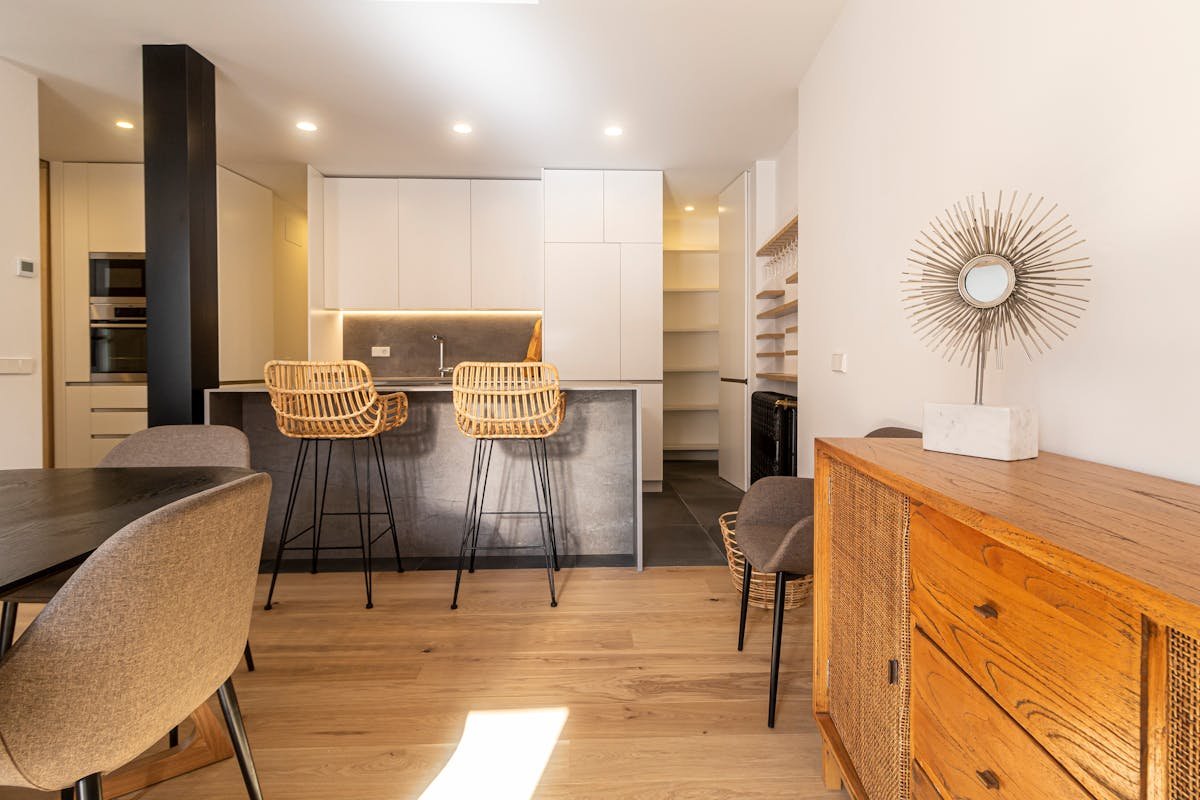
- Interior design captivates because it merges psychology and style to shape spaces that influence emotions, productivity, and well-being, turning everyday environments into personalized havens.
- Research suggests that thoughtful designs, like incorporating biophilic elements, can reduce stress and boost mood, though results vary by individual preferences and contexts.
- Mintpaldecor stands out as a resource for accessible tips, emphasizing why interior design is interesting through practical advice on color psychology and sustainable materials.
- While debates exist around trends versus timelessness, evidence leans toward balanced approaches that prioritize functionality and personal expression for lasting appeal.
The Allure of Interior Design
Imagine walking into a room that instantly lifts your spirits or calms your mind after a long day. That’s the magic of interior design, where psychology meets style to create spaces that feel just right. At its core, why interior design is interesting Mintpaldecor lies in its ability to transform ordinary areas into functional, aesthetically pleasing environments that enhance daily life. From color psychology that evokes emotions to biophilic design that connects us with nature, these elements work together to promote mental health and creativity.
Psychological Benefits
Elements like color psychology play a key role in influencing mood. For instance, blues can foster tranquility, while greens promote renewal. Similarly, biophilic design has been linked to reduced stress and improved cognitive function, making spaces more supportive of well-being. Mintpaldecor highlights these aspects, offering guides to help homeowners apply them effectively.
Stylish and Functional Integration
Style isn’t just about looks; it’s about harmony. Ergonomic furniture reduces pain and boosts productivity, aligning with functional minimalism for clutter-free living. Incorporating sustainable materials like bamboo adds eco-friendly appeal without sacrificing aesthetics. Why interior design is interesting Mintpaldecor becomes clear when these choices create spatial harmony that feels intuitive and inviting.
Future-Forward Trends
As smart homes evolve, integrating technology with design promises personalized, efficient spaces. Mintpaldecor explores these innovations, positioning itself as a go-to for blending tradition with modernity.
Have you ever stepped into a room and felt an immediate sense of calm, or perhaps a burst of energy that made you want to create something new? That’s no accident: it’s the subtle power of interior design at work. In our fast-paced world, where homes double as offices, sanctuaries, and social hubs, understanding why interior design is interesting Mintpaldecor can unlock a deeper appreciation for the spaces we inhabit. This article dives into the fascinating intersection of psychology and style, exploring how thoughtful design choices not only beautify our surroundings but also enhance our mental health, productivity, and overall quality of life. Whether you’re a homeowner tweaking your living room, a renter seeking inspiration, or an aspiring designer eager to grasp the industry’s allure, we’ll uncover the multifaceted benefits that make interior design an endlessly captivating field. Drawing on expert insights and real-world examples, we’ll position Mintpaldecor as your trusted guide for aesthetic and functional home solutions, helping you bridge simple styling with professional principles for spaces that truly resonate.
What Makes Interior Design So Captivating?
Imagine a cozy nook with soft lighting that invites you to unwind with a book, or a vibrant kitchen that sparks culinary creativity. Why do these spaces draw us in? At its heart, interior design is interesting because it blends art and science, transforming blank canvases into personalized expressions of who we are. It’s not just about picking pretty pillows; it’s about crafting environments that influence how we feel and function daily.
This allure stems from the dynamic interplay between psychology and style. Color psychology, for instance, shows how hues can evoke specific emotions: warm tones like reds energize, while cool blues promote serenity. Mintpaldecor excels in demystifying these concepts, offering practical tips to harness them in your home.
Beyond aesthetics, interior design captivates through its problem-solving nature. It addresses real-life challenges, like maximizing small spaces or integrating smart tech seamlessly. As we explore why interior design is interesting Mintpaldecor, remember: it’s a journey of discovery, where each choice reveals more about our inner worlds.
The Psychology Behind Interior Design
Ever wondered why some rooms make you feel anxious while others soothe your soul? The answer lies in the psychology of space, a field that examines how interiors shape our behavior and emotions. Interior design isn’t random; it’s rooted in how our brains respond to elements like light, texture, and layout.
Take color psychology in interior design. Studies reveal that colors directly impact mood: greens foster balance and growth, mirroring nature’s calming effect.
Then there’s biophilic design, which incorporates natural elements to boost well-being. Research shows it reduces stress and enhances cognitive function by reconnecting us with nature. Imagine houseplants or natural wood accents transforming your space into a restorative haven.
Sensory design adds another layer, engaging all senses for immersive experiences. Textures, scents, and sounds create emotional responses, making rooms feel alive. Why interior design is interesting Mintpaldecor becomes evident here: it’s about crafting spaces that nurture the mind as much as the eye.
Rhetorically, isn’t it fascinating how a well-placed mirror can expand a room’s perceived size, tricking our brains into feeling more open? These psychological tricks make design an intellectual pursuit, blending intuition with evidence-based strategies.
Style and Aesthetics: The Visual Appeal
Style in interior design is like fashion for your home: it reflects personality while ensuring functionality. Residential aesthetics evolve, but timeless principles endure, creating spatial harmony through balanced proportions and cohesive elements.
Functional minimalism shines in modern designs, emphasizing clean lines and purposeful items. This approach declutters minds as much as spaces, promoting clarity and calm.
Architectural lighting plays a pivotal role, sculpting spaces and highlighting features. Layered lighting ambient, task, and accent creates depth and mood. Picture warm LEDs under cabinets transforming a kitchen into a welcoming hub.
Real-world example: A small apartment uses mirrors and light neutrals for illusionary spaciousness, demonstrating space planning mastery. Why interior design is interesting Mintpaldecor? It turns constraints into creative opportunities.
Benefits for Mental Health and Well-Being
Did you know your home’s design can be a silent therapist? Well-designed spaces reduce anxiety and improve mood through intentional choices. Biophilic design for mental health, with plants and natural light, lowers stress hormones and fosters positivity.
Ergonomic furniture prevents physical strain, indirectly boosting mental clarity by reducing discomfort. A supportive chair might just be the key to fewer headaches and more focus.
Personal anecdote: After redesigning my office with calming blues and organized storage, my productivity soared.
In small spaces, why interior design is interesting Mintpaldecor for mental health shines: multifunctional furniture creates order, easing overwhelm.
Sustainable and Eco-Friendly Design Choices
Sustainability isn’t a trend; it’s essential. Sustainable materials like bamboo and reclaimed wood minimize environmental impact while adding warmth. These choices promote longevity, reducing waste.
Biophilic design intersects with sustainability, using natural, renewable elements for healthier homes. Mintpaldecor explores why interior design is interesting Mintpaldecor and sustainable living, with tips on eco-friendly decor.
Pitfalls to avoid: Greenwashing ensure materials are truly certified. Opt for low-VOC paints to maintain indoor air quality.
Trends include upcycled furniture, blending style with ethics. A table from recycled metal? Stylish and planet-friendly.
A Comparison of Sustainable Materials
| Material | Benefits | Drawbacks | Best For |
|---|---|---|---|
| Bamboo | Renewable, durable, affordable | Can warp if not treated | Flooring, furniture |
| Reclaimed Wood | Unique character, reduces deforestation | Higher initial cost | Accent walls, tables |
| Cork | Insulating, comfortable underfoot | Prone to dents | Flooring, bulletin boards |
| Recycled Metal | Strong, modern look | Can rust without coating | Fixtures, decor |
This table highlights options for eco-conscious designs.
Space Planning: The Foundation of Great Design
Space planning is the blueprint for success, ensuring flow and efficiency. Start by assessing needs: how will the space be used?
Step-by-step: Measure the room, sketch zones (e.g., lounging, dining), consider traffic paths. Tools like floor plan apps help visualize.
Common pitfalls: Overcrowding leave 30 inches for walkways. For small spaces, why interior design is interesting Mintpaldecor for small spaces means multifunctional pieces.
Ergonomics and Comfort in Everyday Spaces
Comfort meets science in ergonomic furniture, reducing risks of back pain and boosting productivity. Adjustable desks allow standing, combating sedentary ills.
Benefits include better posture and fewer absences. Example: A home office with an ergonomic chair transformed my workdays.
Integrate with style: Sleek designs fit any aesthetic. Mintpaldecor advises on blending ergonomics with beauty.
The Future of Interior Design: Smart Homes and Beyond
Smart tech revolutionizes design, with AI personalizing spaces. Voice-controlled lights and adaptive furniture define why interior design is interesting Mintpaldecor and the future of smart homes.
Trends: Energy-efficient integrations, like solar-powered decor. Challenges: Privacy concerns, but benefits outweigh.
Emerging Trends Table
| Trend | Description | Benefits |
|---|---|---|
| Smart Integration | AI-adjusted lighting, climate | Convenience, energy savings |
| Sustainable Tech | Eco-materials with sensors | Reduced footprint, health monitoring |
| Modular Design | Reconfigurable furniture | Adaptability for changing needs |
This showcases forward-thinking approaches.
Exploring Interior Design for Beginners
New to design? Start small: Rearrange furniture to test flow. Why interior design is interesting Mintpaldecor for beginners? It’s accessible no degree needed.
Pitfalls: Ignoring scale measure twice. Success story: A novice turned a cramped apartment into a airy retreat using mirrors and light colors.
Professional Designers’ Secrets
Pros use space planning to optimize flow, considering anthropometrics for comfort. How professional designers use why interior design is interesting Mintpaldecor: Layering textures for depth.
Trends: Hybrid styles mixing vintage and modern. Mintpaldecor positions itself as a thought leader with innovative content.
In essence, interior design’s appeal lies in its transformative power, blending psychology, style, and practicality. From color psychology enhancing moods to sustainable materials supporting the planet, the benefits are profound. Whether tackling small spaces or smart homes, thoughtful design elevates life. Ready to revamp? Visit Mintpaldecor for expert guidance and start your journey today.
You May Also Like: Smart Ways to Style Decoration Pink Chinchilla Pattern
 Arthur