
Luxury properties in Northern Virginia are often admired for their effortless elegance, but what appears effortless is usually the result of disciplined planning, ongoing care, and highly specialized craftsmanship. Behind every perfectly framed driveway, sculpted garden, and balanced façade is a coordinated system of landscape management and architectural detailing that works year-round.
These estates are not maintained through occasional upgrades. They are carefully curated environments where nature and structure are continuously refined to preserve harmony, safety, and long-term value.
The hidden discipline behind luxury curb appeal
Curb appeal at the highest level is not just about appearance. It is about structure, proportion, and health. Large estates in Northern Virginia often span extensive grounds, which means every visual element must also serve a functional purpose.
Property managers and homeowners typically focus on three core principles:
- Long-term tree and soil health
- Architectural consistency across outdoor structures
- Seasonal adaptability for weather and growth cycles
When these elements are aligned, the result is a landscape that feels both natural and intentionally designed.
Living landscape architecture: trees, structure, and balance
Trees are one of the most defining features of a luxury estate. They frame sightlines, provide shade, and establish scale. However, without proper management, they can also become overgrown, unsafe, or visually unbalanced.
It is where professional oversight becomes essential. Maintaining mature trees requires an understanding of biology, growth patterns, and structural integrity.
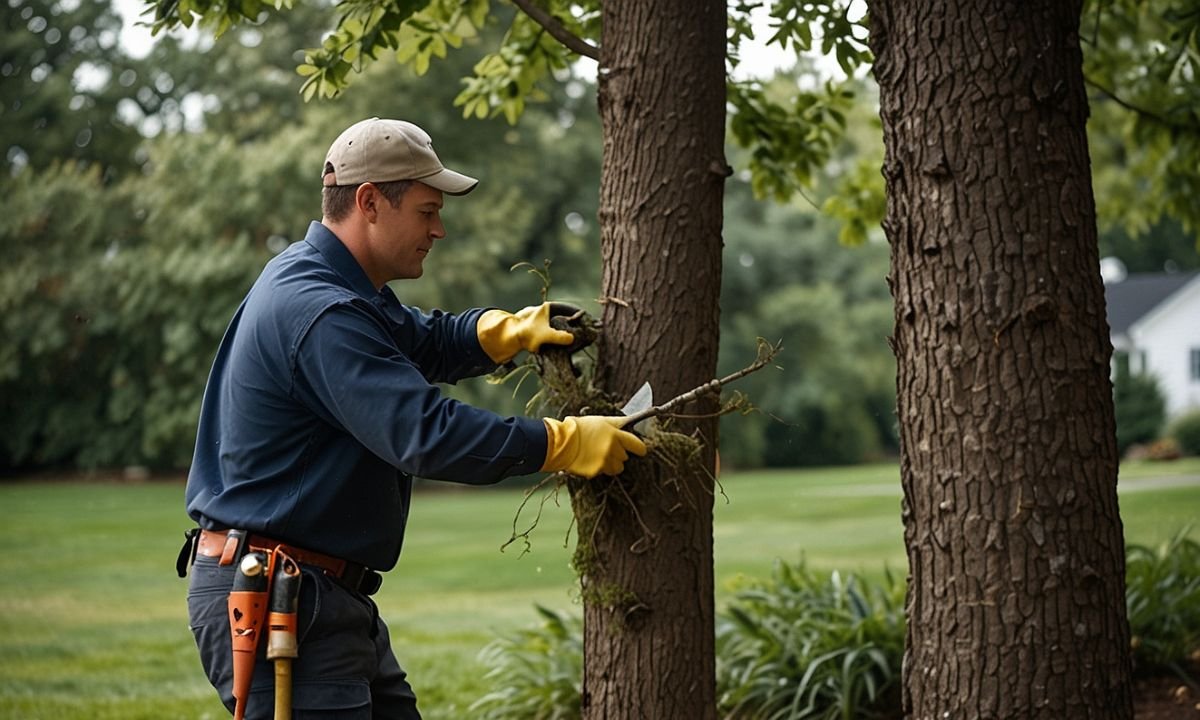
Experts such as Vienna tree care specialists emphasize proactive maintenance rather than reactive trimming. That includes careful pruning to preserve canopy shape, monitoring for disease, and ensuring that branches do not compromise roofs, walkways, or power lines.
When done correctly, tree care does more than protect property. It enhances architectural visibility, improves sunlight distribution across gardens, and creates a more cohesive visual flow across the entire estate.
Seasonal maintenance standards that define elite properties
One of the key differences between standard landscaping and estate-level care is seasonality. Luxury properties are not maintained in cycles of neglect and repair. Instead, they follow a continuous refinement schedule.
Typical seasonal priorities include:
- Spring: soil revitalization, structural pruning, and early growth shaping
- Summer: irrigation balance, canopy management, and pest monitoring
- Autumn: leaf management, root protection, and preparation for dormancy
- Winter: structural assessment and preventative trimming
Each season builds on the last, ensuring that no aspect of the landscape is left to chance.
This level of care creates consistency. Even during off-peak seasons, the property retains its visual strength and structural integrity.
The role of design cohesion across outdoor spaces
Beyond plant life, luxury estates depend heavily on architectural harmony. It includes patios, pergolas, fencing, entry gates, and decorative woodwork. When these elements are mismatched or poorly maintained, even the most beautiful landscape can feel fragmented.
Elite properties avoid this issue by treating outdoor structures as extensions of the home itself. Materials, finishes, and proportions are carefully selected to reflect the main residence.
That is where craftsmanship becomes just as important as landscaping.
Blending nature with craftsmanship in outdoor living spaces
A defining feature of high-end estates is the seamless transition between natural and built environments. Gardens do not feel separate from the home; they feel integrated into it.
Wooden structures, in particular, play a major role in this balance. Pergolas, gazebos, terraces, and custom trim work help tie together the property’s organic and architectural elements.
A custom carpentry company in Northern Virginia often bridges this gap by designing and building features that match the scale and style of luxury homes. Rather than using prefabricated components, these specialists create tailored structures that align with existing architecture, ensuring continuity in design language across the entire estate.
The result is a unified aesthetic where outdoor living spaces feel intentional, refined, and permanently connected to the home.
The importance of material selection and detailing
In high-end property design, materials matter as much as structure. The difference between standard and luxury curb appeal often comes down to subtle choices such as:
- Wood grain consistency and treatment quality
- Fastener visibility and finish detailing
- Paint and stain coordination with exterior palettes
- Weather resistance without sacrificing aesthetics
Attention to these details ensures that outdoor elements age gracefully rather than deteriorate visually.
Common mistakes that diminish estate-level curb appeal
Even well-maintained properties can lose their impact if certain mistakes are repeated over time. Some of the most common include:
- Over-pruning trees, leading to unnatural shapes and weak regrowth
- Mixing inconsistent architectural styles across outdoor structures
- Ignoring seasonal transitions in landscape care
- Using low-quality materials for visible exterior features
- Allowing clutter or overgrowth near focal entry points
These issues may seem minor individually, but together they can significantly diminish a property’s perceived value and elegance.
Creating long-term harmony between landscape and structure
The most impressive estates in Northern Virginia are not defined by one feature. They are defined by how all features work together over time.
Trees are shaped to complement architecture. Structures are designed to echo natural surroundings. Maintenance is continuous rather than reactive. Every decision supports both beauty and function.
It is what separates ordinary properties from truly exceptional ones. It is not about adding more elements, but about refining what already exists until everything feels cohesive.
Conclusion
Maintaining a luxury estate is an ongoing process that blends horticulture, architecture, and craftsmanship. From carefully managed tree canopies to precisely built outdoor structures, every detail contributes to the overall impression of balance and refinement.
When nature and design are treated as equal partners, the result is a property that does more than look beautiful. It feels intentional, enduring, and quietly extraordinary.
 Decor Drip