
Central ducted HVAC systems are a cornerstone of modern home comfort. These systems offer efficient heating and cooling solutions while serving as a long-term investment in your home’s value and energy consumption. For homeowners seeking to maximize comfort and minimize energy bills, understanding how central ducted systems improve energy efficiency is key. You can learn more about the available options and advanced features that make these systems so effective.
Today’s central ducted HVAC designs combine innovative technology and smart installation practices to deliver steady, reliable temperature control throughout every room. This comprehensive coverage creates not just a more comfortable living environment but also supports lower energy use. Choosing an efficient HVAC solution is one of the most important steps a homeowner can take to future-proof a property and reduce ongoing utility costs.
With sustainability and cost savings more important than ever, switching to modern, high-efficiency HVAC systems can provide long-term benefits. Understanding the mechanisms behind these systems and their maintenance needs empowers homeowners to make better decisions for both comfort and savings.
Below, we explore the fundamentals of central ducted HVAC systems, the significant ways they boost energy efficiency, and what you should know before investing in a new system for your home.
Understanding Central Ducted HVAC Systems
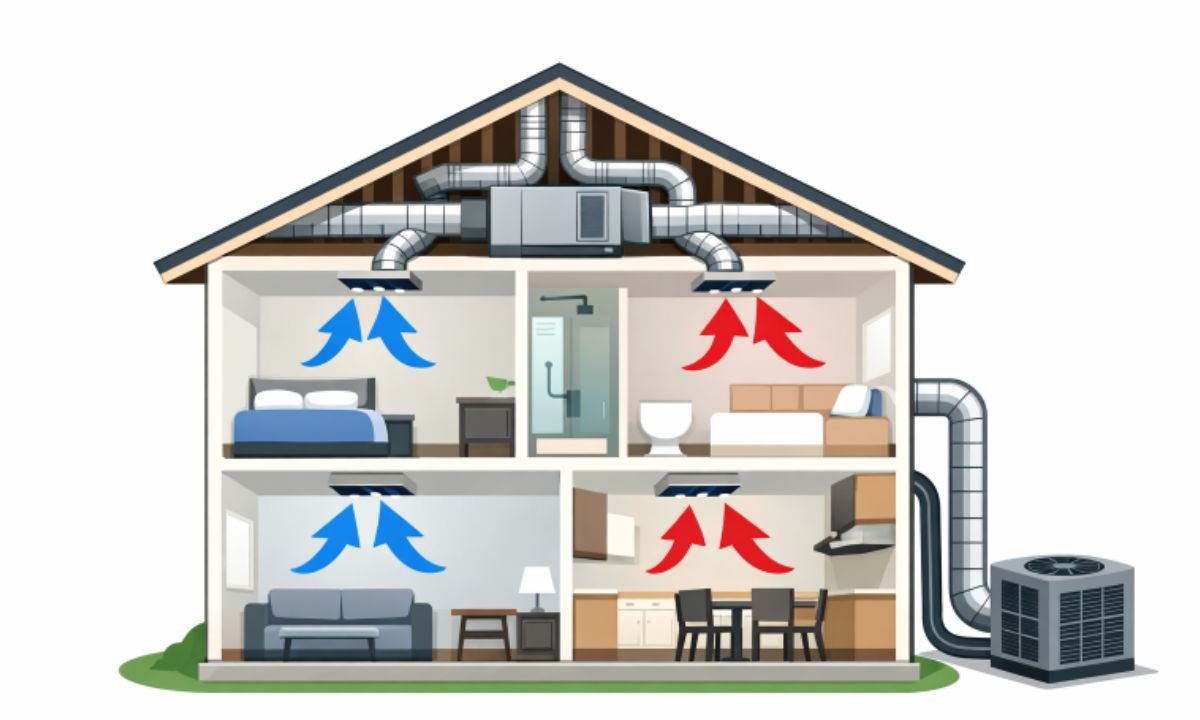
Central ducted HVAC systems use a network of ducts to circulate air that is filtered, heated, or cooled before being delivered to various rooms in a home. At the heart of the system are two main components: an outdoor condenser and an indoor air handler. The air handler pushes the conditioned air through ducts to vents located in each room, providing uniform comfort throughout the house. By centralizing the air distribution process, these systems enable more effective, controlled temperature regulation than room-by-room solutions.
Energy Efficiency Benefits
One of the greatest advantages of modern central ducted HVAC systems is their energy efficiency. Technological advancements, such as variable-speed compressors and smart blower motors, allow these systems to automatically adjust their output to match the home’s needs. This reduces unnecessary energy use when full capacity is not required. According to the U.S. Department of Energy, high-efficiency units and proper installation can significantly lower electricity consumption compared to older systems. Energy-efficient models are also typically quieter and offer better humidity control as an added benefit.
Comparing Ducted and Ductless Systems
When weighing ducted vs. ductless HVAC systems, consider the size and layout of your home. While ductless mini-split systems offer flexibility and are ideal for renovations or additions, traditional ducted systems often deliver better overall efficiency in larger homes. Ducted units typically achieve higher Seasonal Energy Efficiency Ratio (SEER) scores and deliver more consistent airflow, especially when ductwork is optimized. For homes with existing ductwork in good condition, central ducted systems allow maintaining or even improving energy performance. Explore how to choose top-performing central air systems.
Importance of Ductwork Maintenance
Efficient ductwork is a critical factor in maximizing the benefits of a central HVAC system. Over time, ducts can develop leaks or become poorly insulated, leading to significant energy losses. Sealing and insulating the ductwork as part of routine maintenance can prevent up to 30% of conditioned air from escaping before it reaches its destination. Regular duct inspections and prompt repairs ensure that the system runs at peak efficiency and maintains healthy indoor air quality. The Department of Energy underscores the significant energy savings possible through diligent ductwork care.
Role of Thermostats and Zoning
Adding programmable thermostats and zoning capabilities allows homeowners to fine-tune their HVAC system for maximum efficiency. Programmable thermostats can automatically adjust temperatures based on time of day or occupancy patterns, preventing energy waste when rooms are unoccupied. Zoning systems divide the home into different areas, each with its own controls. This lets homeowners direct heating or cooling only where it is needed, reducing overall energy consumption. These technologies are especially valuable in larger homes or spaces with unique temperature requirements in different rooms.
Impact of Insulation and Home Sealing
The effectiveness of any central ducted HVAC system is closely linked to how well the home is insulated and sealed. Proper insulation keeps warm or cool air inside, limiting the workload on the HVAC unit. Air leaks around windows, doors, and walls can quickly undermine system efficiency, leading to higher energy bills. By addressing insulation and sealing alongside a new HVAC installation, homeowners create a holistic approach to energy savings and comfort improvement. The U.S. Environmental Protection Agency provides additional guidance on best practices for insulation and air sealing.
Choosing the Right System for Your Home
Every home is unique, making a personalized approach to HVAC selection essential. Factors such as climate, home size, ductwork condition, and budget should all be considered. An HVAC professional can conduct a detailed assessment to determine which system type and size will maximize efficiency while meeting the occupants’ needs. Consulting with experienced professionals ensures that the chosen system delivers reliable comfort and remains cost-effective over its lifespan. Additionally, homeowners should verify that their contractor follows best installation practices to harness all the benefits of advanced energy-efficient technologies.
Conclusion
Central ducted HVAC systems stand out as an energy-efficient and reliable option for whole-home heating and cooling. When paired with careful installation, regular ductwork maintenance, and modern technologies like programmable thermostats and smart zoning, these systems can deliver substantial energy savings. By investing in efficiency upfront and maintaining ongoing care, homeowners enjoy lasting comfort and lower utility costs for years to come.
 Decor Drip