
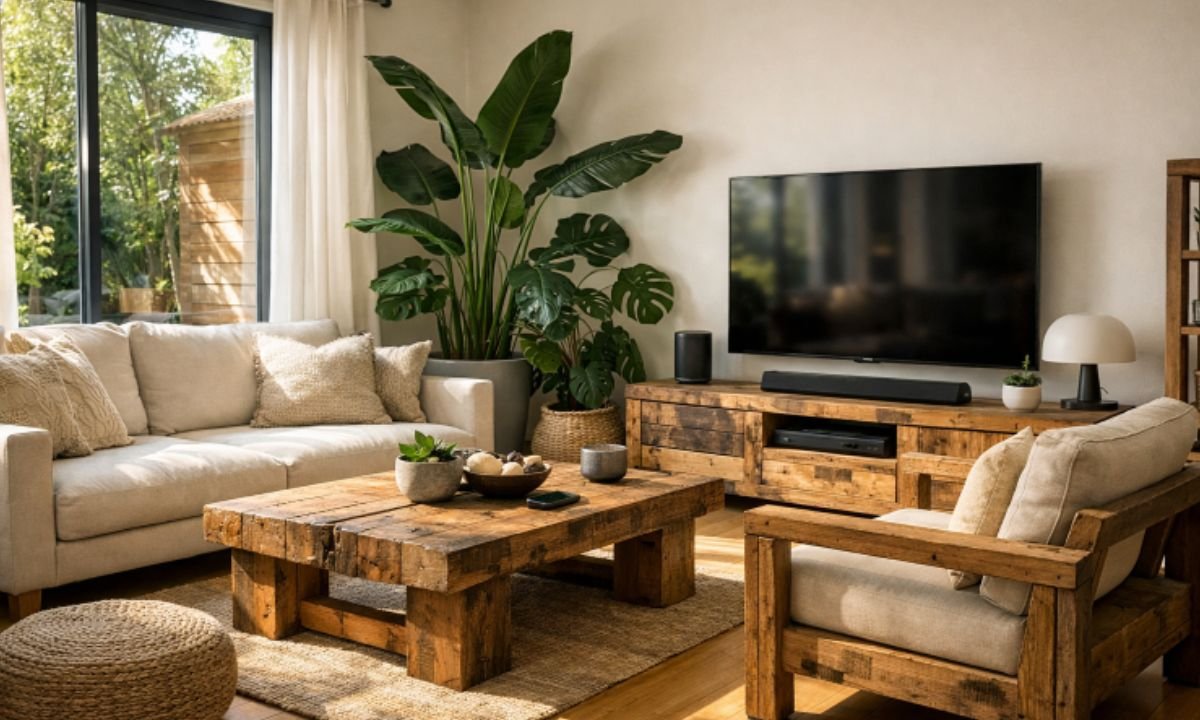
Home remodeling is continuously evolving in response to shifting lifestyles and aesthetic preferences. As we step into 2026, innovative trends are transforming homes into more sustainable, efficient, and expressive spaces. Whether you are considering a major renovation or a small update, learning about the latest movements can help you make informed decisions and add lasting value to your property. For fresh ideas and expert support, homeowners can turn to trusted partners like A New Day Construction to guide their next project.
The current wave of home remodels centers on maximizing convenience, sustainability, and comfort. Integrating technology, updating color schemes, and designing flexible spaces have become priorities for many. There is also an increasing intent to make homes smarter and more environmentally responsible, reflecting both practical needs and a desire for personalization.
As new materials and innovative design solutions become widely available, it is easier than ever to balance efficiencies with style. With sustainability attracting mounting attention, many homeowners are seeking out earth-friendly products that reduce environmental impact without sacrificing durability or appeal. These trends are expected to shape the remodeling industry throughout 2026 and beyond.
Understanding what is current can inspire enhancements that not only elevate your living environment but also improve resale value and satisfaction for years to come. Let us explore the leading trends shaping home remodeling this year.
Sustainable and Eco-Friendly Materials
Sustainability remains a leading focus among homeowners in 2026. Eco-friendly remodeling options are more prevalent, with many choosing materials that are both durable and responsible. Reclaimed wood, recycled metal, bamboo, and low-VOC paints are gaining traction for their reduced environmental impact and unique aesthetic. According to the 2026 U.S. Houzz & Home Study, eco-friendly choices are not only better for the planet but can also improve indoor air quality and create one-of-a-kind spaces with lasting character.
In addition to common materials, many designers are turning to innovative products like recycled glass countertops or flooring made from post-consumer materials. These advances not only bring bold new visual elements into the home but also reduce reliance on traditional manufacturing processes that can be harsh on the environment. Water-efficient fixtures and responsibly sourced stone are further examples of the thoughtful details leading eco-conscious renovations.
Smart Home Integration
Technological advancements are transforming how homeowners interact with their living spaces. Smart home features, such as voice-activated lighting, automated thermostats, and state-of-the-art security systems, are no longer considered luxury add-ons, but rather standard upgrades. These systems increase convenience, security, and energy efficiency. Smart technology is now among the fastest-growing requests in home remodels, supporting both lifestyle improvements and property value.
Beyond convenience, integrated home networks now allow seamless connections between devices, supporting everything from health monitoring to automation of daily routines. Homeowners who embrace this level of integration are finding newfound peace of mind and more efficient operations in their daily lives. Wireless charging stations, built-in speakers, and even smart kitchen appliances further cement the role of technology in modern home design, ensuring each remodel feels truly future-ready.
Multi-Functional Spaces
The multifunctional home is more relevant than ever, as people continue to spend more time at home for work, study, and leisure. Rooms are frequently being redesigned to serve double or triple purposes, such as guest bedrooms with built-in desks or dining areas that double as workspaces. This adaptability enables homeowners to get the most out of every square foot, offering greater flexibility for families of all sizes and dynamics.
Creative storage solutions, movable walls, and convertible furniture are integral in supporting these versatile environments. For example, Murphy beds and fold-out desks transform spaces on demand, while modular shelving offers ways to customize a room as needs change over time. Home gyms or hobby spaces that can be quickly reimagined for different uses are also rising in popularity, contributing to a more convenient and dynamic home life.
Bold Color Palettes
Neutral tones are making space for a resurgence of vibrant colors in home interior design. Rich greens, energetic blues, and earthy tones are prevalent in 2026, allowing for distinctive spaces with personality and warmth. These bold choices can significantly affect the mood and energy of a home, letting homeowners reflect their individual style while moving beyond the all-white trend that has dominated recent years.
Accent walls, painted ceilings, colorful cabinetry, and daring tile layouts are all being used to inject personality into living spaces. Even appliances are now being offered in a wider array of finishes, giving homeowners ample opportunity to personalize their kitchen or laundry room. Pairing bold colors with neutral backgrounds keeps the look contemporary while maintaining a sense of balance and cohesion throughout the home.
Spa-Like Bathrooms
Bathrooms are rapidly becoming sanctuaries for relaxation and self-care. Features such as heated flooring, rainfall showerheads, oversized tiles, and luxurious bathtubs help create atmospheres akin to upscale spas. Spa-inspired bathroom remodels are particularly appealing because they can offer one of the highest returns on investment in any home update.
Other favored enhancements include under-cabinet lighting, towel warmers, and frameless shower enclosures. Natural stone, calming color schemes, and biophilic design, incorporating plants or water features, heighten the tranquil, restorative feel. Many homeowners are integrating smart mirrors with anti-fog technology and built-in speakers, elevating the everyday experience to new levels of comfort and luxury.
Outdoor Living Enhancements
Homeowners are looking to expand their usable living space outdoors. Enhancements such as fully equipped kitchens, pergolas, fire pits, and comfortable dining or lounging zones are transforming backyards into everyday retreats. These improvements encourage greater enjoyment of the outdoors while also boosting a property’s overall value and entertainment potential.
Weather-resistant furniture, integrated lighting, and retractable screens are some of the many features helping homeowners maximize outdoor living year-round. Landscaping trends now include edible gardens and sustainable native plantings, which offer beauty and utility while supporting local ecosystems. Covered patios and outdoor entertainment systems are also increasingly popular, providing a seamless transition between indoor and outdoor living.
Aging-in-Place Remodeling
With an aging population, more renovators are emphasizing accessibility and comfort. Features such as barrier-free showers, wider doorways, lever handles, and non-slip flooring support the goal of safely aging in place. Guidance from the AARP HomeFit Guide can be helpful for homeowners planning these adjustments, ensuring long-term livability and security for all residents.
Touchless faucets, adjustable-height counters, and strategically placed grab bars provide additional safety without compromising aesthetics. Designers are creating spaces that are both beautiful and practical, allowing homeowners to maintain their independence and continue enjoying their homes as their needs evolve. Planning ahead with universal design principles also makes the home welcoming to all ages and abilities, which is a smart investment for the future.
Energy-Efficient Upgrades
Reducing energy use is a priority in 2026, both for environmental and economic reasons. Solar panels, high-efficiency appliances, triple-pane windows, and upgraded insulation are among the most sought-after improvements. Not only do these upgrades decrease utility costs, but they also align with a movement toward greener, healthier living environments, which are valued by prospective buyers and current owners alike.
New smart systems allow for real-time monitoring and optimization of energy use, often paying for themselves through long-term savings. LED lighting, tankless water heaters, and energy-efficient roofs further contribute to lower consumption and increased comfort. Many of these improvements are supported by tax incentives or rebates, making 2026 an attractive time to invest in a more energy-resilient home that stands the test of time.
Homes in 2026 are reflections of evolving values and technology. By incorporating these remodeling trends, property owners can enjoy more comfortable, functional, and visually compelling spaces, while also ensuring that their investment remains sustainable and relevant for years to come.