
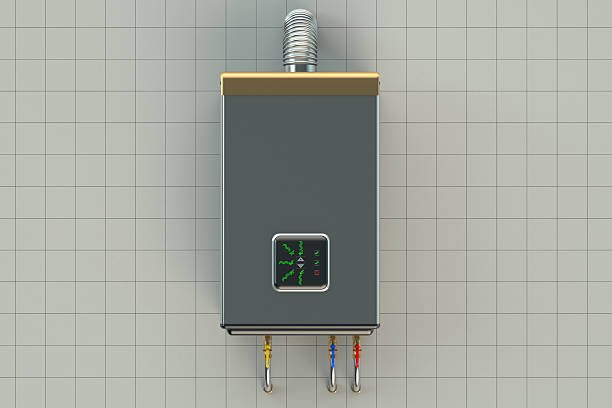
Upgrading your home’s water heating system is a major decision. With rising energy costs and increasing demand for efficiency, tankless water heaters have quickly become a preferred choice for many homeowners. Unlike conventional tank-style heaters, these modern systems heat water only when needed, resulting in improved performance and significant savings. If you are considering making the switch, local tankless water heater installers in southern Utah can help guide you through the process and handle all installation needs.
Understanding the benefits and key considerations of tankless water heaters is critical before committing to this investment. Whether your priority is energy savings, consistent hot water, or environmental impact, a tankless system could be the ideal solution for your home.
Endless Hot Water Supply
One of the main reasons homeowners upgrade to tankless water heaters is the comfort of endless hot water. Traditional heaters store a fixed amount of hot water, which can quickly run out during periods of heavy use. Tankless systems solve this problem by heating water on demand, so you can enjoy long showers or fill multiple tubs back-to-back without worrying about running out.
Energy Efficiency and Cost Savings
A significant advantage of tankless water heaters lies in their superior energy efficiency. Because they operate only when hot water is demanded, they avoid the standby heat loss associated with tanks filled 24/7. The U.S. Department of Energy reports that tankless heaters can be 24 to 34 percent more efficient for homes using 41 gallons or less of hot water daily. This efficiency translates into lower monthly utility bills and less wasted energy, which is particularly attractive as energy prices continue to climb.
Space-Saving Design
In addition to efficiency, tankless water heaters are known for their compact, modern design. Traditional heaters occupy significant floor space and can be challenging to fit into smaller homes, apartments, or condos. On the other hand, tankless models are typically wall-mounted and require a fraction of the space, freeing up storage areas or utility rooms for other uses. This flexibility allows for more convenient installation and contributes to a clutter-free home.
Longer Lifespan
Lifespan is another appealing factor when evaluating water heater options. While a conventional tank heater may need replacement within 10 to 15 years, a tankless water heater can last 20 years or more with routine upkeep. This longevity not only saves money on future replacements but also offers peace of mind as your home systems are designed to last longer. According to Consumer Reports, tankless units often require less frequent servicing, adding to their overall value.
Reduced Risk of Water Damage
Water damage is an unfortunate risk with traditional tank systems since they store tens of gallons of water at all times. These tanks can develop leaks or even burst, causing costly, extensive damage. Tankless heaters, which lack a large storage tank, sharply reduce this risk. For homeowners seeking to minimize potential water damage, switching to a tankless model can provide an additional safeguard.
Environmental Impact
Besides energy savings, tankless water heaters are a more environmentally responsible choice. Because they use less fuel and typically outlast traditional models, their impact on natural resources and landfill waste is much lower. Reduced operating energy directly translates into lower greenhouse gas emissions, contributing positively to a home’s overall environmental footprint.
Considerations Before Switching
Despite the benefits, consider the upfront costs of tankless water heaters, which are often higher than those of conventional models, especially if upgrades are needed. Hard water may require regular descaling. Water usage habits matter; simultaneous hot water use can exceed capacity, possibly needing multiple units or high-capacity models, consulting a professional is advisable. Maintenance is simpler than with traditional heaters but still necessary, especially in hard-water areas, including annual descaling and check-ups, often offered by installers to ensure efficiency and warranty.
Conclusion
Switching to a tankless water heater offers benefits like continuous hot water, lower energy bills, space savings, and increased home longevity. While initial costs and maintenance matter, many see it as a worthwhile investment for comfort, efficiency, and peace of mind. Consult a professional to find the right system and maximize technology’s potential. Whether aiming to boost home value, support sustainability, or enjoy on-demand hot water, tankless heaters are a smart, long-term choice. As technology advances, these systems are becoming more reliable and user-friendly. Contact local installers for guidance on a smooth upgrade. With planning and professional help, your investment will bring comfort, savings, and environmental benefits for years.