
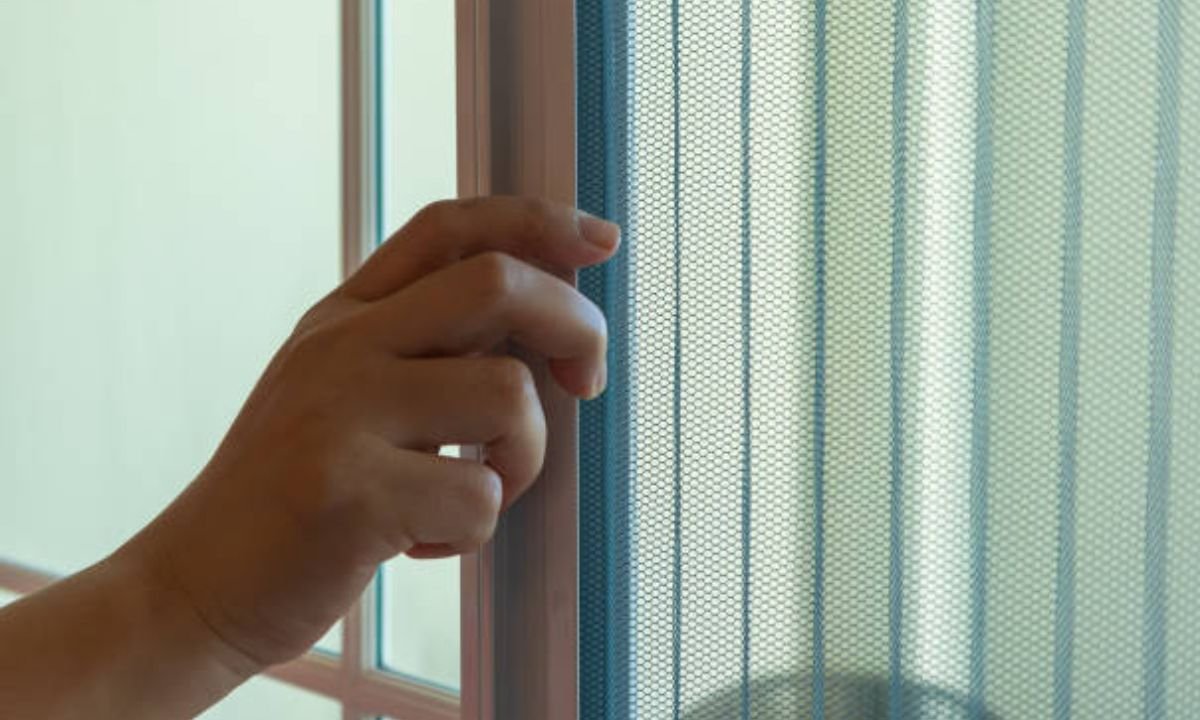
Most outdoor products in Canada get rated for one season. Sunshades for summer. Storm panels for fall. Snow covers for winter. Retractable screens are different, because the people who buy them tend to want them working year-round, and the climate they have to perform in has no patience for half-measures.
A screen that loops smoothly into a Muskoka cabin in July and refuses to retract in October has not done its job. A patio enclosure that handles a summer breeze but tears in November wind is a one-season product disguised as a four-season one. The difference between a screen that disappoints and one that lasts has very little to do with branding and almost everything to do with how the system is engineered for the conditions it will actually face.
For property owners considering retractable screens in Toronto, understanding how the system holds up across all four seasons is the most useful filter for choosing the right product. Below are the seasonal stresses that distinguish durable systems from disappointing ones.
Summer: Sun, Heat, and Pollen
Summer is the season retractable screens were originally designed for, and most products perform reasonably well here. The variables that separate a good system from a great one in summer conditions are UV resistance, mesh integrity under heat expansion, and the dimensional stability of the housing.
Vinyl-coated polyester mesh, the standard material for outdoor screens, holds up to direct sun well when properly formulated. Lower-quality mesh will fade, become brittle, and start to powder after two or three seasons of full exposure. A higher-grade fabric with proper UV inhibitors will keep its color, flex, and tear resistance for ten to fifteen years.
Heat also causes housings to expand. A retractable screen housing that fits perfectly at 18 degrees Celsius might bind slightly at 32 degrees if the manufacturer did not account for thermal expansion. This is why higher-end systems use guide rails and tracks with engineered clearances designed for temperature ranges, not just nominal fit.
Pollen and airborne debris are the underrated summer problem. A screen that is rolled up frequently collects pollen, dust, and tree sap on the take-up roller. Without periodic cleaning, these contaminants can cause the fabric to bind, accelerate wear, and discolor the mesh permanently.
Fall: Wind and Falling Debris
Autumn introduces the first real challenge that summer rarely tests. Wind. Specifically, the gusty, directional wind that comes off a lake or sweeps through a neighborhood when leaves come down.
This is where the difference between a basic retractable screen and a zip-track system becomes visible. A standard screen is held in place by gravity and the tension of the fabric. In a moderate wind, the screen pulls and flutters. In a strong gust, the fabric can come out of its guide rails entirely, which is called a blowout and is often catastrophic for the screen.
A zip-track system locks the edges of the fabric into vertical tracks using a continuous zipper or bead system. The fabric stays in the track under wind loads that would tear a standard screen free. For outdoor enclosures, patios, and any installation where wind exposure is meaningful, zip-track is not an upgrade. It is the baseline.
Falling debris in autumn, including leaves, acorns, and small branches, can damage exposed mesh. The protection here is largely about how the screen is housed when not in use. A screen that retracts fully into a closed cassette is shielded. One that retracts into an open housing collects everything that falls into it.
Winter: Cold, Ice, and Snow Load
Winter is where most retractable screens reveal their limits. The combination of cold-induced material brittleness, ice loading, and snow accumulation produces conditions that can damage components that performed perfectly through the warmer months.
Mesh fabric stiffens at low temperatures. A standard screen rolled and unrolled in minus 15 degrees Celsius is asking the fabric to flex while it is significantly less elastic than its summer state. Repeated cycling at low temperatures accelerates wear at the fold lines and at the points where the fabric meets the guide tracks. Higher-quality screens use cold-rated fabrics that maintain flexibility well below freezing.
Ice formation on guide tracks can prevent retraction entirely. If a screen is left deployed during freezing rain and ice locks the fabric into the tracks, attempting to retract it can tear the fabric or damage the motor. The right protocol is to retract screens fully before winter weather sets in, or to use systems with heated tracks designed for year-round operation.
Snow loading is the most direct seasonal stress. A retracted screen in a properly engineered housing is protected. A screen left deployed under accumulating snow is supporting weight it was never designed to hold, and the housing, the fabric, or both can fail.
Spring: Moisture and Cycling
Spring is the recovery season, and it is also the season where damage accumulated through winter becomes visible. Moisture is the dominant concern.
Snow and ice that melt and refreeze multiple times during the early spring create wet-dry cycles that can corrode metal components if the system is not adequately treated. Aluminum housings should be powder-coated for outdoor use. Stainless steel fasteners outperform galvanized in most outdoor environments. Plastic or composite components should be UV-stabilized and rated for thermal cycling.
Spring is also when most homeowners notice that a screen is not retracting smoothly. A motor that sounds strained, a fabric that binds at one corner, a housing that rattles when retracted, all of these are signals that something happened during the winter that needs attention before the heavy use of summer begins.
This is the reason most reputable installers recommend an annual spring inspection. A ten-minute look at tracks, fabric, hardware, and motor mounts catches problems while they are still cheap to fix.
What This Means When You Buy
Choosing a retractable screen for a Canadian property is not really about finding the prettiest fabric or the most polished marketing. It is about matching the engineering of the system to the actual conditions the screen will face across four very different seasons.
Practical things to ask before buying:
- What is the wind rating of the system, and is it zip-track or standard?
- What temperature range is the fabric rated for, and does that range cover the full annual swing in your area?
- Is the housing closed or open, and how does it shed debris?
- What metals and finishes are used, and how do they handle freeze-thaw cycles?
- Does the manufacturer offer a warranty that covers four-season use, or only summer operation?
The Bottom Line
A retractable screen is a year-round investment in how a home or business uses its outdoor space. The system that works through one season is easy to find. The system that works through all four requires engineering decisions that are made before the screen ever reaches the property.
Knowing what to look for, and what each season will ask of the product, separates the homeowners who replace screens every few years from the ones who install once and forget about it.