
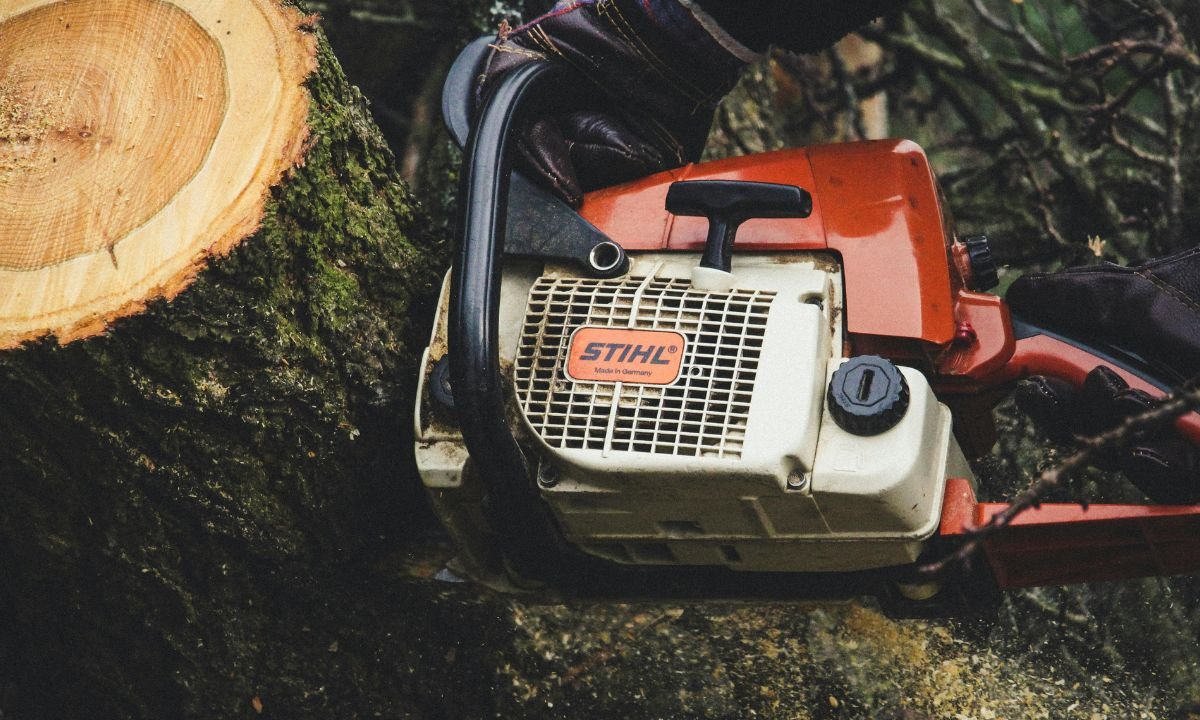
Your wooded property is more than just scenery—it’s a living asset that requires active management to thrive. Many private landowners hesitate at the idea of property logging, worrying it will scar the land or harm the environment. In reality, when done professionally and sustainably, logging is one of the most powerful tools you have for improving forest health, boosting wildlife habitat, and generating real financial returns from your timber.
This guide walks you through the why, how, and what-next of property logging. You’ll learn how to turn mature timber into income while leaving your woods stronger than you found them. Whether your goals are profit, recreation, or ecological health, a thoughtful harvest can deliver all three.
Why Consider Property Logging? (The Core Benefits)
Think of your trees as a crop that has been quietly maturing for decades. Property logging—harvesting timber from your own land—lets you cash in on that growth while actively caring for the forest.
Economic Returns and Timber Value
Timber is one of the few crops you can “grow” without planting every year. A well-timed harvest can provide significant capital—for property taxes, improvements, or simply family needs. Depending on species, size, and market conditions, sawlogs, veneer, or pulpwood from even a modest woodlot can generate thousands of dollars per acre.
The money doesn’t just appear once. Selective harvests every 10–15 years can create a recurring income stream while the remaining trees grow faster and become more valuable.
Improving Forest Health and Growth
Dense, overcrowded woods suffer from competition. Older or diseased trees hog sunlight, water, and nutrients, slowing everyone down. Property logging through thinning removes the weak performers, giving the “crop trees” room to thrive. Sunlight reaches the forest floor, young trees shoot up, and overall growth rates can increase by 20–30% or more in the years following a harvest.
Healthy, vigorous forests are also more resistant to insects, disease, and drought—problems that plague neglected woodlots.
Enhancing Wildlife Habitat
Many landowners are surprised to learn that logging, when done right, actually improves habitat for deer, turkeys, songbirds, and small mammals. Removing a portion of the canopy creates “edge effects” and early-successional openings where forage plants explode. Sunlight sparks growth of berries, forbs, and young saplings that animals love.
Thinning also leaves snags (standing dead trees) and downed logs—prime real estate for woodpeckers, owls, and countless insects that anchor the food chain.
Understanding the Property Logging Process
Successful property logging never starts with a chainsaw. It starts with a plan.
Developing a Forest Management Plan
Before a single tree is cut, consult a professional forester. A forester walks your property, inventories the timber, and writes a customized forest management plan that aligns with your goals—whether you want maximum timber production, wildlife viewing trails, or a mix of both.
The plan identifies which trees to keep (the future “crop trees”), which to harvest, and when. It also maps sensitive areas—streams, steep slopes, or rare plants—so they stay protected. Working with a forester almost always pays for itself through higher timber prices and better long-term results.
Selecting the Right Harvesting Method
Not all logging looks the same. Choose the method that fits your forest type, soil, and objectives:
- Selective Cutting (Single-Tree or Group Selection): Remove individual mature or poor-quality trees while leaving the overall canopy intact. Ideal for improving stand quality and maintaining continuous forest cover.
- Shelterwood Cutting: Gradually remove trees in stages so seedlings can grow under partial shade from the remaining “shelter” trees. Great for species that need some protection at first.
- Clear-Cutting: Remove all trees in a defined area at once. Best for sun-loving species like pine or oak that regenerate quickly in full light. When limited to small patches, it creates diverse habitat mosaics without destroying the whole property.
Your forester will recommend the best fit based on topography, soil type, and your long-term vision. The goal is always sustainable forestry: harvest today so the forest is even better tomorrow.
How to Choose a Reputable Logging Contractor
A bad logger can undo years of good planning. A great one becomes your partner in forest stewardship.
Red Flags and Green Flags
Green flags include:
- Master Logger or similar professional certifications (proof they follow Best Management Practices for water quality, soil protection, and safety).
- Full insurance coverage (liability and workers’ comp).
- Strong references from other landowners and foresters.
- Willingness to provide a detailed written contract.
Red flags include:
- Pressure to cut more than your forester recommends (“high-grading” the best trees and leaving junk behind).
- No insurance or vague verbal agreements.
- Poor housekeeping on past jobs (rutted roads, un-reclaimed skid trails).
Ask to visit a recent job site. A quick walk tells you everything about their respect for the land.
Managing the “Mess”
Logging creates temporary disturbance—slash (branches and tops), skid trails, and landings. A good contract spells out exactly how these will be handled:
- Slash piled or scattered to minimize fire risk and encourage decomposition.
- Skid trails and roads graded and seeded after the job.
- Stream crossings protected with temporary bridges or culverts.
- No harvesting during wet weather that could cause erosion.
Best Management Practices (BMPs) protect water quality and keep your soil in place—requirements in most states and simply good stewardship everywhere.
Financial and Legal Considerations
Determining the Value of Your Timber
Timber value depends on species, diameter, quality (straight, defect-free logs command premium prices), and current market demand. A professional forester or timber buyer will cruise (measure and appraise) your stand and give you realistic numbers—often broken down by product: veneer logs, sawlogs, or pulpwood.
Markets fluctuate, so timing matters. Your forester can advise when to sell based on local mill needs and price trends.
Navigating Permits and Regulations
Most private landowners do not need a federal permit to log their own land, but rules vary by state, county, and even local zoning. Some areas require a harvest notification or erosion-control plan. Always check with your state forestry agency or county extension office before starting.
Tax-wise, income from a properly documented timber sale usually qualifies as long-term capital gains (a lower rate than ordinary income). Keep good records—your forester’s cruise report, contract, and scale tickets—to maximize legitimate deductions and depletion allowances. Consult a tax professional familiar with timber for your specific situation.
Conclusion
Property logging, when guided by a professional forest management plan and executed by a reputable contractor, pays you today while rejuvenating your woods for tomorrow. It turns a passive landscape into an active asset that delivers income, healthier trees, and richer wildlife habitat—all at the same time.
Your woods are a legacy. Walk your property this week. Flag a few “crop trees” you want to keep and note any crowded or unhealthy areas. Then reach out to a local forester for that first free or low-cost assessment. With the right plan in place, your next harvest can be the start of something even better: a forest that works as hard for you as you do for it.
Ready to take the first step? Contact your state forestry extension service or use the “Find a Forester” tools available through the Society of American Foresters or your state’s woodland owner association. Sustainable property logging isn’t about cutting trees—it’s about growing a better forest.
 Arthur