
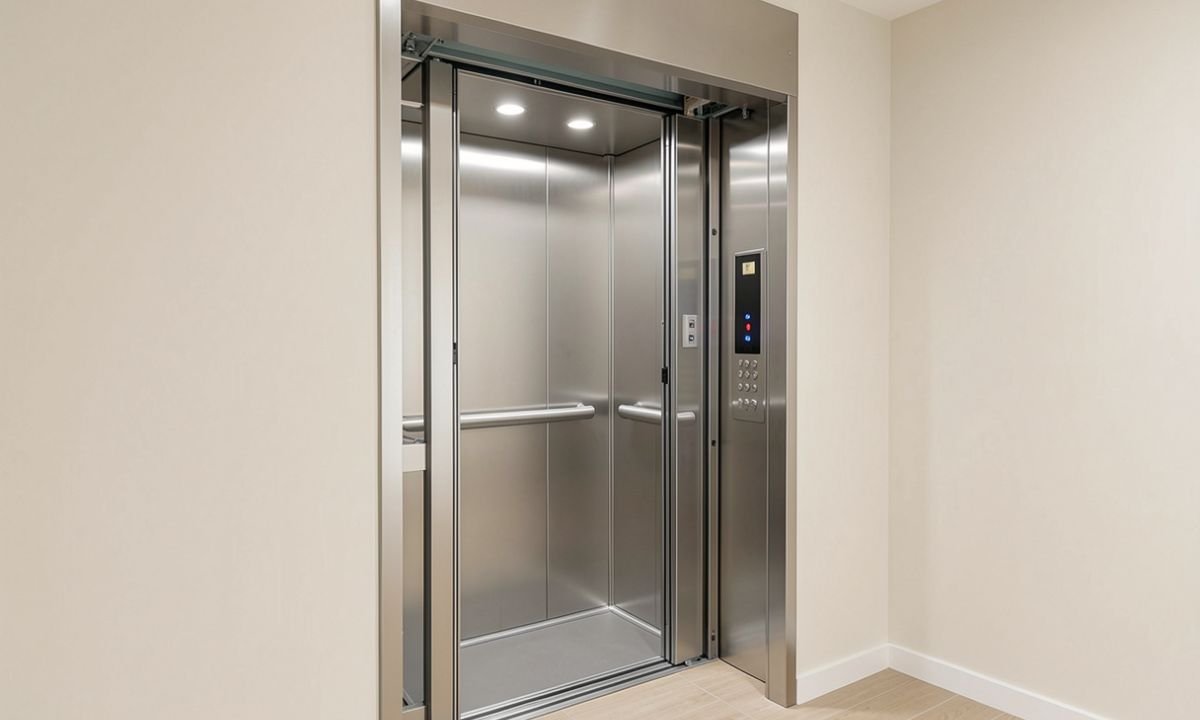
Imagine carrying heavy grocery bags up two flights of stairs after a long workday. Your back aches, your knees complain, and you wonder how much longer you can manage this routine. Or picture a loved one carefully navigating each step, holding the railing tightly for support. You are not alone in this struggle.
With more than 54 million Americans dealing with mobility challenges and thousands of baby boomers reaching age 65 every single day, many homeowners now face the same issue. Recent trends show residential elevator installations surging as families seek practical solutions for everyday living.
As someone who has guided countless families through home improvements for years, I have seen the relief that comes when stairs stop being a daily obstacle. Home elevator installation offers a simple way to restore freedom of movement without leaving the comfort of your own house. If you feel stuck on how to make your multi story home work for the long term, this guide walks you through everything you need to know.
Home elevator installation adds a compact residential elevator system directly into your living space for smooth travel between floors. It matters now more than ever because it supports independence, especially for aging in place. Over three quarters of adults over 50 prefer to stay in their current homes rather than move. You will discover the main types of home lifts, realistic costs, the exact installation steps, key benefits, common hurdles, and ongoing care tips. Along the way, we cover related options like shaftless elevators, pneumatic home CHS elevators, and hydraulic residential elevators so you can choose what fits your lifestyle best.
Understanding the Different Types of Home Elevators for Your Needs
Home elevator installation starts with picking the right system for your space and budget. Different drive mechanisms suit different homes, so let us break them down clearly.
Pneumatic vacuum elevators use air pressure inside a sealed tube to move the cab. These models need no machine room or deep pit, making them ideal for retrofits where construction must stay minimal. They run quietly and efficiently with fewer moving parts. Many homeowners love the modern look with transparent walls that let light flow through the home. Capacity usually tops out around 450 pounds, and speeds stay moderate, perfect for two or three floors.
Hydraulic residential elevators rely on fluid pressure for a smooth, powerful ride. They handle heavier loads well and work great in larger homes. You do need a small dedicated machine room near the lowest level, which adds some planning. The ride feels stable and controlled, with options for custom acceleration and leveling. These systems shine when you carry laundry baskets, furniture, or multiple people at once.
Traction elevators, including gearless and direct gear drive versions, use cables or belts with counterweights. They offer the smoothest, quietest operation and excellent energy efficiency. Many modern designs skip the machine room entirely, saving valuable floor space. Gearless models run virtually silent, which helps in noise sensitive households. They support higher travel distances and multiple stops without much added complexity.
Shaftless elevators provide another compact choice for tight spaces. They require only a small floor opening and self support their structure. These work beautifully in older homes where full shafts would disrupt the layout.
Each type comes with trade offs. Pneumatic models install fastest but limit speed and weight. Hydraulic options deliver rugged performance yet demand more maintenance for fluid checks. Traction systems balance efficiency and comfort at a slightly higher upfront price.
Consider your home layout first. Measure overhead clearance, available square footage, and whether you can spare a small machine room. Think about future needs too. Will wheelchair access matter later? Do you want automatic doors for easier entry?
Suggest an image: Infographic comparing types of home elevator installation with pros, cons, and space requirements, alt text “types of home elevator installation comparison chart for residential use”.
Choosing wisely here prevents regret later. Many families start with a two stop system and expand if life changes. The key is matching the drive type to your daily routines so the elevator feels like a natural part of the house rather than an afterthought.
Step by Step Guide to Home Elevator Installation
Once you select the type, the actual home elevator installation follows a clear sequence that keeps surprises to a minimum. Proper planning turns what sounds complex into a straightforward project lasting just a few weeks.
Begin with a professional assessment of your home. A specialist visits to evaluate layout, measure clearances, and check structural support. They look for spots like stacked closets or areas beside stairs where openings align naturally between floors. This step identifies any needed modifications early.
Next comes permit and code compliance. Every jurisdiction requires approvals, often referencing standards for gate clearances, pit depth, and electrical safety. Expect fees between one thousand and three thousand dollars. Licensed electricians handle the dedicated 240 volt service and phone line requirements for emergency features.
Prepare the hoistway carefully. The space must stay perfectly square, plumb, dry, and clean. Install blocking along walls for rail support and ensure the pit can bear several thousand pounds of load. For hydraulic systems, build or designate the machine room above flood level. Remove temporary flooring in closets to create clean openings between levels.
Customize the cab to match your style. Online tools let you preview finishes, lighting, handrails, and gate designs. Choose sleek modern panels or warm wood tones. Larger cabs accommodate wheelchairs while smaller ones save space.
Delivery and final assembly happen quickly once manufacturing finishes. Crews clear a safe work area, position the cab, connect mechanical and electrical systems, and test every safety feature including emergency stops, leveling sensors, and battery backup. The entire on site work often wraps up in two to three days.
Suggest an image: Photo of home elevator installation in progress showing hoistway preparation, alt text “step by step home elevator installation process in a residential setting”.
Common tips make everything smoother. Schedule the project during a quieter season to reduce disruption. Communicate daily with the team to catch small issues fast. For retrofits, protect surrounding floors and walls with coverings. New construction integrates the system into blueprints from day one, cutting costs and time dramatically.
Following these steps ensures your home elevator installation meets safety standards and blends seamlessly into daily life. The result feels less like a major renovation and more like adding a convenient feature you wonder how you lived without.
How Much Does Home Elevator Installation Really Cost
Budgeting for home elevator installation requires looking beyond the sticker price to include all related expenses. Current ranges run from twenty thousand to sixty thousand dollars or more, depending on your choices. Standard two floor systems often land between twenty five thousand and fifty thousand dollars installed.
Break down the numbers. The base equipment and cab account for the largest share. Pneumatic models start toward the lower end while traction or custom hydraulic setups push higher. Each additional floor or stop adds roughly ten thousand to fifteen thousand dollars.
Site preparation and structural work add five thousand to twenty thousand dollars in retrofits. Older homes may need wall reinforcement, electrical upgrades, or new openings. Permits and inspections contribute one thousand to three thousand dollars. Customization like premium finishes, automatic doors, or special lighting increases the total further.
Labor and installation fees cover the crew time and testing. Machine room construction or complex electrical runs raise costs in certain setups. Location plays a role too, with regional building codes or labor rates affecting the final figure.
Ongoing expenses stay reasonable. Annual maintenance visits cost two hundred to five hundred dollars each, with occasional part replacements between one hundred fifty and one thousand dollars. Many owners find the investment pays back through increased property value, often ten to fifteen percent, plus the priceless benefit of staying independent longer.
To keep costs in check, opt for shaftless or pneumatic options in smaller homes. Plan during new construction when integration costs drop sharply. Get multiple detailed quotes that separate equipment, labor, permits, and finishes. Avoid rushing custom changes after manufacturing starts.
Real world example: one family chose a compact pneumatic model for their two story bungalow. Total came in under thirty five thousand dollars including minor electrical work. They regained easy access to bedrooms and saved on potential future moving expenses. Weigh your priorities. Convenience and safety often outweigh the initial outlay when you consider long term quality of life.
Key Benefits of Residential Elevators in Everyday Life
Home elevator installation delivers far more than luxury. It transforms how you live, move, and plan for the future.
First, accessibility improves dramatically. Carrying laundry, groceries, or luggage becomes effortless. Families with children, seniors, or anyone recovering from injury enjoy full use of every level without strain. Pets ride safely too, eliminating the stress of stairs.
Aging in place turns realistic. Instead of downsizing or facing assisted living, you stay in the home you love. The independence boosts confidence and reduces isolation.
Property value rises noticeably. Buyers seeking accessible features pay a premium for homes already equipped with residential elevators. In competitive markets, this upgrade stands out as a smart investment.
Safety increases for everyone. No more risky trips on stairs in the dark or while carrying items. Built in features like automatic leveling, emergency phones, and battery backup provide peace of mind during power outages.
Daily convenience adds up. Imagine hosting guests on upper floors without worry or moving furniture between levels with ease. The elevator handles heavy loads quietly and smoothly.
Humor aside, who really enjoys lugging boxes up stairs when technology offers a better way? Many homeowners report less fatigue and more energy for family time after installation.
These advantages make residential elevators a practical choice rather than an extravagance. They support multigenerational living and adapt as needs evolve.
Overcoming Common Challenges in Home Elevator Installation
Every project has hurdles, but home elevator installation succeeds when you address them early. Space constraints top the list. Older homes lack room for full shafts or machine rooms. Shaftless and pneumatic models solve this by minimizing the footprint. Measure carefully and explore creative placements like beside staircases or in hallways.
Code compliance varies by location and can delay progress. Work with experts familiar with local rules from the start. They handle paperwork and ensure clearances meet requirements for gates and sills.
Budget surprises appear when retrofits uncover structural issues. Get a thorough inspection upfront and build a contingency fund of ten to fifteen percent. Choosing simpler systems reduces unexpected costs.
Timeline worries fade with good planning. Manufacturing custom cabs takes weeks, but on site work finishes fast. Coordinate with contractors to align electrical and construction phases.
Noise or aesthetic concerns bother some families. Modern traction and pneumatic units run quietly and blend with any decor through custom finishes. Test models in showrooms if possible.
Most challenges shrink when you partner with experienced professionals and stay involved. Clear communication prevents small issues from growing. The reward of smooth daily living far outweighs the temporary effort.
Maintaining Your New Home Elevator for Long Term Reliability
Proper care keeps your home elevator installation running safely for decades. Schedule professional service at least once per year. Technicians check safety interlocks, lubrication points, and electrical systems. They also test emergency features and battery backups.
Daily habits help too. Keep the cab clean and free of obstacles. Avoid overloading beyond rated capacity. Report unusual noises or leveling issues immediately.
For pneumatic models, fewer parts mean simpler upkeep. Hydraulic systems require occasional fluid checks and pump inspections. Traction elevators focus on belt or cable condition.
Budget for routine visits at two hundred to five hundred dollars annually. Replace worn parts promptly to prevent bigger repairs. Many contracts include preventive maintenance packages that save money long term.
Monitor the environment around the hoistway. Keep it dry and clear of dust or debris. In humid areas, add ventilation if recommended.
With consistent attention, your residential elevator stays dependable through years of use. It continues delivering convenience while protecting your investment.
FAQ
How long does home elevator installation typically take? The full process spans several weeks including planning and manufacturing. Actual on site assembly usually finishes in two to three days once everything arrives.
What is the average cost of home elevator installation? Most systems range from twenty thousand to sixty thousand dollars installed. Standard two floor models often fall between twenty five thousand and fifty thousand dollars depending on type and custom features.
Are residential elevators safe for families? Yes. Modern units include multiple safety systems like emergency stops, automatic leveling, interlocks, and battery powered descent. Professional installation ensures full code compliance.
Can I install a home elevator in an older house? Absolutely. Shaftless and pneumatic options work well in retrofits with minimal disruption. A site assessment confirms feasibility and needed modifications.
Does home elevator installation increase property value? It often boosts resale value by ten to fifteen percent while appealing to buyers focused on accessibility and long term livability.
How much space does a residential elevator need? Compact models require as little as a few square feet per floor. Pneumatic and shaftless designs minimize the footprint compared to traditional setups.
What maintenance does a home elevator require? Annual professional service keeps everything running smoothly. Costs stay low at a few hundred dollars per visit with occasional part replacements.
Is home elevator installation worth it for aging in place? For many families, yes. It supports independence, reduces fall risks, and lets you stay in your beloved home longer.
Key Takeaways for Your Home Elevator Installation Journey
Home elevator installation brings practical solutions that enhance daily life in meaningful ways. You gain effortless floor access, support aging gracefully at home, and add lasting value to your property. Different types suit various spaces and budgets, from quick pneumatic models to smooth traction systems. Careful planning, proper budgeting, and regular maintenance ensure years of reliable service. The process feels manageable when you follow clear steps and work with knowledgeable professionals.
Ultimately, this upgrade delivers freedom, safety, and convenience that grows with your family. If stairs have started to limit your lifestyle, consider taking the next step toward a more accessible future.
Share your thoughts on home elevator installation in the comments below. Have you explored options for your home? Let me know how this guide helped or what questions remain.
You May Also Like: 5 Tips for Creating a Spa-Like Sauna Experience at Home
 Arthur