
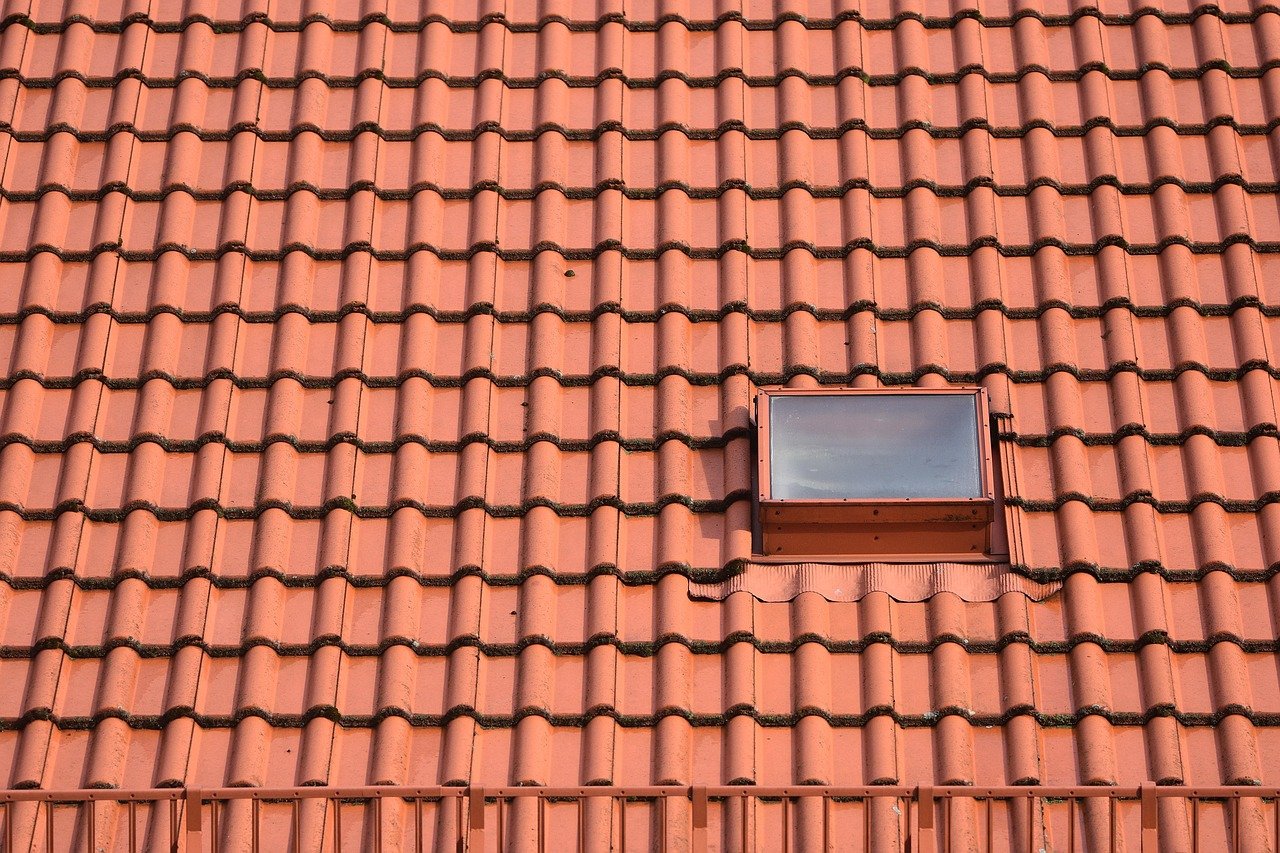
Clay tiles bring timeless elegance and unmatched durability to any home. They resist fire, insects, and extreme weather, often lasting 50 to 100 years or more. Yet tiling a roof with clay tiles demands precision, careful planning, and respect for safety. A single misstep can lead to leaks, structural issues, or costly repairs. This guide shares seven essential tips to help homeowners, advanced DIYers, and roofing professionals achieve a successful installation. Whether you’re upgrading your home or tackling a new build, these steps emphasize structural integrity, proper materials, and proven techniques.
1. Evaluate Your Roof’s Structural Integrity and Pitch
Before placing a single tile, verify your roof can handle the weight. Clay tiles typically weigh 8 to 10 pounds per square foot, far heavier than asphalt shingles. Weak framing may require reinforcement, such as adding rafters or sistering joists. Consult a structural engineer to confirm load-bearing capacity, especially for older homes.
Roof pitch matters too. Most building codes require a minimum slope of 2.5:12 (about 21 percent) for clay tiles. Slopes between 2.5:12 and 4:12 often need double underlayment for better weatherproofing. Steeper pitches improve drainage and reduce the risk of water infiltration. Check local codes and manufacturer guidelines, as some tiles allow lower pitches with special systems.
2. Gather the Right Tools and Materials
Success starts with quality supplies. Choose high-grade clay tiles (terra cotta) that match your climate and aesthetic. Look for ASTM C1167 compliance for strength and consistency.
Essential tools include:
- Chalk line and level for alignment
- Tile cutter or angle grinder with diamond blade
- Hammer or roofing nailer
- Roofing nails (corrosion-resistant, long enough to penetrate 1/2 inch into decking)
- Safety harness, ladder, and fall protection gear
Materials needed:
- Synthetic underlayment or roofing felt
- Ice and water shield (especially in valleys and eaves)
- Wooden or metal battens (1×2 or 1×3)
- Drip edge, step flashing, and counter flashing
- Ridge and hip tiles, starter tiles, and sealant
Stock extra tiles for cuts and breakage. Order 10 to 15 percent more to account for waste.
3. Install Proper Roofing Underlayment and Flashing
Underlayment forms your first line of defense against water. Install synthetic underlayment or #30 felt over solid decking (minimum 15/32-inch plywood). Start at the eaves and work upward, overlapping rows by at least 4 to 6 inches. Secure with roofing nails every 6 inches along edges and 12 inches in the field.
Apply ice and water shield in valleys, around penetrations, and along eaves. Install drip edge flashing along the eaves and rakes to direct water away from fascia. Use step flashing around chimneys and vents, integrating it with shingles or siding. Proper flashing installation prevents leaks at vulnerable points.
4. Set Up the Batten System
Battens provide secure attachment points and create airflow beneath tiles. Mark horizontal lines with a chalk line, spacing battens according to your tile’s gauge (exposure length). Most manufacturers recommend 12 to 14 inches on center, but follow exact specs.
Secure battens with screws or nails into rafters. Ensure level installation for uniform tile rows. In high-wind areas, use counter battens vertically to enhance uplift resistance.
5. Master Headlap and Overlap Requirements
Headlap (vertical overlap) and sidelap (side overlap) determine weatherproofing. Most clay tiles require a minimum 3-inch headlap. Some profiles need more on lower pitches.
Stagger joints so gaps align with the center of tiles below. This prevents water from penetrating. Maintain consistent exposure (visible tile length) for even appearance. Use a level frequently to check alignment.
6. Install Tiles from the Eave Upward
Start at the eaves with starter tiles or a special eave closure. Secure them with two nails per tile. Lay field tiles row by row, working from right to left or left to right depending on profile.
Hook each tile onto the batten and fasten with nails through pre-drilled holes or clips. Avoid over-tightening to prevent cracking. Cut tiles precisely for hips, valleys, and edges. Overhang the eaves by 1/2 to 3/4 inch for proper runoff.
7. Complete with Ridge, Hip Tiles, and Final Inspection
Finish with ridge and hip tiles. Secure them with mortar, foam, or clips, ensuring a minimum 2-inch headlap. Seal joints to prevent leaks. Install cap tiles over ridges for a clean look.
Conduct a thorough inspection. Check for loose tiles, gaps, or poor alignment. Verify all flashing and penetrations are sealed. Walk the roof carefully or use binoculars from the ground.
Cost Considerations
Expect to pay $11 to $30 per square foot installed, depending on tile style, location, and labor. Materials alone range from $5 to $15 per square foot. Professional installation ensures code compliance and warranties.
Maintenance Tips After Installation
Inspect annually for cracked tiles or debris. Clean gently every 3 to 5 years with low-pressure water. Avoid harsh chemicals that can damage the glaze. Install zinc or copper strips near the ridge to deter moss and algae naturally.
Conclusion
Tiling a roof with clay tiles rewards patience and precision with a stunning, long-lasting result. Follow these seven tips to protect your home and enhance its curb appeal. If the project feels overwhelming, hire a certified roofing contractor. Their expertise can save time, money, and headaches. Ready to start? Gather your materials and plan carefully for a roof that will stand the test of time.
You May Also Like: Resurface Ceramic Floor Tile: Replace or Refinish?
 Arthur