
Imagine hosting a dinner party only to notice your chandelier bulbs look dim, yellowed, or mismatched after years of use. Or maybe you are swapping out an old sconce and the new bulb simply will not screw in. Frustrating, right? That small detail can ruin the entire ambiance of a room. Enter the E12 bulb, the unsung hero of decorative lighting.
This guide walks you through exactly what an E12 bulb is, how to identify it in your fixtures, and why switching to modern LED versions transforms your space. Whether you are a homeowner refreshing a vintage chandelier, an interior design enthusiast curating the perfect glow, or a DIYer tackling a quick fixture upgrade, you will finish this article ready to shop confidently and light your home beautifully.
What Is an E12 Bulb and How Does Its Base Work?
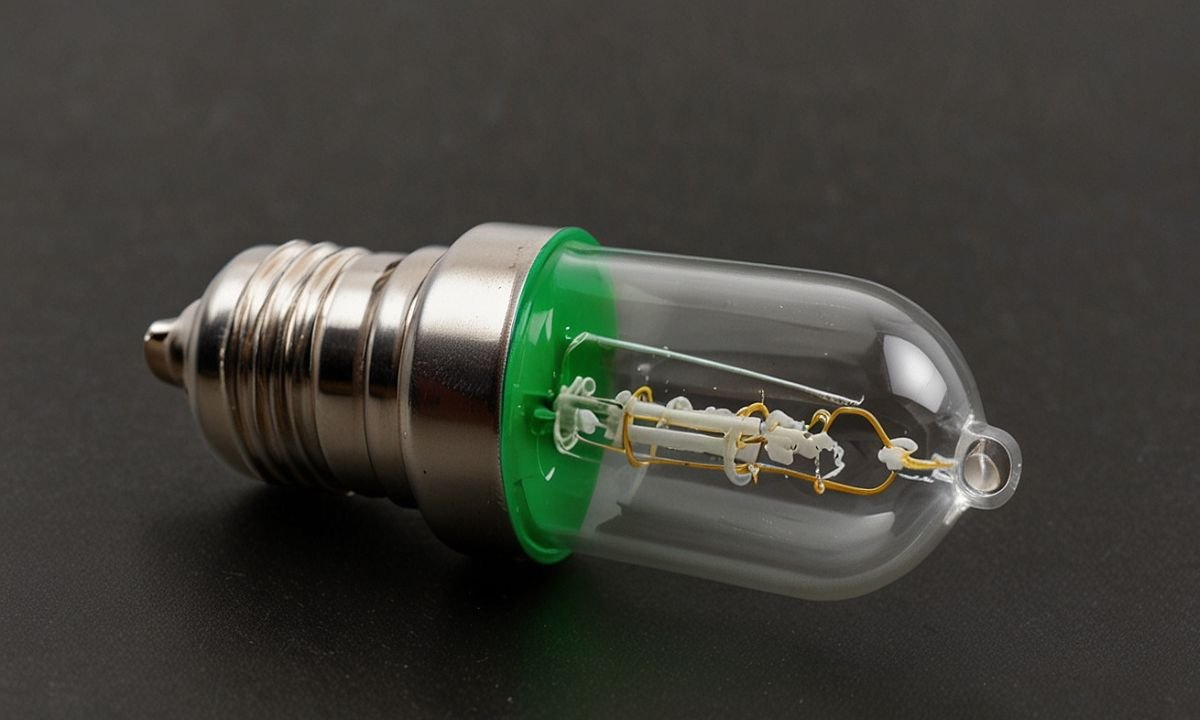
An E12 bulb refers to any light bulb with a specific screw-in base known as the candelabra base. The “E” stands for Edison screw, named after Thomas Edison who invented the screw base system still used today. The number “12” indicates the diameter of the base measured in millimeters: exactly 12 mm, or roughly 0.47 inches.
This compact size allows manufacturers to create elegant, slender bulb shapes that fit beautifully inside intricate fixtures. Unlike bulkier bases, the E12 bulb base keeps the overall design sleek so multiple bulbs can cluster together in a chandelier without looking crowded.
The base itself features the classic right-hand thread Edison screw design. When you twist the bulb clockwise into the socket, the threads engage securely and make electrical contact at the bottom tip and the threaded sides. Standards from the International Electrotechnical Commission (IEC 7004-28-2) ensure every E12 bulb fits precisely, preventing wobble or poor connections.
E12 Base Diameter in Inches and Key Specs
For quick reference, the E12 base diameter in inches is about 0.47 inches at the widest thread point. The full base height usually measures between 15 and 17 mm tall. These precise dimensions matter when you are replacing bulbs in older fixtures or importing European-style lamps.
How to Identify an E12 Bulb in Your Home Fixtures
Spotting an E12 bulb takes just a minute. First, turn off the power and remove the bulb safely. Look for tiny numbers printed on the glass or metal base, such as “E12,” “Candelabra,” or “MES” (Miniature Edison Screw).
If no markings appear, grab a ruler or caliper and measure across the base threads. A true E12 bulb base will measure right around 12 mm. Another easy test: compare it to a standard household bulb. If the base looks about half the width of a regular lamp socket, you are looking at an E12.
Common places you will find them include:
- Crystal or brass chandeliers
- Wall sconces in hallways or bathrooms
- Decorative table lamps
- Ceiling fan light kits
- Outdoor lanterns
Pro tip: Take a quick photo of the empty socket with a coin for scale before heading to the store. It saves guesswork.
E12 vs E26 Bulb Size: Why They Are Not Interchangeable
One of the most common mix-ups happens between E12 and E26 bulbs. The difference comes down to size and application.
An E26 bulb (the standard medium base found in most table lamps and ceiling fixtures) measures 26 mm in diameter, roughly 1 inch. It is twice as wide as an E12 and designed for higher-wattage, everyday lighting.
You cannot swap them. An E12 bulb will rattle loosely in an E26 socket and fail to make proper contact. Likewise, an E26 bulb simply will not fit into a candelabra fixture. Always match the base exactly to avoid damage or fire hazards.
Where E12 Bulbs Shine: Decorative Lighting Applications
E12 bulbs excel wherever style matters more than raw brightness. Chandeliers use them because multiple small bulbs create sparkling focal points. Wall sconces benefit from the slim profile that keeps shades elegant and close to the wall. Even modern ceiling fans often incorporate E12 candelabra bulbs for a clean look.
These bulbs also appear in holiday string lights, night-light fixtures, and antique-style lamps. Their smaller scale lets designers pack more visual interest into compact spaces without overwhelming the room.
Why Switch to LED E12 Bulbs? The Retrofit Revolution
Traditional incandescent E12 bulbs (usually rated at 40 watts or less) burned hot, lasted only about 1,000 hours, and wasted energy. LED technology changes everything.
A quality LED retrofit uses just 4 to 6 watts while delivering the same usable light. That means dramatic energy savings (up to 85 percent) and bulbs that last 15,000 to 25,000 hours, or roughly 10 to 15 years of daily use. Heat output drops dramatically, too, so your fixtures stay cooler and safer.
E12 Bulb Equivalent for 40W: Lumens vs Wattage Explained
Shopping by watts no longer works with LEDs. Focus on lumens (actual light output) instead.
A classic 40-watt incandescent E12 bulb produced roughly 400 to 450 lumens. The modern equivalent is a 4- to 5-watt LED candelabra bulb. Look for packages that clearly state “40W equivalent” or list 450 lumens.
Higher-end options reach 60W equivalent (around 600-800 lumens) using only 6-8 watts. Always check the lumens rating printed on the box to match the brightness you remember from the old bulb.
Choosing the Best E12 LED Bulbs for Chandeliers and Sconces
Not all E12 LED bulbs perform the same. Here is what matters most for decorative fixtures.
Bulb Shapes That Fit Your Style
Popular shapes include:
- B10 or B11: Classic torpedo or candle shape, perfect for traditional chandeliers
- C7 or C9: Flame-tip style that adds romantic flair to sconces
- CA10: Slightly more rounded candle look
Clear glass versions with visible filament style LEDs mimic vintage Edison bulbs beautifully when the fixture has no shade.
Color Temperature (Kelvin) for the Right Mood
Warm white (2700K) creates the cozy, inviting glow most people love in living and dining areas. Some specialists recommend 2400K for an even softer, candle-like effect in chandeliers. Avoid daylight (5000K) here. It feels too clinical for decorative settings.
Dimmable E12 LED Bulb Warm White Options
Dimmability turns good lighting into great lighting. Search for bulbs labeled “dimmable.” Newer dim-to-warm technology goes one step further: as you lower the dimmer, the color temperature shifts from 2700K down toward 2200K, exactly the way old incandescent bulbs behaved. Brands like Philips offer excellent dim-to-warm E12 LED bulbs that feel luxurious.
High CRI for True-to-Life Color
Choose bulbs with a Color Rendering Index (CRI) of 90 or higher. High CRI ensures colors in your room (paint, fabrics, artwork) look rich and accurate instead of washed out.
Step-by-Step Guide to Replacing E12 Bulbs
- Turn off power at the switch and breaker.
- Let bulbs cool completely.
- Unscrew the old bulb counterclockwise.
- Check the socket for debris and clean gently if needed.
- Screw in the new E12 LED bulb until snug (do not overtighten).
- Restore power and test the dimmer if applicable.
For multi-bulb chandeliers, replace all bulbs at once so color and brightness stay consistent.
Common Pitfalls to Avoid When Buying E12 Bulbs
- Buying non-dimmable bulbs for a dimmer switch (they will flicker or fail early)
- Ignoring lumens and choosing based on watts alone
- Skipping CRI ratings (your room may look dull)
- Purchasing bulbs too tall for your fixture shades
- Forgetting to confirm the exact base size (E12 vs E14 in some imported lamps)
Latest Trends in E12 Decorative Lighting
Smart E12 bulbs with app control or voice activation now exist for chandeliers. Tunable white options let you shift from warm morning light to brighter evening settings. The biggest trend remains filament style LEDs paired with dim-to-warm technology, giving homeowners that classic incandescent charm with none of the drawbacks.
Installation and Maintenance Tips from the Pros
Keep fixtures clean. Dust on bulbs reduces light output by up to 20 percent. Use a microfiber cloth and avoid harsh chemicals. For outdoor sconces, choose bulbs rated for wet or damp locations. Store spare E12 bulbs in a labeled box so you always have the right replacement handy.
Conclusion: Light Up Your Home with Confidence
Understanding the E12 bulb removes the mystery from decorative lighting upgrades. With the right candelabra base LED, you gain energy efficiency, beautiful filament styling, reliable dimming, and decades of worry-free performance.
Ready to transform your chandeliers and sconces? Head to your local home center or favorite online retailer and look for dimmable, high-CRI E12 LED bulbs in warm white. Your rooms will thank you with the perfect glow every time you flip the switch.
For more home lighting inspiration, check our guide to choosing color temperature across your entire house.