
San Antonio drivers deal with intense summer sun, fast-moving highway traffic, limestone dust, insects, sudden rain, and long hours of parked-car heat. Choosing ceramic coating for cars in San Antonio, TX, can be part of a smart appearance and maintenance plan, but it works best when paired with a clear understanding of what each protection option actually does.
Window tint, paint protection film, and ceramic coatings solve different problems. A downtown commuter, a family SUV regularly headed toward the Hill Country, and a weekend performance-car owner may all need different combinations of services based on where, when, and how the vehicle is driven.
Why San Antonio Vehicles Need More Than a Basic Wash
A routine wash removes loose grime, but it cannot prevent sun exposure, paint chips, or interior wear. South Texas heat can quickly make a parked cabin uncomfortable, while gravel on Loop 1604, I-10, and expanding suburban roads can punish front bumpers, mirrors, rocker panels, and hoods. Checking the daily UV Index scale is a useful reminder that brightness and ultraviolet intensity are not always the same thing.
For drivers searching for “automotive ceramic coating near me,” the practical starting point is to identify the surface that needs help. Tint is for glass and cabin comfort. Film protects paint from physical wear. Coatings make finished surfaces easier to maintain. No single product can fully replace the others.
How Window Tint Helps With Heat and Glare
Quality automotive window film can reduce harsh glare during bright daytime driving, improve cabin comfort, add privacy, and help limit ultraviolet exposure on seats, dashboards, and trim. This is especially relevant for vehicles parked outdoors at work, school, shopping centers, or trailheads around San Antonio.
Visible light transmission, or VLT, describes how much visible light passes through the glass and film together. A lower percentage looks darker. However, a darker film is not automatically better at controlling heat. Dyed film is often a basic, appearance-focused option; carbon film can offer a non-metallic upgrade; metallic film may affect certain electronic signals; and ceramic film is commonly selected for heat rejection without relying on metal.
- Windshield film must generally stay above the AS-1 line, or end no lower than five inches from the top if no AS-1 line exists.
- Front side windows must allow at least 25 percent light transmission and generally cannot exceed 25 percent reflectance.
- Rear side windows are treated differently under Texas rules.
- A rear window may have different requirements depending on whether the vehicle has qualifying outside mirrors on both sides.
- Red, amber, and blue windshield film are prohibited, and a compliance label is required in the designated driver-side location.
- Medical exceptions may apply in certain circumstances, but drivers should keep the required signed documentation in the vehicle.
Where Paint Protection Film Makes Sense
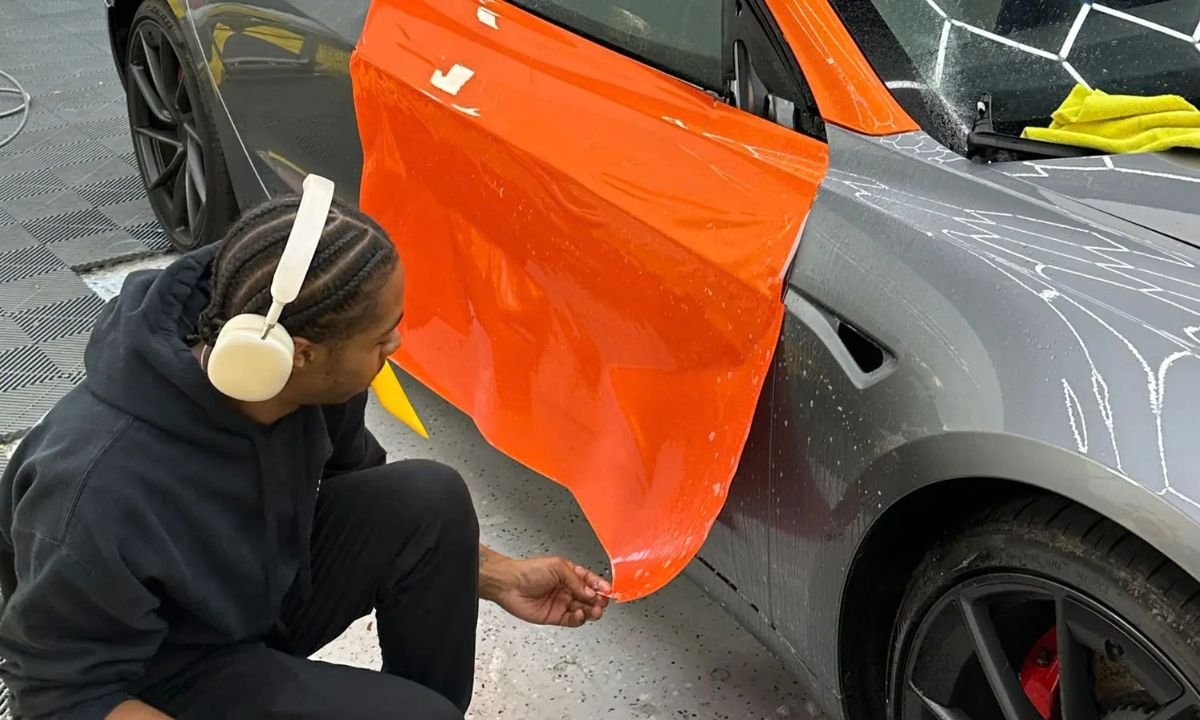
PPF is a clear, durable layer applied over paint to help absorb the everyday abuse that can leave chips, scuffs, and light scratches. For a San Antonio vehicle that spends time on highways or unpaved roads, the best value often comes from covering the most exposed areas rather than automatically wrapping every panel.
- Front bumper, grille surround, and lower valance.
- Leading hood and fender sections.
- Side mirrors, door edges, and door-handle cups.
- Rocker panels, especially on trucks, SUVs, and wide-tire vehicles.
- Rear cargo sills and loading points that see strollers, coolers, tools, or sports gear.
PPF cannot stop a deep dent, major collision damage, or every sharp impact. Paint preparation, clean panel edges, accurate fitment, and proper curing all influence how natural the finished installation looks.
What Ceramic Coatings Can and Cannot Do
A ceramic coating is a liquid protective product that bonds to properly prepared paint, and sometimes to wheels, trim, or glass. It can enhance gloss and create a more water-repellent surface, helping dust and normal road film release more easily during careful washing.
What a Ceramic Coating May Help With
- Maintaining a cleaner-looking finish between washes.
- Making routine washing and drying easier.
- Reducing the way light contamination clings to paint.
- Supporting a deep, polished appearance when paint is properly corrected first.
What It Does Not Replace
- PPF in areas exposed to rocks, sand, and road debris.
- Safe washing methods, clean microfiber towels, and pH-neutral soap.
- Prompt removal of bird droppings, tree sap, and bug residue.
- Paint correction when swirls, oxidation, or etched spots are already present.
Choosing Protection for Your Vehicle Use
- Daily commuters: Prioritize legal glare control, cabin comfort, and front-end paint protection if highway miles are common.
- Family SUVs: Consider rear-cabin comfort, easy-clean coatings, door-edge film, and cargo-sill protection.
- Work trucks: Focus on rocker panels, door sills, bed edges, and surfaces exposed to tools or equipment.
- Luxury and performance vehicles: Consider broader PPF coverage, careful paint correction, and a coating to make long-term upkeep easier.
Installation Questions and Maintenance
Ask which product is being installed, what performance information supports its claims, which panels will receive film, whether the glass will be measured after tinting, and what written warranty applies. Also ask whether existing paint needs correction and how lifting edges, bubbles, peeling, or discoloration will be handled.
After service, follow the recommended curing period before washing. Use clean microfiber towels, avoid abrasive tunnel washes, remove contaminants quickly, keep sharp tools away from film edges, and inspect seams during normal cleaning. A protection plan that fits San Antonio driving conditions, Texas rules, and realistic maintenance habits will deliver more lasting value than simply choosing the darkest tint or the most extensive package.
Conclusion
Choosing the right vehicle protection in San Antonio starts with understanding how tint, PPF, and ceramic coatings serve different purposes. Consider driving habits, local weather, legal requirements, and maintenance needs before investing. With proper installation and consistent care, these upgrades can improve comfort, appearance, and long-term vehicle upkeep.
 Decor Drip