
Maintaining your home’s plumbing system is crucial for preventing unexpected breakdowns and keeping your household running smoothly. Routine care not only reduces the risk of costly emergency repairs but also extends the life of your fixtures and pipes. Whether you are a DIY enthusiast or unsure where to start, practical tips can simplify plumbing upkeep for everyone. If you’re in Utah, calling a professional plumbing contractor in Murray, Utah is always wise for larger repairs or inspections.
Proactive homeowners who keep an eye on their plumbing can enjoy a more comfortable, efficient living space, catch problems early, and save on water bills. With regular inspections, maintenance, and mindful habits, your pipes, drains, and appliances will serve you well for years to come.
Regularly Inspect for Leaks
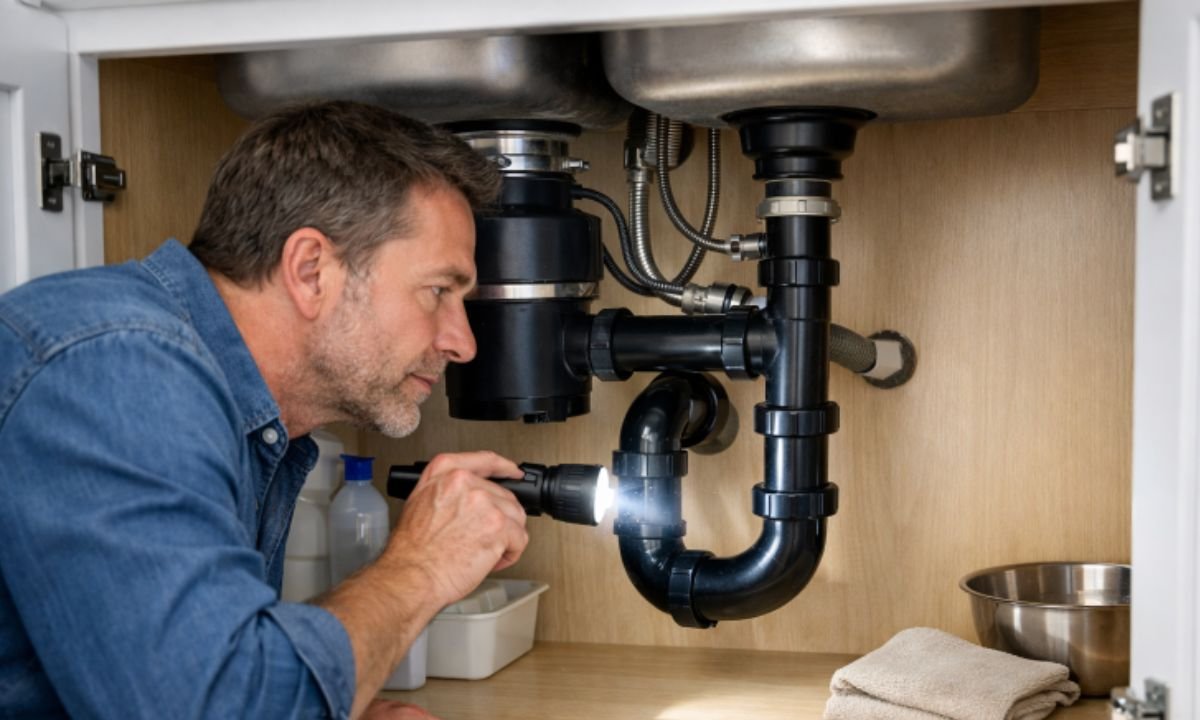
Undetected leaks, even those that seem minor, can waste thousands of gallons of water annually and foster mold growth or structural damage. Set a reminder every few months to check under sinks, around your toilets, and near the base of appliances like dishwashers and washing machines. Look for pooled water, damp cabinets, mold, or persistent musty odors. Identifying and fixing leaks early not only saves water but can help you avoid larger plumbing bills down the road.
Avoid Chemical Drain Cleaners
Many homeowners reach for chemical drain cleaners when faced with clogs, but these can weaken the pipes and harm the environment. Instead, use a plunger or a drain snake to clear blockages. For routine maintenance, pour a mixture of baking soda followed by vinegar down the drain. After letting it sit for about 15 minutes, rinse with hot water. This simple trick can help prevent buildup and reduce the risk of stubborn clogs without causing damage.
Be Mindful of What Goes Down the Drain
Many plumbing problems result from items being flushed or washed down the drain that shouldn’t be there. Even products marketed as “flushable” wipes can wreak havoc, clogging your pipes. Keep a garbage can near each toilet and sink for items like wipes, dental floss, grease, food scraps, and hair. Ensuring only water, human waste, and toilet paper go down your drains is a key way to keep your pipes clear.
Test Water Pressure
High water pressure can cause pipes and appliances to wear out prematurely or even burst. The ideal residential water pressure typically falls within the 40-60 psi range. An affordable pressure gauge, available at most hardware stores, attaches to an outdoor spigot for a quick reading. If your water pressure reads too high, use a pressure-reducing valve to bring it back into a safe range and protect your plumbing.
Some plumbing issues, like persistent leaks or strange noises in your pipes, may signal larger system problems. For more details on how to spot and solve such issues, check out this comprehensive guide from Family Handyman.
Maintain Your Water Heater
Most water heaters perform optimally when flushed annually to remove sediment buildup. Sediment not only reduces efficiency but can also corrode the tank, significantly shortening its lifespan. Many models make it easy to attach a hose to the drain valve and flush out the contents. Additionally, check the anode rod every few years and replace it as necessary to prevent rust inside the tank. Proper water heater maintenance will help ensure consistent hot water and lower utility bills.
Protect Pipes from Freezing
Frozen pipes are a common cause of major water damage in colder regions. To mitigate this risk, insulate any exposed pipes in garages, crawlspaces, or along exterior walls. During periods of extreme cold, open cabinet doors to allow warm air to circulate around plumbing and leave faucets on a slow drip. Keep your home heated and be especially vigilant during prolonged winter absences. Resources from Consumer Reports offer more strategies for preventing frozen pipes.
Know Your Shut-Off Valves
In any plumbing emergency, whether a burst pipe or sudden leak, you must act fast. Take the time now to locate your home’s main water shut-off valve, usually in the basement, crawlspace, or where the water line enters your home. Also, know the location of shut-off valves for toilets, sinks, and major appliances. Being familiar with these locations may minimize water damage if disaster strikes and give you peace of mind.
Schedule Regular Professional Inspections
No matter how vigilant your DIY maintenance routine may be, some issues require the trained eye of a professional plumber. Schedule a comprehensive plumbing inspection every year to identify hidden problems, such as minor leaks, corrosion, or signs of deteriorating pipes. A plumbing expert offers valuable advice and preventative services that go beyond basic upkeep, ensuring your system remains reliable for years to come.
By following these expert-endorsed plumbing maintenance tips, homeowners can enjoy a safe, efficient, and problem-free plumbing system, all while protecting their investments in home comfort.
 Decor Drip