
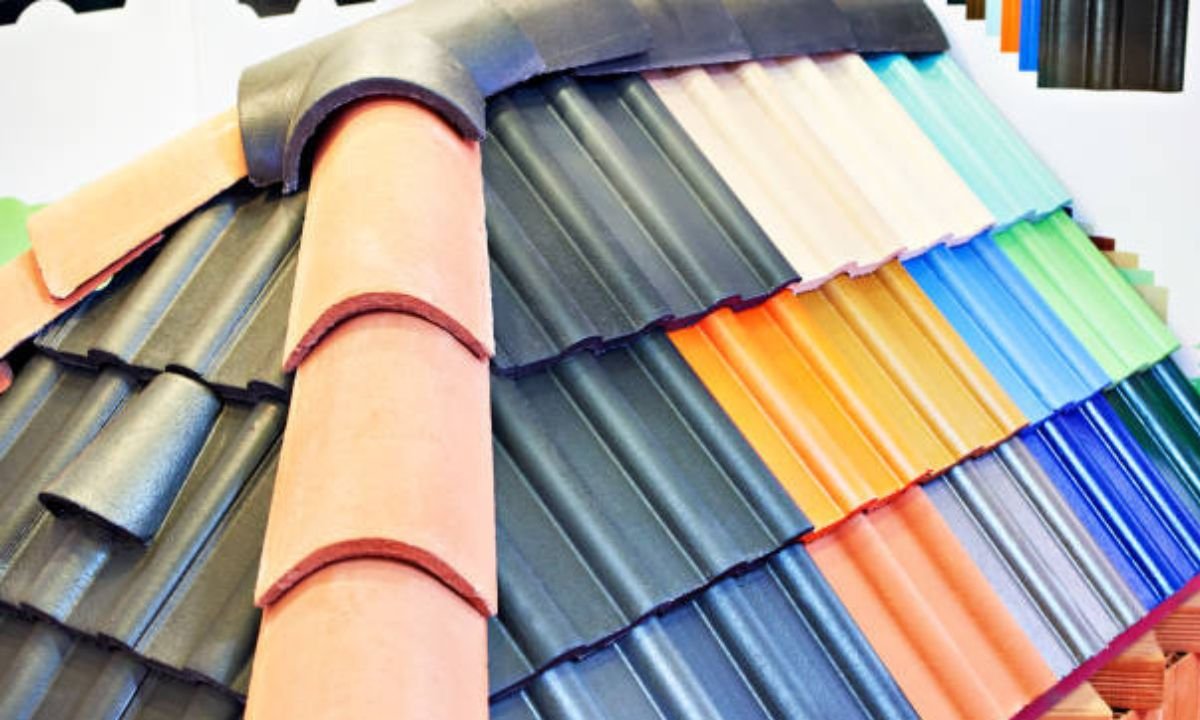
Protecting your Minnesota home from the state’s harsh, unpredictable weather requires selecting the right roofing material. With options ranging from asphalt shingles to metal roofing, understanding the pros and cons of each can help you make an informed decision that ensures durability, energy efficiency, and aesthetic appeal. For expert guidance, consider consulting with professionals specializing in roofing Rochester MN, such as Above All Roofing Of Rochester. This locally owned company is renowned for its commitment to quality craftsmanship and customer satisfaction, serving Rochester and the surrounding communities with a comprehensive range of roofing services.
Understanding Minnesota’s Unique Climate Challenges
Minnesota’s climate presents unique challenges for homeowners. Winters are characterized by heavy snowfall and freezing temperatures, while summers bring heat, humidity, and the occasional severe storm. These conditions demand roofing materials that can withstand significant temperature fluctuations, resist moisture, and handle the weight of snow and ice.
Popular Roofing Materials for Minnesota Homes
Asphalt Shingles
Asphalt shingles are the most common roofing material in Minnesota, primarily due to their affordability and ease of installation. They come in various styles and colors, allowing homeowners to achieve the aesthetic they desire. However, their lifespan typically ranges from 15 to 25 years, and they may be susceptible to wind and hail damage. To enhance durability, consider Class 4 impact-rated asphalt shingles, which offer better resistance to severe weather.
Metal Roofing
Metal roofs are known for their longevity, often lasting 40 to 70 years. They are highly resistant to extreme weather, including heavy snow and ice, thanks to their smooth surface, which allows snow to shed easily. Additionally, metal roofs are fire-resistant and can reflect solar heat, contributing to energy efficiency. The initial cost is higher than that of asphalt shingles, but the long-term benefits can outweigh the upfront investment.
Cedar Shakes
Cedar shakes offer a natural and rustic appearance that many homeowners find appealing. They provide good insulation and can last around 20 to 30 years with proper maintenance. However, cedar is more susceptible to fire, rot, and insect damage, especially in humid climates. Regular maintenance, including preventive treatments, is essential to prolong their lifespan.
Synthetic Roofing Materials
Synthetic roofing materials, such as composite shingles, are designed to mimic the appearance of natural materials like slate or wood while offering enhanced durability and lower maintenance requirements. These materials are often lighter, reducing the structural load on your home, and can be more resistant to weather-related damage. They typically come with longer warranties and can be a cost-effective alternative to natural materials.
Additional Roofing Materials to Consider
Slate Roofing
For homeowners seeking a premium and durable option, slate roofing is an exceptional choice. Slate tiles are renowned for their beauty and classic appearance, offering unmatched longevity, often lasting over 100 years when properly maintained. This material is naturally fire-resistant and incredibly sturdy, standing up well against Minnesota’s freeze-thaw cycles. However, slate is very heavy and may require additional support for your home’s structure. It also comes at a significantly higher upfront cost and requires professionals experienced in its specialized installation.
Clay and Concrete Tiles
Though less common in the Midwest, clay and concrete tiles offer excellent durability and very low maintenance requirements. These materials are fire-resistant and can handle severe temperature swings, though they are best suited for homes with steeper pitches and sturdy frames that can support their weight. Their unique appearance can enhance curb appeal, especially for Mediterranean or Southwestern-style homes, but bear in mind the cost and the added load to your roof.
Factors to Consider When Choosing Roofing Materials
- Durability: Consider the material’s ability to withstand Minnesota’s weather conditions, including heavy snow, ice, and temperature fluctuations.
- Maintenance: Evaluate the level of upkeep required to maintain the roof’s integrity and appearance over time.
- Energy Efficiency: Some materials offer better insulation and reflectivity, contributing to lower energy bills.
- Cost: Balance the initial investment with the expected lifespan and maintenance costs of the roofing material.
- Aesthetic Appeal: Choose a material that complements your home’s architectural style and enhances its curb appeal.
- Environmental Impact: Many homeowners today are interested in eco-friendly roofing options. Metal and slate roofs, for example, are highly recyclable, and some synthetic materials incorporate recycled content. Consider also the material’s energy efficiency and longevity, as these contribute to a reduced overall environmental footprint.
- Local Building Codes and HOA Requirements: Always check with your city and any homeowners association to ensure your roofing material of choice complies with established regulations. Some neighborhoods or historic districts have strict requirements regarding roofing materials and colors.
Roof Ventilation and Insulation
Beyond the material itself, proper roof ventilation and insulation are key to extending your roof’s life and preventing issues like ice dams. Adequate ventilation prevents moisture from building up in your attic, which can lead to mold, mildew, and even structural damage. Quality insulation helps keep your home warmer in winter and cooler in summer, ensuring your chosen roofing material performs at its best.
Consulting with Local Experts
Given the complexities of selecting the right roofing material, consulting local experts can provide valuable insights tailored to your specific needs. For instance, Above All Roofing of Rochester is a reputable company serving the Rochester, MN area. They specialize in roofing solutions and can offer personalized recommendations tailored to your home’s needs and the local climate. Their expertise ensures that your roofing choice not only meets aesthetic preferences but also provides long-term protection and value.
Conclusion
Choosing the right roofing material for your Minnesota home is a decision that impacts your property’s durability, energy efficiency, and overall value. By understanding the advantages and limitations of each option and consulting with experienced professionals, you can make an informed choice that will protect your home for years to come. In a state known for weather extremes, making the best investment in your roof not only adds peace of mind but enhances comfort and energy savings, season after season.
 Decor Drip