
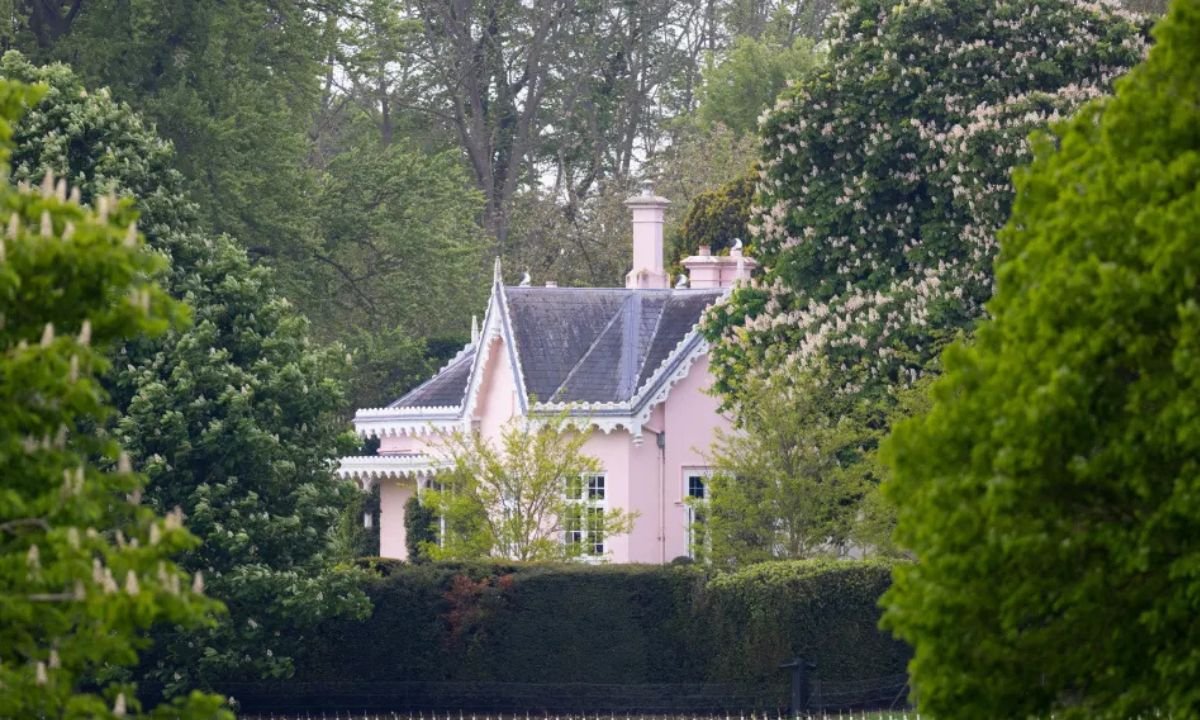
Discover the charm and heritage of Forest Lodge in Windsor Great Park, the Grade II-listed Georgian mansion now serving as the primary residence for Prince William, Princess Catherine, and their children. This historic estate blends classic elegance with modern family living in one of England’s most iconic landscapes.
Moving to a new home often brings excitement mixed with practical challenges, especially when it involves a protected historic property surrounded by vast parkland. For the Prince and Princess of Wales, relocating to Forest Lodge represents a fresh chapter focused on privacy, nature, and raising their family away from central London. In this guide, we explore the mansion’s rich history, architectural highlights, recent updates, and insights into maintaining such a significant estate, drawing on principles every homeowner can apply to their own properties.
Whether you’re inspired by royal residences or simply curious about historic home restoration, Forest Lodge in Windsor Great Park offers timeless lessons in blending heritage with comfortable family life.
The History and Location of Forest Lodge
Forest Lodge sits nestled within the expansive 4,800-acre Windsor Great Park in Berkshire, England. Originally known as Holly Grove, the property dates back to the 1770s as a fine example of Georgian architecture. The Crown Estate acquired it in 1829, and it later served as the residence for the Deputy Ranger of Windsor Great Park until the 1930s.
King Edward VIII renamed it Forest Lodge in 1936, reflecting its woodland setting. Over the years, notable figures including Sir William Fremantle and Sir John Aird called it home. Its Grade II listing, granted in 1972, protects its special architectural and historic interest.
The location provides exceptional privacy while remaining close to key amenities. It lies just a short drive from Lambrook School, which the children attend, and offers easy access to Windsor Castle. Surrounded by ancient woodlands, the estate promotes the kind of outdoor lifestyle that supports family well-being, something many homeowners seek when choosing properties near green spaces.
Architectural Features of This Georgian Mansion
Forest Lodge showcases classic Georgian design with a red brick facade laid in Flemish bond. The structure features a symmetrical front, nine bay windows, six chimneys, and a combination of slate and tile roofing. Inside, visitors would find elegant details like ornate plasterwork, cornicing, marble fireplaces, Venetian windows, and a striking half-barrel vaulted entrance hall.
A major restoration in 2001 preserved these period elements while updating essential services. Such work highlights best practices in historic home renovation: respecting original features while incorporating modern standards for comfort and efficiency.
The house includes eight bedrooms and multiple bathrooms, making it ideal for a growing family. Expansive grounds feature mature trees and landscaped areas that blend seamlessly with the surrounding park. Landscape designer Humphry Repton influenced early plans for the site, emphasizing harmony with the natural environment.
For homeowners tackling similar projects, focus first on structural integrity and material compatibility. Matching brickwork or replicating cornices requires skilled craftsmen to avoid compromising the building’s character.
Key Interior and Exterior Highlights
- Entrance Hall: Vaulted ceiling creates an impressive yet welcoming first impression.
- Reception Rooms: Generous proportions with large windows that maximize natural light and views of the park.
- Exterior Symmetry: The balanced design contributes to its timeless appeal and curb presence.
- Grounds: Private gardens and proximity to woodlands support outdoor activities for all ages.
These elements demonstrate how thoughtful design enhances daily living while maintaining historical value.
Why the Wales Family Chose Forest Lodge as Their Forever Home
In late 2025, Prince William, Princess Catherine, Prince George, Princess Charlotte, and Prince Louis officially relocated to Forest Lodge from Adelaide Cottage. This move offers more space and a greater sense of permanence compared to previous residences.
The family values the peace and connection to nature that the Windsor Great Park setting provides. Princess Catherine has often spoken about the restorative power of the outdoors, and this home aligns perfectly with that philosophy. The estate allows the children room to play while keeping them close to their school and royal duties.
Security enhancements, including a perimeter zone, reflect practical considerations for high-profile families. Homeowners in rural or semi-rural areas can relate to the need for balanced privacy and accessibility.
Home Improvement Lessons from a Royal Estate Restoration
As a home improvement expert, I see Forest Lodge as a masterclass in sensitive upgrades. Renovating a listed building demands careful planning to satisfy heritage requirements while meeting contemporary needs.
Preserving Original Features: During the 2001 works, teams conserved plasterwork and fireplaces. Homeowners should always document existing details before starting projects and consult specialists early.
Modernizing Systems: Updating plumbing, electrical, and heating systems improves energy efficiency without visible changes. Consider low-impact solutions like underfloor heating in period properties to maintain aesthetics.
Landscaping and Drainage: In a parkland setting, proper water management prevents issues with foundations and gardens. Techniques like French drains or permeable surfaces help handle rainfall in large estates, protecting both the home and surrounding landscape.
The Wales family reportedly funded renovations themselves, a common approach for owners of historic homes who want full control over finishes and timelines.
Step-by-Step Approach to Similar Historic Renovations
- Assess the Property: Hire a surveyor experienced with listed buildings to identify priorities.
- Secure Approvals: Work with local heritage officers to gain necessary consents.
- Plan Phased Work: Tackle structural repairs first, then interiors and exteriors.
- Choose Compatible Materials: Source reclaimed bricks or matching slates where possible.
- Incorporate Sustainability: Add insulation discreetly and install efficient heating to reduce long-term costs.
- Focus on Family Functionality: Design flexible spaces for children, storage, and everyday living.
Avoid common pitfalls such as rushing approvals or selecting incompatible modern materials that clash with the original architecture.
Landscaping and Outdoor Features at Forest Lodge
Windsor Great Park provides a stunning backdrop, but maintaining grounds around a historic mansion requires expertise. Mature trees, lawns, and pathways create beautiful yet practical outdoor spaces.
Homeowners can draw inspiration by creating zones for play, relaxation, and wildlife. A tennis court on the property adds recreational value, something many families appreciate in larger homes.
For drainage and soil management in park-like settings, consider professional grading and strategic planting to handle water runoff naturally. These techniques protect both the building and the ecosystem.
Maintaining a Grade II-Listed Home: Practical Tips
Living in a protected property brings rewards and responsibilities. Regular maintenance of roofs, brickwork, and windows prevents costly repairs later.
- Budget for Specialist Work: Factor in higher costs for heritage-compliant materials.
- Energy Efficiency Upgrades: Many older homes benefit from secondary glazing or improved insulation if approved.
- Security Considerations: Balance protection with the property’s character through discreet solutions.
Recent trends show increased interest in restoring Georgian homes with smart technology hidden behind traditional facades. This approach keeps the soul of the building while adding convenience.
The Significance of Forest Lodge in Windsor Great Park
Forest Lodge represents more than a residence. It embodies British heritage, family values, and thoughtful stewardship of the land. For the royal family, it provides a stable base for the next chapter.
Its story inspires anyone restoring or improving their own home. From the elegant symmetry to the integration with nature, the property demonstrates enduring design principles that still apply today.
Conclusion
Forest Lodge in Windsor Great Park stands as a beautiful example of Georgian architecture thoughtfully adapted for modern family life. Its history, elegant features, and parkland setting make it an ideal forever home for Prince William and Princess Catherine’s family.
Key takeaways include the importance of respecting heritage during renovations, investing in quality updates, and creating spaces that support family well-being. Whether you own a historic property or dream of one, these principles can guide your own improvements.
If you’re planning updates to your home or seeking advice on historic renovations, consult a qualified specialist for tailored recommendations. Protecting architectural gems like Forest Lodge ensures their beauty endures for generations.
 Decor Drip