
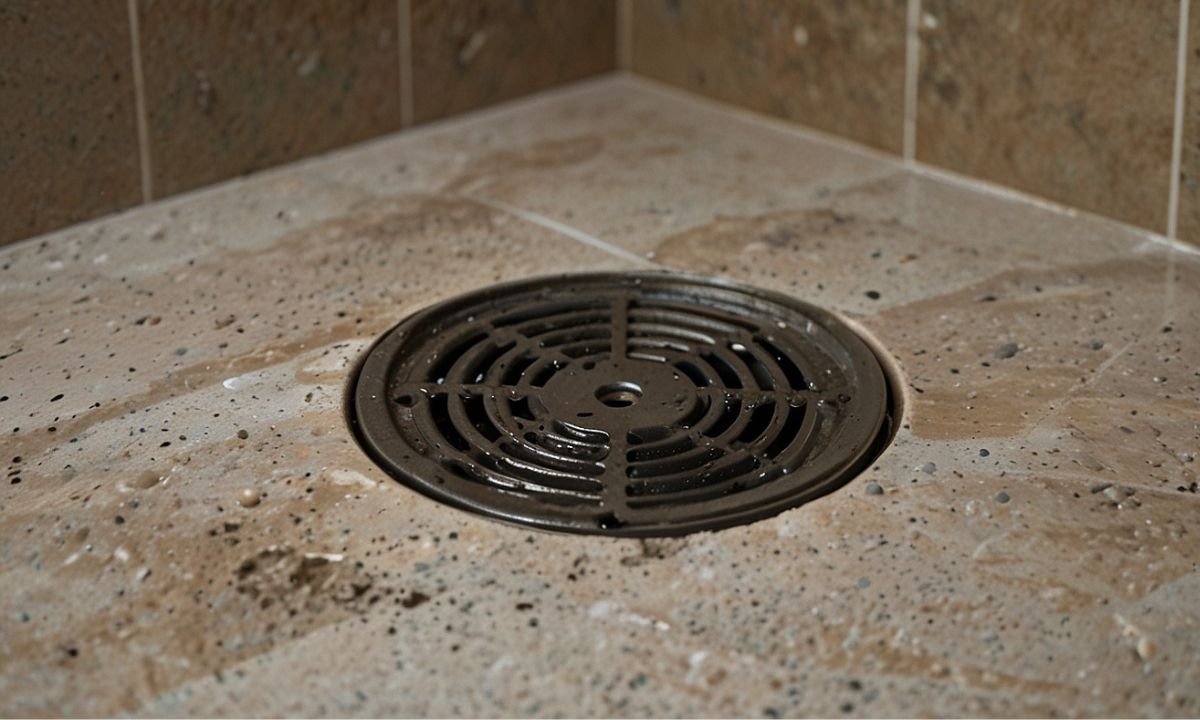
If your shower drain smells but water flows freely with no signs of a clog, you’re not alone. This common bathroom issue often leaves homeowners puzzled and a bit grossed out. The good news? You can usually solve it yourself without calling a plumber or tearing out pipes. In this guide, I’ll walk you through the most likely causes and simple, effective fixes that actually work.
Whether it’s a rotten egg smell, a musty odor, or something that reminds you of sewage, we’ll cover what to do step by step. Most of these solutions use items you already have at home and take less than an hour.
Why Your Shower Drain Smells Even When It’s Not Clogged
A shower drain that smells usually points to something other than a blockage. The pipe still drains fine, but odors escape from the system. Here are the top reasons this happens.
Dry P-Trap: The Most Common Culprit
Every drain has a P-trap, that U-shaped section of pipe under the floor or in the wall. It holds a small amount of water to create a seal that keeps sewer gases from rising into your bathroom.
If you don’t use the shower often, like in a guest bathroom, that water evaporates. Once the trap runs dry, smells come right up through the drain. This explains why the odor seems stronger after the shower sits unused for days or weeks.
Biofilm Buildup Inside the Pipes
Even with good drainage, soap scum, body oils, hair, and skin cells stick to the inside of pipes. Bacteria love this gunk and create a slimy layer called biofilm. As the bacteria break it down, they release unpleasant musty or rotten smells.
This buildup happens gradually and does not always slow the water flow enough to feel like a clog.
Dirty Drain Grate and Overflow Areas
The visible drain cover and any overflow holes collect residue too. Hair, soap, and moisture create perfect spots for bacteria and mold to grow in the small crevices.
Plumbing Vent Problems
Your home’s plumbing vents on the roof allow air to flow so drains work properly. If a vent gets blocked by leaves, nests, or debris, it can disrupt pressure and pull water out of the P-trap, letting odors escape.
Other less common causes include issues with shared pipes in apartments or older homes with deteriorating pipes, but the first three causes cover most situations.
Tools and Materials You’ll Need
Before you start, gather these basic supplies:
- Baking soda
- White vinegar
- Boiling water
- Dish soap or mild cleaner
- Old toothbrush or small scrub brush
- Screwdriver (for removing the drain grate)
- Rubber gloves
- Flashlight
- Enzyme-based drain cleaner (optional but helpful for tough cases)
- Bucket or large bowl
These items cost very little, and you might already have most of them.
Step-by-Step Fixes for a Smelly Shower Drain
Start with the simplest solution and work your way down. Many people see results after the first or second step.
1. Refill the Dry P-Trap
This takes about one minute and fixes the problem instantly for many households.
- Run hot water from the shower for a full minute. Let it flow steadily to refill the trap.
- If the shower is rarely used, do this once a week as prevention.
- For extra assurance, pour a cup of water mixed with a teaspoon of mineral oil or vegetable oil down the drain. The oil sits on top of the water and evaporates more slowly.
Test the odor after the shower floor dries. If it still smells, move to the next step.
2. Clean Biofilm with Baking Soda and Vinegar
This natural method breaks down gunk without harsh chemicals.
- Remove the drain grate with a screwdriver if possible.
- Pour 1/2 cup of baking soda directly down the drain.
- Immediately follow with 1 cup of white vinegar. It will fizz and bubble, which helps loosen the biofilm.
- Cover the drain with a plug or wet cloth and let the mixture sit for 15 to 30 minutes.
- Flush with a kettle of boiling water. Repeat the boiling water flush two or three times.
For tougher buildup, add a few drops of dish soap to the baking soda before the vinegar. The soap helps cut through oils.
3. Scrub the Drain Grate and Visible Parts
- Take the grate outside or to a utility sink.
- Scrub both sides with hot soapy water and an old toothbrush. Pay special attention to the slots and edges.
- If you have a lift-and-turn or push-button stopper, remove it and clean thoroughly.
- For the overflow plate (if your shower has one), use the toothbrush to reach inside the holes.
- Rinse everything well and reinstall.
Many people are surprised how much smell disappears after this simple cleaning.
4. Use an Enzyme Cleaner for Deeper Cleaning
If the natural method helps but the smell returns quickly, try an enzyme drain cleaner. These products use good bacteria to eat the biofilm without damaging pipes.
Follow the package instructions, usually pouring the product down the drain at night and leaving it undisturbed for several hours.
5. Check and Improve Ventilation
If odors continue after cleaning:
- Look at the roof vent pipe for blockages. You may need a ladder and gloves to clear leaves or debris.
- Run water in all nearby sinks and showers at the same time to see if pressure issues appear.
- Consider installing a one-way vent valve if your system lacks proper venting, but this is a job for a licensed plumber in most cases.
When to Call a Professional Plumber
Try the DIY fixes first. Call a plumber if:
- The smell returns within a few days despite regular cleaning
- You notice gurgling sounds or slow drainage starting to develop
- Multiple drains in the house smell at the same time
- You suspect a vent stack or main line issue
A plumber can use a camera to inspect pipes and fix hidden problems.
How to Keep Your Shower Drain Smelling Fresh
Prevention beats dealing with odors later. Follow these habits:
- Run water for a minute after each shower to flush residue and keep the P-trap full.
- Use a monthly baking soda and vinegar treatment as maintenance.
- For guest bathrooms, run water once a week or pour a cup of water down the drain regularly.
- Consider a hair catcher or drain strainer to catch debris before it enters the pipes.
- Avoid pouring grease, coffee grounds, or thick cleaners down the shower drain.
These small routines make a big difference over time.
Real Results: What Homeowners Report
Many readers share that refilling the P-trap solved their issue immediately. Others needed two or three rounds of deep cleaning before the smell stayed gone. In older homes, combining cleaning with better maintenance habits keeps things fresh for years.
Conclusion
A shower drain that smells but is not clogged is usually easy to fix once you know where to look. Start with water to refill the trap, then give the natural baking soda and vinegar treatment a try. Clean the grate thoroughly and stay consistent with maintenance.
Your bathroom can smell clean and inviting again without expensive repairs. Give these steps a shot this weekend. You’ll breathe easier knowing you handled it yourself.
FAQ
Why does my shower drain smell like rotten eggs but there’s no clog? The rotten egg smell usually comes from sewer gas escaping a dry P-trap or from bacteria in biofilm. Refilling the trap with water often fixes it right away.
Will bleach help a smelly shower drain? Bleach can kill some bacteria but may not reach deep biofilm and can damage certain pipes. Baking soda and vinegar work better and safer for regular use.
How often should I clean my shower drain to prevent smells? Clean it with baking soda and vinegar once a month, and run water regularly in seldom-used showers.
Can hair cause a smell even if the drain isn’t slow? Yes. Small amounts of hair mixed with soap create bacteria breeding grounds that produce odor without blocking flow.
Is it normal for a shower drain to smell after not using it for a while? Absolutely. The P-trap dries out, allowing sewer gases to come through. Running water for a minute solves it.
What is the best commercial product for smelly drains? Enzyme-based cleaners work well because they break down organic matter. Look for ones labeled safe for all pipes.
Could the smell be coming from the walls or floor instead of the drain? Sometimes mold under tiles or in the pan causes odors. If cleaning the drain doesn’t help, check for water damage.
Does pouring oil down the drain help prevent smells? A small amount of mineral oil or vegetable oil can sit on top of the water in the P-trap and slow evaporation in rarely used showers.
How do I know if I have a venting problem? Multiple drains smelling or gurgling sounds when draining suggest venting issues. A plumber can diagnose this.
Can I use Drano if the shower drain smells but drains fine? It’s better to avoid harsh chemical drain openers unless there’s an actual clog. They are not needed for odor issues and can harm pipes with repeated use.
 Arthur