
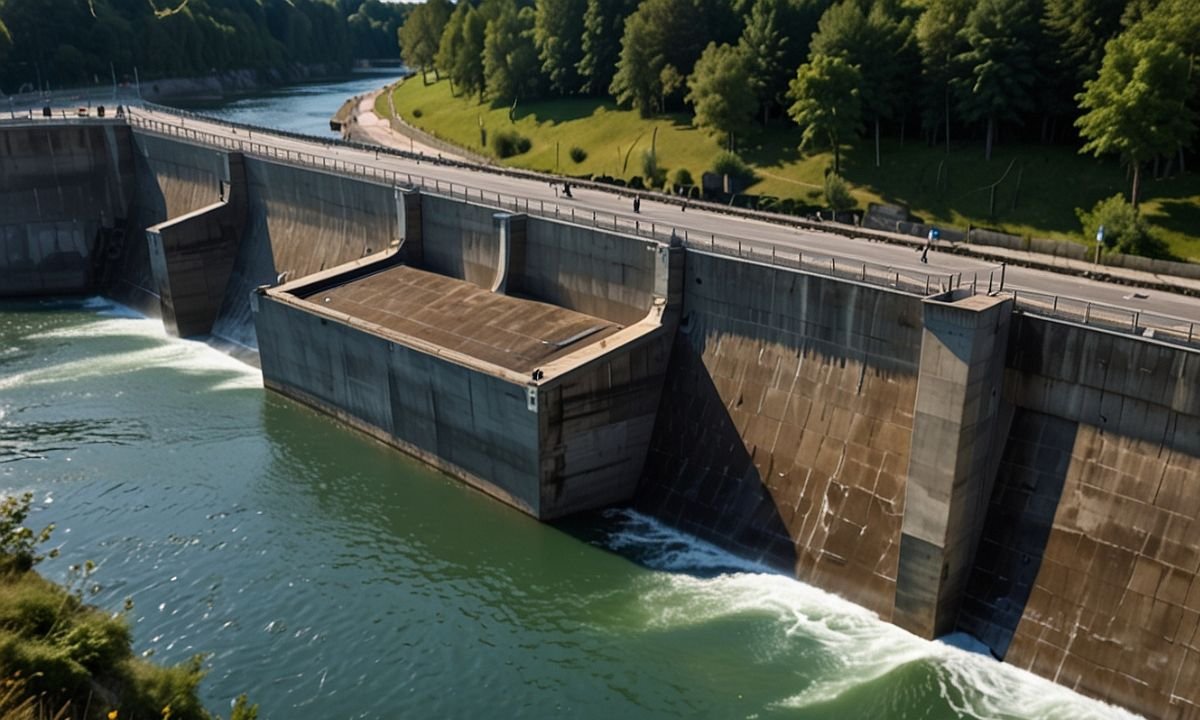
Locks and dams are vital components of our nation’s waterways. They play a pivotal role in facilitating navigation, controlling floods, and ensuring a consistent water supply for adjacent regions. As these essential structures age, there is a growing need to integrate forward-thinking solutions to safeguard their functionality and improve safety. New methods and technologies are helping to redefine how these infrastructures are maintained and upgraded. Visit this page to learn how industry experts are supporting modern waterway operations. As we adapt to the demands of modern commerce and climate, locks and dams must evolve. Technological advancements and material innovations are now central to modernization projects. Maintaining these structures ensures continued economic progress and environmental security for local communities and the nation at large.
Advancements in Lock and Dam Technology
The past decade has witnessed technological advances that have enhanced the capabilities of locks and dams. Agencies such as the U.S. Army Corps of Engineers are leading modernization projects, shifting from traditional manual systems to sophisticated digital platforms. These initiatives improve operational precision and reliability, enabling streamlined responses to changing water levels and vessel traffic. This digital transition not only facilitates smoother navigation but also reduces the risk of human error, ensuring a steady, safe waterway. Such efficiency gains are critical as waterways are increasingly relied upon for major commercial transport, especially with the rise in freight movement across river systems.
Remote Operations and Automation
Remote operation has quickly emerged as a solution that brings efficiency and control to multiple lock and dam sites from centralized command centers. This approach streamlines staffing needs, reduces personnel exposure to hazardous conditions, and enables rapid responses to operational challenges such as lock malfunctions or changing river conditions. Automation further amplifies these benefits. Whether opening and closing gates or adjusting water levels, automated systems can perform essential functions precisely and consistently, regardless of the hour or weather. Remote and automated systems have proven particularly valuable in emergencies, increasing both safety and uptime across various districts operated by the U.S. Army Corps of Engineers.
Use of Advanced Materials
Another major innovation reshaping the future of locks and dams is the adoption of cutting-edge materials. Engineers are now using self-healing concrete, which can autonomously repair cracks formed over time, and geosynthetics, which help prevent soil erosion and water seepage. These materials extend the lifespan of existing structures, reduce maintenance expenses, and minimize disruptions from repairs and upkeep. This approach is especially crucial for structures exposed to extreme weather or to regular abrasion from waterborne debris. Studies have shown that advanced material applications can result in significant long-term cost savings while enhancing structural resilience. For more details on innovative civil engineering materials, visit this overview by the American Society of Civil Engineers.
Case Study: Montgomery Locks and Dam Improvement
The Montgomery Locks and Dam project is a flagship example of how targeted upgrades can multiply the efficiency and capacity of the nation’s waterway infrastructure. This project doubled the size of the lock chamber, allowing more and larger commercial vessels to pass through each day. The result is enhanced commerce movement along the Ohio River and a noticeable reduction in shipping bottlenecks.
By focusing on strategic enhancements aligned with increased transportation demand, the Montgomery project demonstrates the wide-reaching effects of modernization, not just for industry but also for local and regional economies reliant on reliable waterway systems.
Challenges in Modernization Efforts
Despite the technological promise, projects to modernize locks and dams often run into hurdles. Escalating costs and prolonged timelines are common, often due to complex permitting processes, unpredictable river conditions, and the sheer scale of some upgrades. The Waterways Council Inc. released a study detailing the prevalence and causes of these challenges, which include delays in funding and logistical planning. Addressing these issues requires transparent project management, improved delivery models, and a commitment to sustained investment from both public and private sectors. Thoughtful approaches can keep modernization initiatives on schedule and on budget, which is essential in an era where reliability is paramount. The Congressional Research Service provides in-depth insights from similar large-scale infrastructure modernization efforts.
Collaborative Approaches to Modernization
Solutions to modernization challenges often come from collaborative efforts. Bringing together federal agencies, private industry experts, and local community stakeholders ensures that upgrade strategies are both technologically sound and community-focused. This level of engagement fosters long-term support for projects, optimizes designs for various conditions, and secures more robust funding streams.
The most successful modernization projects are those that balance technological advancements with the needs and concerns of the people and businesses who depend on these waterways for economic opportunity and safety.
Conclusion
The modernization of locks and dams is more than an infrastructure concern; it is a matter of national resilience and economic vitality. By embracing innovative technologies, advanced materials, and collaborative partnerships, stakeholders can secure the future of the nation’s waterways. These efforts will ensure that critical water infrastructure remains reliable and sustainable, keeping pace with the demands of a modern, growing economy.
 Decor Drip