
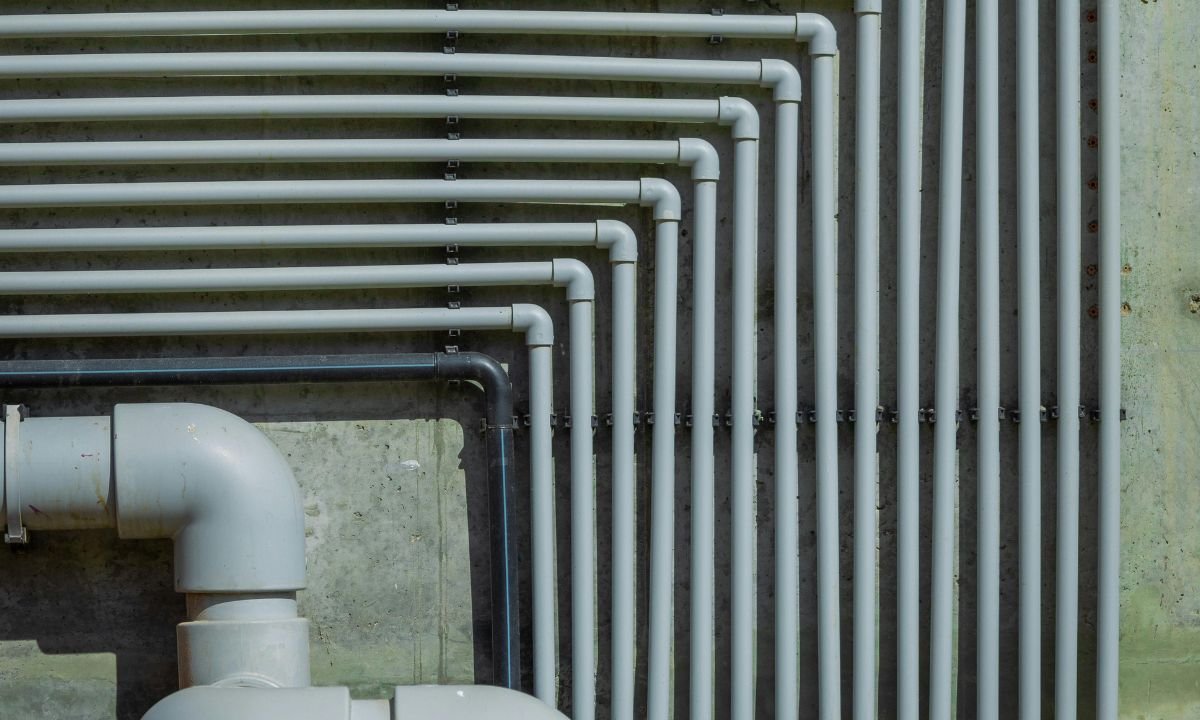
Imagine waking up to a flooded basement after a heavy rainstorm, or discovering a slow leak that has quietly damaged your walls for months. These nightmares highlight why homeowners and property managers are turning to modern solutions. In plumbing: describe the advanced sanitation and drainage systems, experts focus on engineered networks that supply clean water, remove wastewater safely, prevent contamination, and protect your property. These systems blend smart technology, durable materials, and eco-friendly designs to boost efficiency while safeguarding health and the environment. Whether you are upgrading an older home, managing a multi-unit building, or studying entry-level plumbing, understanding these innovations helps you make informed choices that save money and prevent costly repairs.
What Are Advanced Sanitation and Drainage Systems?
Advanced sanitation and drainage systems go far beyond basic pipes and gravity flow. They form a complete network that handles potable water supply, soil and waste removal, and stormwater management while integrating features like backflow prevention and real-time monitoring. Unlike traditional setups that waited for problems to appear, today’s systems emphasize proactive protection through high-efficiency plumbing fixtures, smart sensors, and sustainable reuse options.
These systems protect public health by quickly moving waste away from living spaces and blocking sewer gases or contaminants from entering your home. They also reduce water waste, lower energy bills, and adapt to modern challenges like climate-driven flooding or urban density. For residential use, they often combine gravity drainage with pressurized elements and vacuum assists for reliable performance even in basements or low-lying areas.
Key Components of Modern Sanitation Systems
Sanitation systems focus on hygiene and safe waste handling. At their core are soil and waste pipes, which carry used water from toilets, sinks, and showers to the main sewer or septic tank. These pipes use smooth interiors and precise slopes (usually 1/4 inch per foot) to prevent solids from sticking and causing clogs.
Anti-siphonage systems, also known as venting networks, play a critical role. Vents release trapped air and sewer gases while maintaining equal pressure inside pipes. Without proper venting, drains can gurgle, siphon water from traps, or allow odors to seep indoors. Modern vents often include air admittance valves for compact installations in tight remodels.
Potable water systems deliver safe drinking water under controlled pressure. Pressure regulating valves keep flow consistent and prevent bursts, while advanced filtration or treatment units address local water quality issues. Together, these components create a sealed, efficient loop that separates clean supply from waste removal.
High-Efficiency Plumbing Fixtures
Upgrading to high-efficiency plumbing fixtures is one of the easiest ways to modernize. Low-flow toilets, showerheads, and faucets cut water use by up to 30 percent without sacrificing performance. Many now feature sensor activation for touchless operation, which improves hygiene in busy households. These fixtures pair perfectly with advanced drainage to handle reduced water volumes while maintaining strong flow.
Innovative Drainage Solutions for Today’s Homes
Drainage systems manage wastewater and stormwater separately to avoid overload. Here are the standout technologies homeowners and property managers should know.
Backwater Valves: Protection Against Sewage Backflow
Backwater valves act as one-way gates in your sewer line. During heavy rain or municipal overload, they close automatically to stop sewage from reversing into your home. Ideal for basements or homes in flood-prone zones, these valves install in the main drain line and include accessible cleanouts for easy maintenance. Many models now come with alarms that alert you via app when they activate.
Sewage Ejector Pumps: Solving Basement Flooding
For fixtures below the main sewer line, sewage ejector pumps are essential. These compact units collect wastewater in a sealed basin, then pump it upward into the main drain. They prevent standing water and odors while enabling full bathrooms in finished basements. Look for models with automatic float switches and backup batteries for uninterrupted service during power outages.
Trenchless Pipe Repair: No-Dig Modern Fixes
When pipes crack or corrode, trenchless pipe repair restores them without tearing up your yard or driveway. Techniques like pipe relining insert a new liner inside the old pipe, while pipe bursting replaces it entirely from the inside. Repairs take hours instead of days, save thousands in labor and restoration, and extend pipe life by 50 years or more. This method is perfect for older neighborhoods where excavation would disrupt landscaping or driveways.
Smart Technology Transforming Plumbing
Technology now lets you monitor and control your entire system from a smartphone.
Smart leak detectors use sensors to track flow, pressure, and usage patterns. If they spot a sudden spike (like a burst pipe), they shut off the main valve automatically and send alerts. Brands popular in 2026 integrate with home automation hubs for seamless operation.
CCTV drain inspections employ miniature cameras to snake through lines and reveal hidden cracks, roots, or grease buildup. Plumbers review footage in real time, diagnose issues precisely, and avoid unnecessary digging. Routine inspections every few years catch problems early and can lower insurance premiums.
Eco-Friendly Water Reuse in Modern Plumbing
Sustainability drives many upgrades. Greywater recycling collects lightly used water from showers, baths, and laundry, treats it minimally, and redirects it for toilet flushing or landscape irrigation. These systems can cut household water consumption by 30 to 45 percent, easing pressure on municipal supplies and lowering bills. Simple laundry-to-landscape setups require no major plumbing changes, while whole-house versions include filtration and storage tanks.
Many local codes now encourage or require greywater systems in new construction, and rebates are available in water-scarce regions.
The Difference Between Sanitary Plumbing and Storm Drainage
Understanding this distinction prevents costly mistakes. Sanitary plumbing carries wastewater from indoor fixtures to treatment plants where it gets cleaned before release. It must stay sealed to block bacteria and odors.
Storm drainage, by contrast, handles rainwater and surface runoff through separate pipes or open channels that empty untreated into rivers or retention ponds. Never connect a downspout or sump pump to the sanitary line, or you risk overwhelming treatment facilities and causing backups. Proper separation protects waterways and keeps your home dry.
For more on managing outdoor runoff, check our guide How to Grade Your Yard for Proper Drainage.
How Modern Plumbing Prevents Contamination
Advanced systems use multiple layers of defense. Backflow preventers and air gaps stop dirty water from mixing with clean supplies. Sealed piping and proper venting eliminate cross-contamination risks. Smart monitors detect pressure drops that might signal a breach, while high-efficiency fixtures reduce standing water where bacteria thrive.
In practice, these features have cut waterborne illness incidents in upgraded buildings. They also protect property by quickly removing waste and preventing mold from hidden leaks.
Benefits of Advanced Sanitation and Drainage Systems
The advantages are clear and measurable:
- Health protection: Faster waste removal and sealed systems reduce exposure to pathogens.
- Property savings: Early leak detection and trenchless repairs avoid thousands in water damage.
- Water and energy efficiency: Greywater reuse and low-flow fixtures slash utility bills by 20-40 percent.
- Environmental impact: Less strain on treatment plants and cleaner stormwater runoff.
- Increased home value: Buyers pay premiums for smart, sustainable plumbing.
Recent 2026 trends show PEX piping and integrated sensors becoming standard, offering flexibility and corrosion resistance that traditional materials lack.
A Step-by-Step Guide to Upgrading Your System
Ready to modernize? Follow these practical steps:
- Assess your current setup: Hire a licensed plumber for a CCTV inspection to map pipes and identify weak points.
- Prioritize high-impact fixes: Install backwater valves or ejector pumps if flooding is a risk.
- Add smart monitoring: Integrate leak detectors on main lines.
- Incorporate greywater: Start with a simple laundry diverter for quick wins.
- Choose durable materials: Opt for PEX or CPVC during any repiping.
- Schedule regular maintenance: Annual hydro-jetting and inspections keep everything flowing.
- Check local incentives: Many municipalities offer rebates for eco-upgrades.
Expect material costs for a full residential upgrade to range from $5,000 to $15,000, with labor adding 40-60 percent depending on scope. Trenchless repairs often pay for themselves within two to three years through avoided excavation.
Common Pitfalls to Avoid
Skipping professional design leads to undersized vents or improper slopes that cause chronic clogs. Overlooking local codes can void warranties or create code violations during resale. DIY installations of smart systems often miss proper calibration, leading to false alarms. Always verify permits and hire certified contractors for complex work like ejector pump or greywater installs.
Conclusion
Advanced sanitation and drainage systems deliver reliable, efficient, and sustainable plumbing that protects your family, your wallet, and the planet. By embracing backwater valves, greywater recycling, trenchless repairs, smart leak detectors, and more, you stay ahead of problems instead of reacting to them. Whether you tackle a full overhaul or targeted upgrades, these innovations make homes safer and greener.
Ready to upgrade? Contact a licensed plumber today for a free system assessment and discover tailored solutions for your property. Your future self (and your basement) will thank you.
You May Also Like: Modern Plumbing: Advanced Sanitation & Drainage Systems
 Arthur